
There is a specific seasonal shift that happens to indoor air in Hampton Roads every year, and it happens quietly enough that most households do not think about it until they notice a smell that was not really a problem a month earlier. It is the shift from open-window weather to closed-window weather, and it changes what carpet odor does to a house.
Through spring, summer, and early fall, most homes get some amount of fresh air exchange, whether that is windows cracked on a nice evening, doors opening and closing more often, or just a general looser seal on the house during warm months. That air exchange does something carpet owners rarely think about directly: it continuously dilutes whatever odor compounds are sitting in the carpet.
The Dilution Effect Disappears in Winter
Once temperatures drop and windows stay shut for the season, that dilution effect goes away almost entirely. The same amount of odor-causing residue in the carpet — pet dander, old spills, general foot traffic soil, cooking residue that settled into fibers near the kitchen — is still there, but the fresh air that was continuously carrying a portion of it outside is no longer available.
The result is odor that seemed like a minor, easily ignored issue in September can become noticeably stronger by December or January, not because anything new happened to the carpet, but because the house stopped venting it. This is one of the more common complaints professional cleaners hear during winter months — a smell that people describe as coming out of nowhere, when really it had been building quietly under a ventilation system that just shut off for the season.
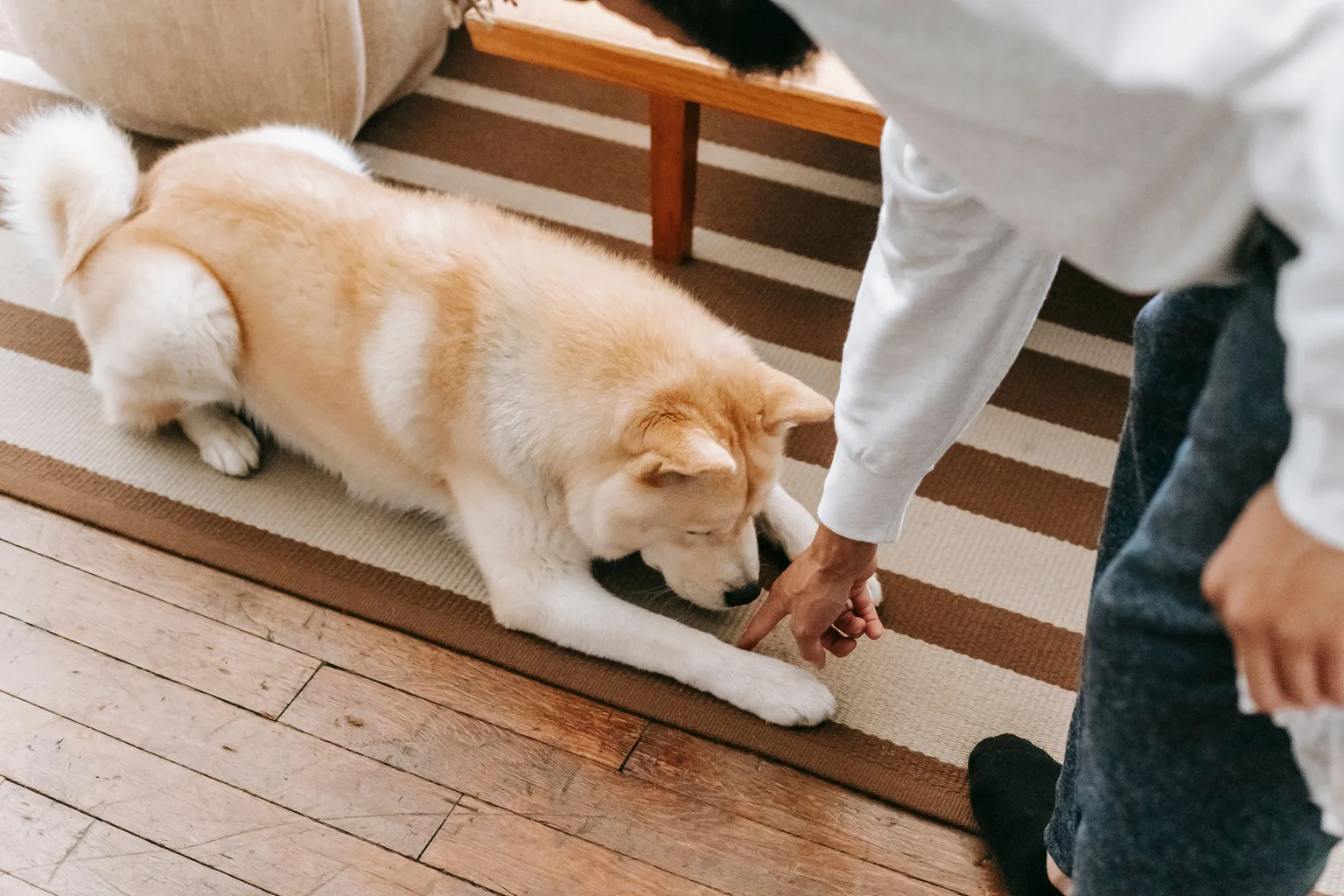
Pet odor is the clearest example. A single accident that got mostly cleaned up in the summer might not have been fully noticeable with windows open regularly. That same residue, once the house seals up, becomes the dominant smell in a room within a few weeks, especially in central heating systems that recirculate the same indoor air repeatedly.
Why Late October Is the Right Window
Late October in Hampton Roads sits at a useful point in the calendar. Temperatures are typically still mild enough to open windows for a stretch during and after a carpet cleaning, which speeds drying and lets fresh air do the last bit of work that a closed-up house cannot do in January. Heating season has not fully arrived yet for most households, so there is still time to address odor before the sealed-window months set in.
Waiting until December or January to deal with the same issue means doing the work without the ventilation advantage, and it usually means living with a worsening smell for the weeks in between while the problem quietly compounds. Treating late October as a deadline rather than a suggestion is the practical way to think about it.
This is also, not coincidentally, the same stretch when humidity levels in the region are dropping from their summer peak, which affects carpet differently than most people expect.
Masking Odor Versus Removing It
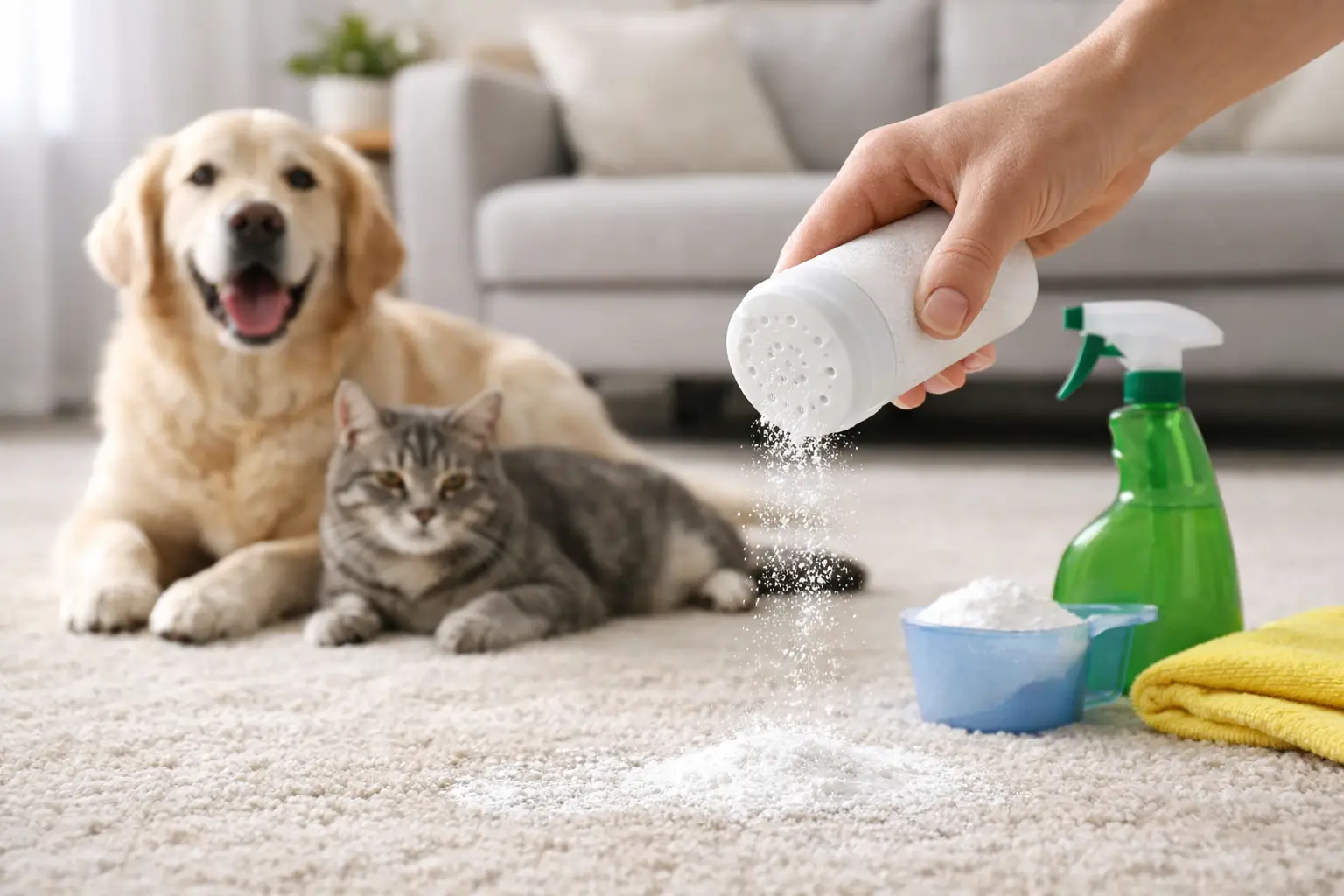
A lot of odor management in households defaults to masking — carpet powders, plug-in air fresheners, scented sprays — and these products have a place, but they are working on the air in the room, not the source sitting in the carpet fiber, pad, and backing where odor-causing residue actually lives.
Masking products work reasonably well when there is still some air exchange helping dilute the underlying problem. Once winter removes that air exchange, masking products have to work much harder to cover the same smell, and most households notice they are reapplying air freshener more often through winter without the underlying odor actually improving.
Actually removing odor at the source generally requires treating it below the carpet surface — not just the visible fiber, but the pad underneath, which absorbs and holds odor compounds longer than the fiber itself does. A surface-level cleaning that skips this step often produces a carpet that smells fine for a week or two before the odor reasserts itself, which is a common frustration with DIY approaches to pet odor specifically.
What Professional Deodorizing Actually Does
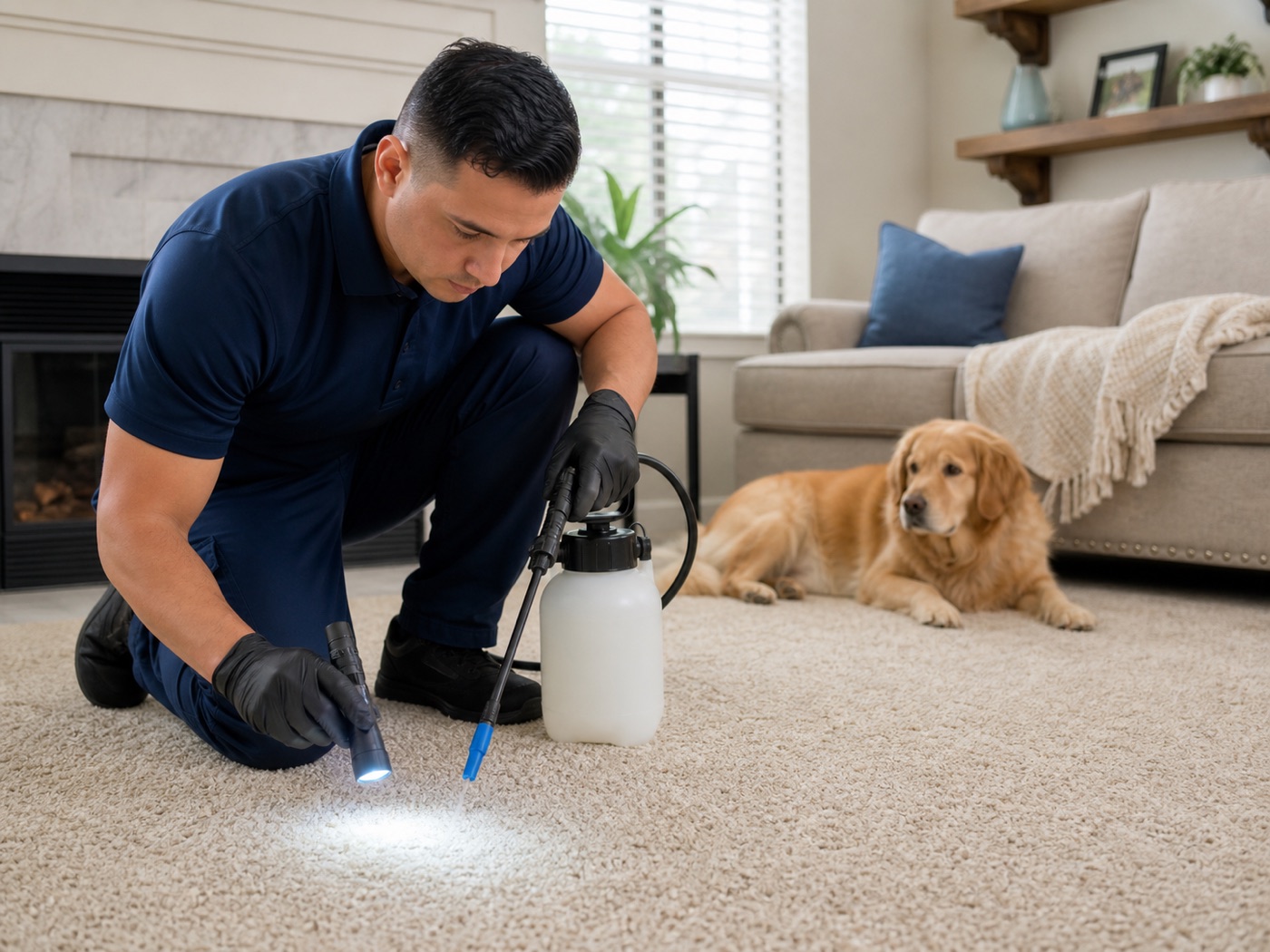
Professional odor treatment for carpet typically combines deep extraction to physically remove as much of the residue as possible with an enzymatic or oxidizing treatment that breaks down the specific compounds causing the smell, rather than covering them with a competing scent.
For pet-related odor specifically, this often means treating both the visible fiber and, where urine has soaked through, the pad and subfloor underneath, since a treatment that only reaches the surface fiber leaves the deeper source untouched and the odor eventually works its way back up.
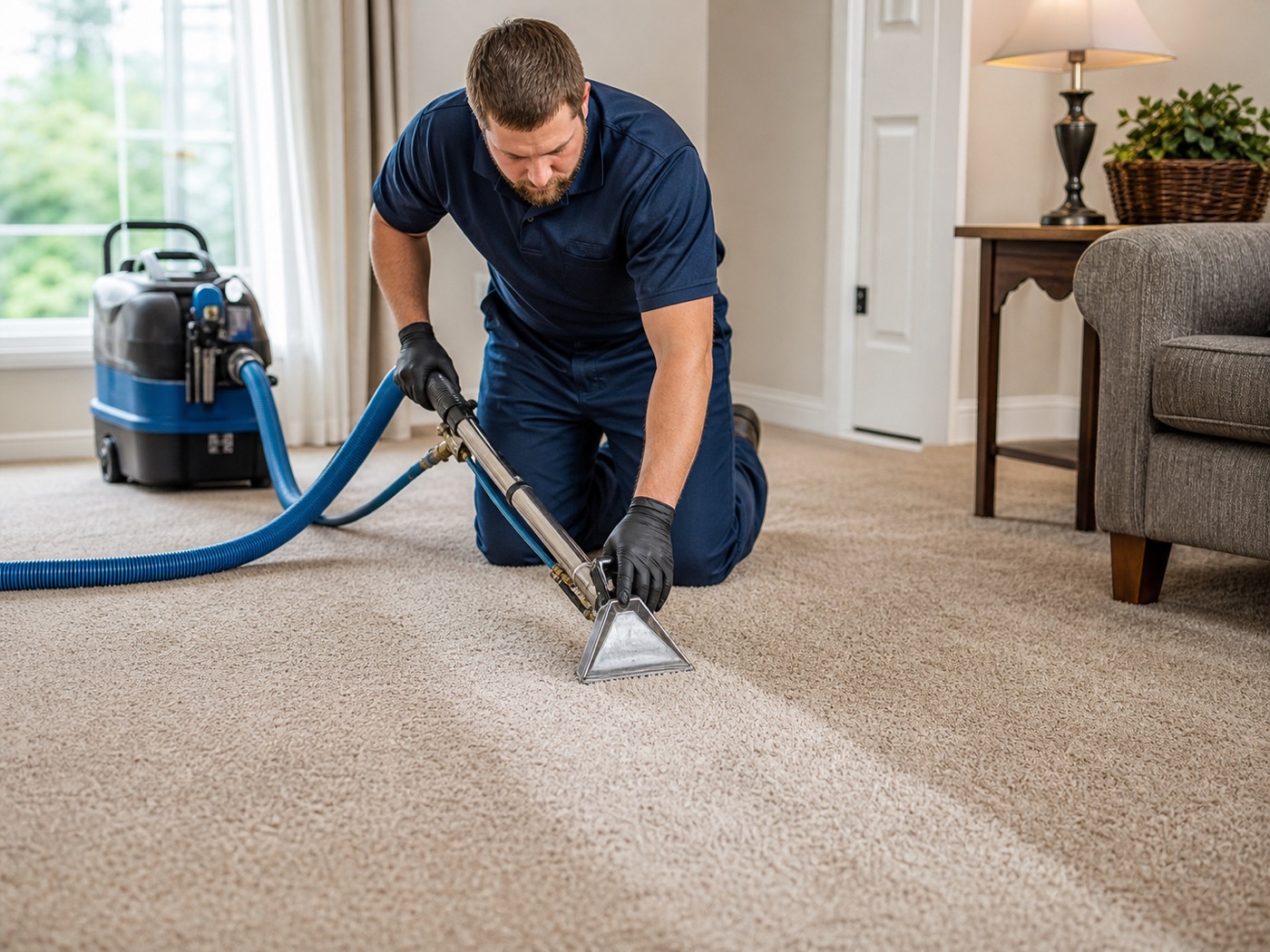
General household odor — cooking residue, general staleness in a room that does not get much airflow, mustiness in a room near an exterior wall — responds well to a thorough hot water extraction cleaning paired with an odor-neutralizing rinse, which addresses the broader buildup rather than a single isolated source.
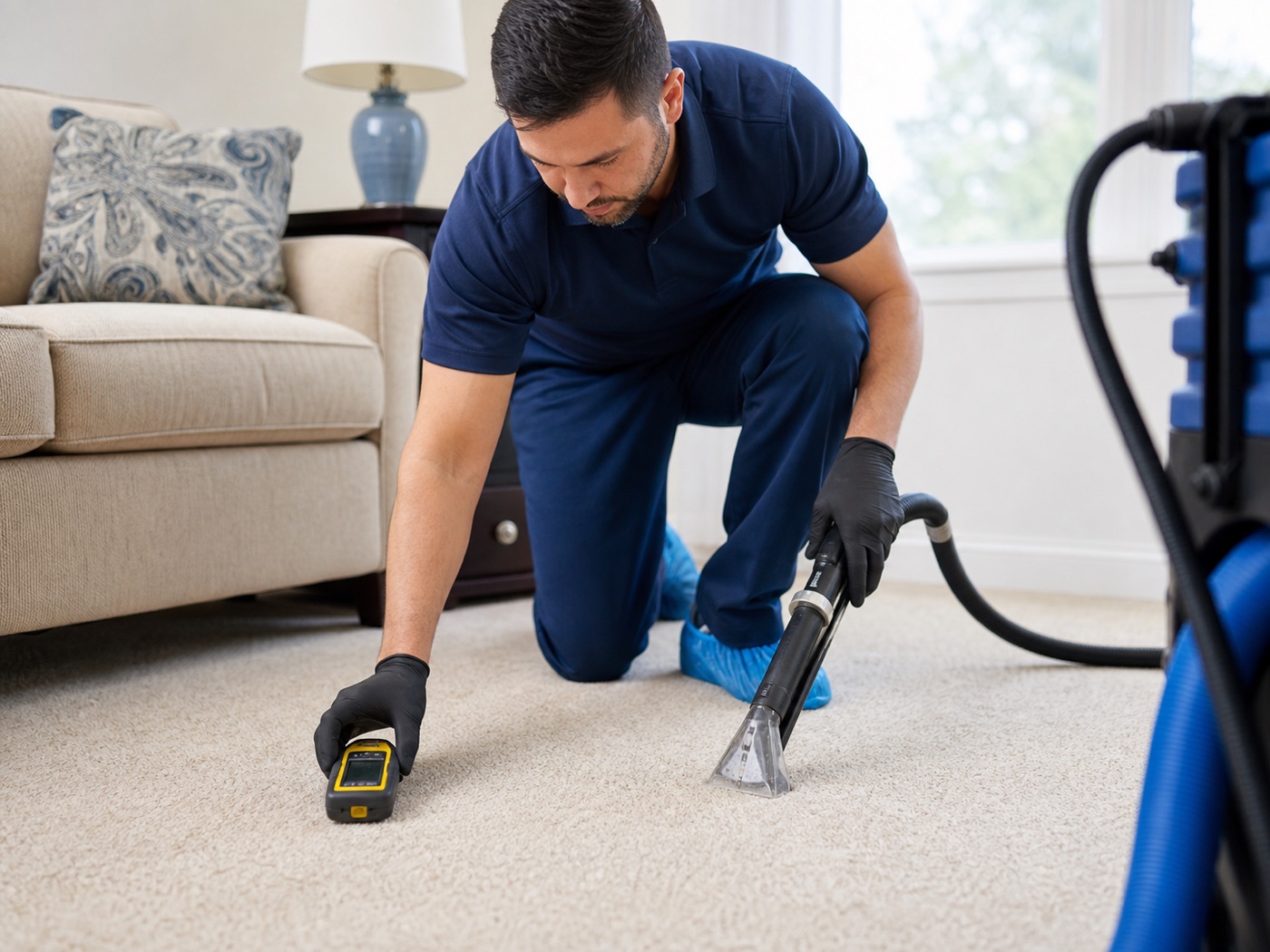
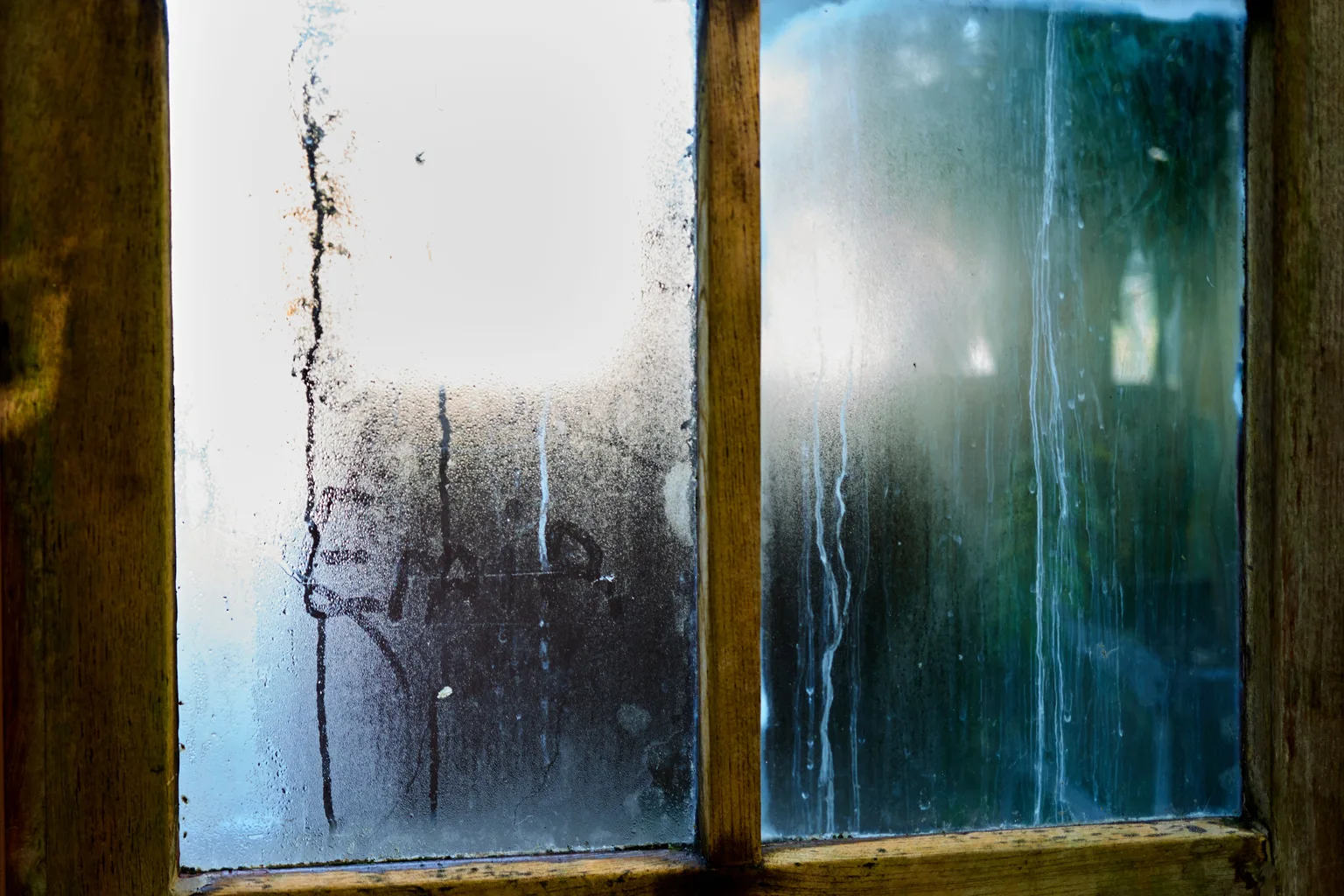
A moisture-related musty smell is worth distinguishing from a pet or general soil odor before treatment, because the fix is different. Musty odor tied to humidity or a damp subfloor needs the underlying moisture addressed first, or any deodorizing treatment applied on top of it will only mask the problem for a short while before it returns, often worse than before, once the closed-up winter house starts trapping humidity the same way it traps odor.
Rooms That Need the Most Attention Before Winter
Not every room carries the same odor risk heading into a closed-window winter. Living rooms and family rooms where pets spend the most time, entryways that track in outdoor debris, and any room near the kitchen that picks up cooking residue over time are the areas worth prioritizing if a whole-house treatment is not in the budget right now.
Bedrooms tend to carry less odor risk simply because they see less traffic and fewer spills, though a bedroom shared with a pet that sleeps on the carpet is an exception worth checking specifically. Walking each room with the windows briefly closed, even for just a few minutes, is a reasonably effective way to identify which rooms actually need attention before committing to a whole-house appointment.
Scheduling It Before the Season Shifts
Booking odor treatment in the last week or two of October, rather than waiting for a smell to become impossible to ignore in the dead of winter, has a practical scheduling advantage too — cleaning companies tend to see steadier demand through this stretch than the compressed rush right before major holidays, which usually means more flexible appointment availability.
- Address odor while windows can still be opened to speed drying and air exchange
- Treat pad and backing, not just visible fiber, for pet-related odor
- Pair deep extraction with an odor-neutralizing treatment rather than a masking spray
- Schedule before the heaviest holiday-season demand for cleaning appointments
It is also worth doing this as a household, not just a spot fix in one room. Odor compounds do not stay neatly contained to the room where they originate once central heating starts circulating the same air throughout the house repeatedly all winter, which means a single untreated odor source can end up affecting how the whole house smells by January, not just the room where the problem started.
Households that treat this as an annual pre-winter task, the same way they might treat gutter cleaning or a furnace inspection, tend to avoid the worst version of this problem entirely. It becomes routine maintenance rather than a crisis response to a smell that has already become the first thing visitors notice when they walk in the door, which is a far more comfortable position to be in once the holiday hosting season arrives and guests are in the house regularly.
All City Carpet Cleaning And Building Solutions provides odor treatment and deep carpet cleaning across Virginia Beach, Norfolk, Chesapeake, Suffolk, Hampton, Portsmouth, and Smithfield, with straightforward pricing available before you book.