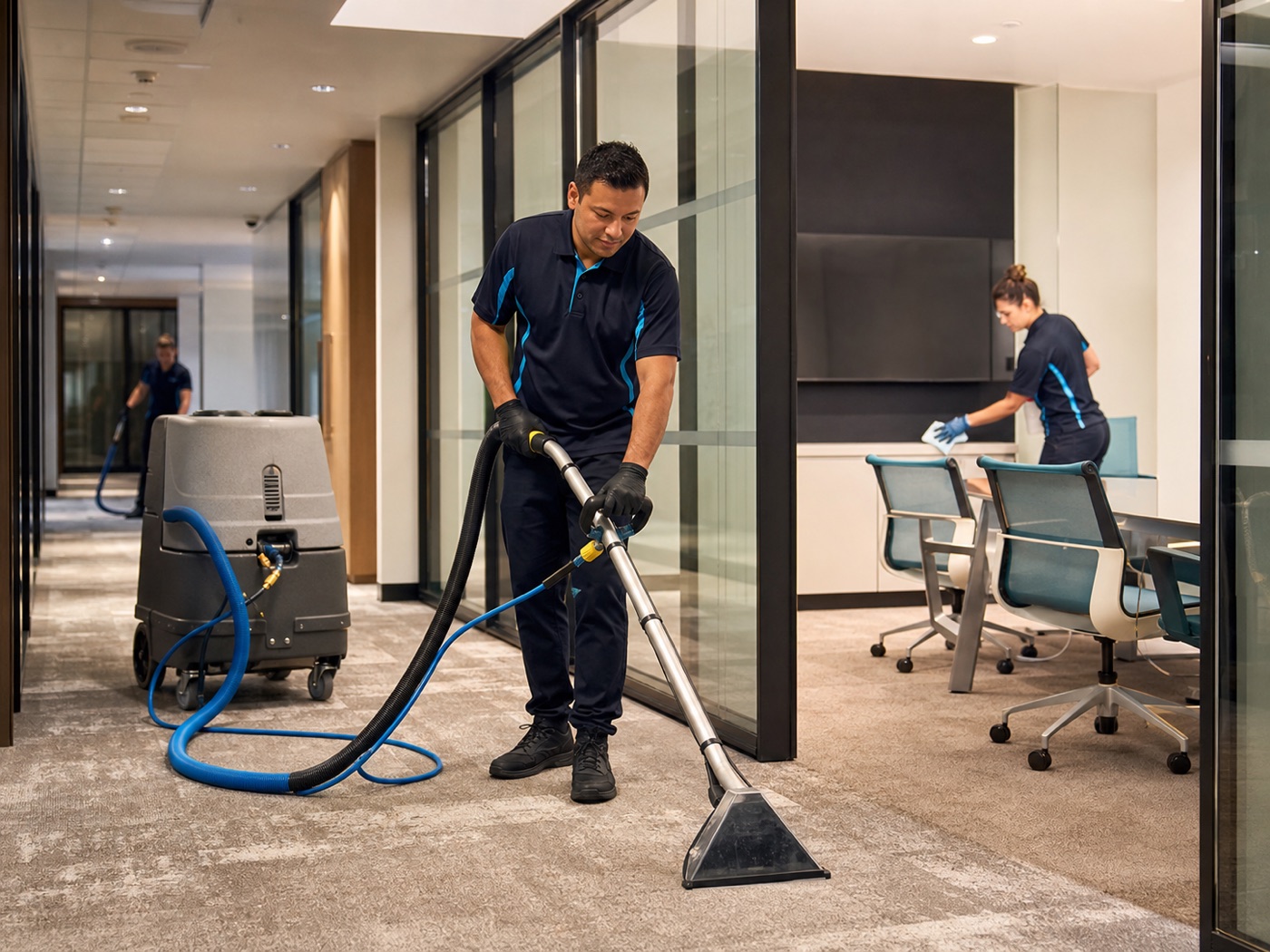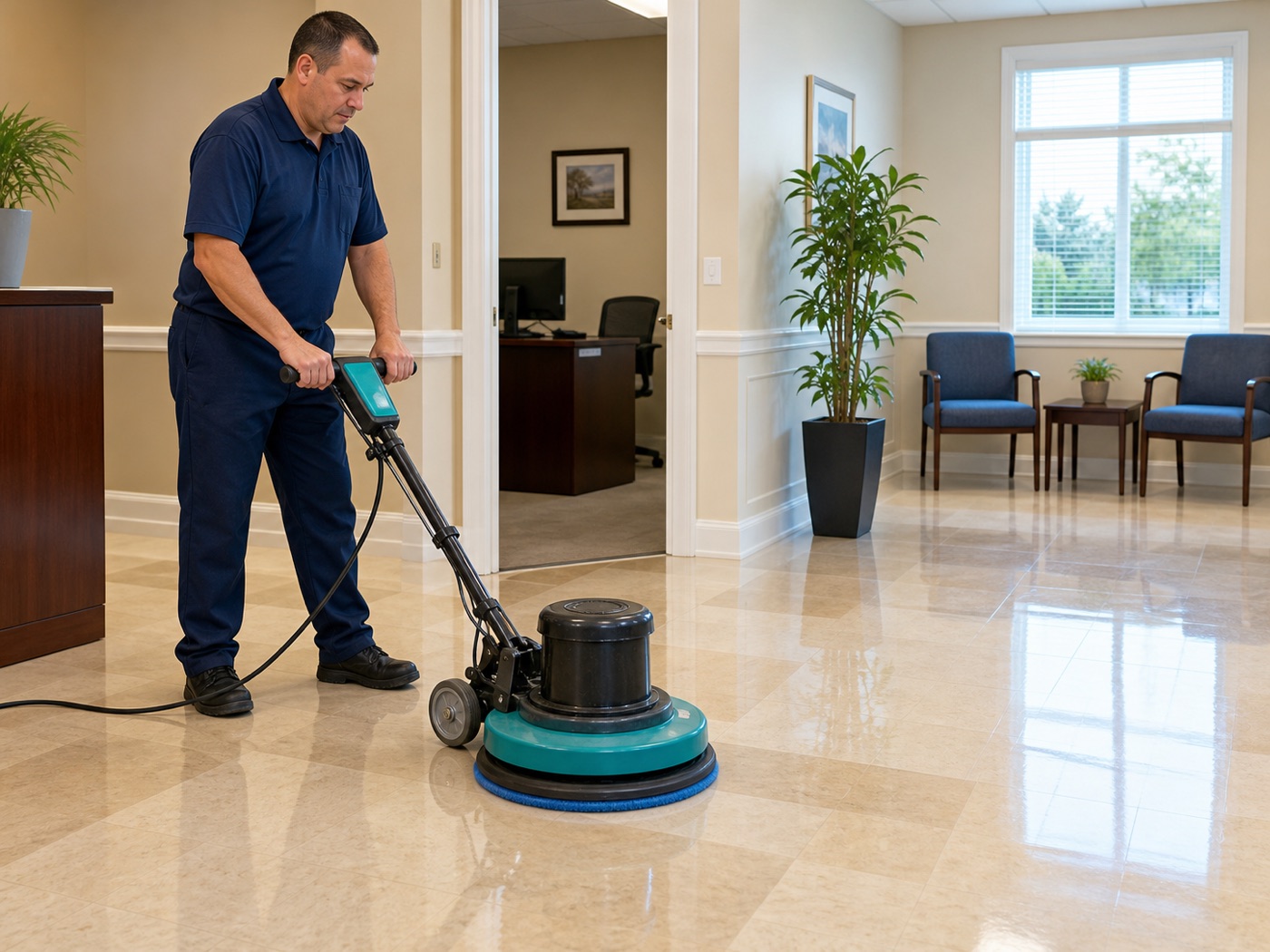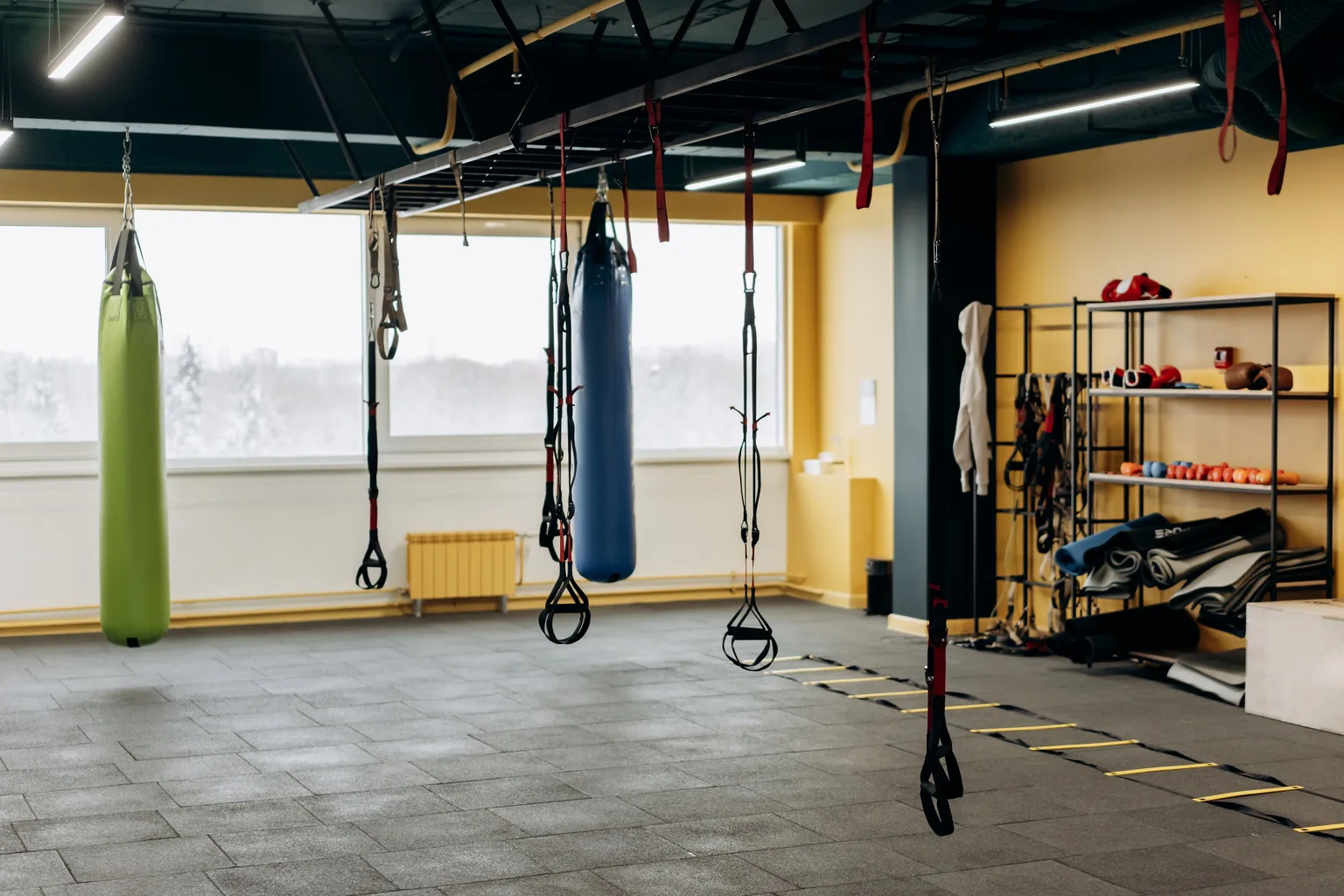
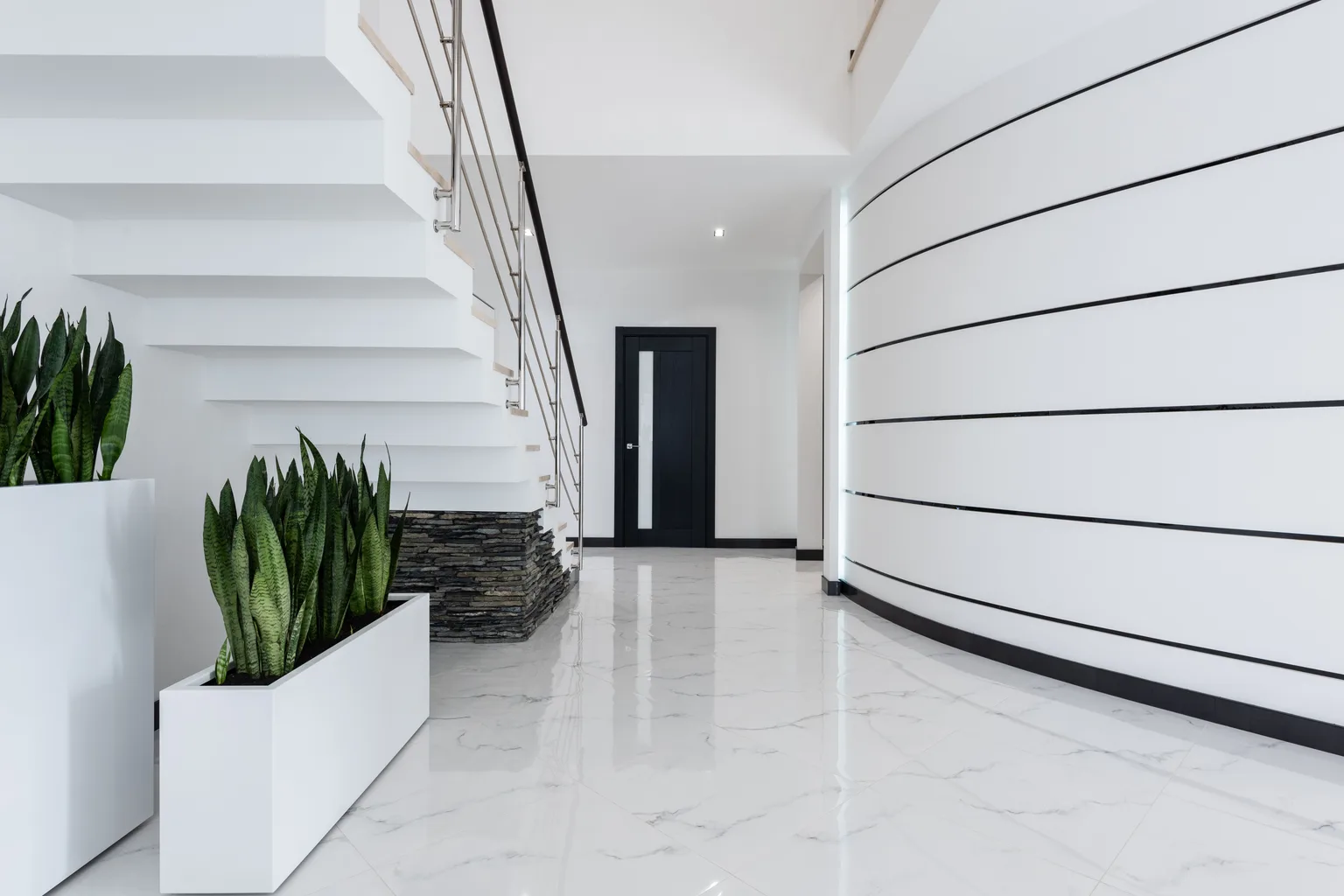
Community associations in Hampton Roads own a surprising amount of flooring. Clubhouse great rooms, corridors, elevator lobbies, fitness rooms, pool baths, stairwells, mail areas, and meeting rooms — all of it shared, all of it on the association's balance sheet, and most of it maintained reactively.
The reactive pattern is familiar to anyone who has sat through a board meeting. Nothing happens for three years, someone complains about the corridor carpet, an emergency cleaning is approved, and two years later the carpet is replaced at full cost because it was never maintained. The alternative is not complicated, it is just unglamorous.
Floors Are a Reserve Asset
The most useful reframe for a board is that common area flooring is not a housekeeping expense. It is a capital asset with a defined useful life sitting in the reserve study alongside the roof and the pool deck.
Commercial-grade corridor carpet has a service life that assumes maintenance. Left unmaintained in a coastal building, it reaches the end of its appearance life well before the end of its structural life, which means the association replaces a carpet that still had years of fiber left in it.
What kills it is abrasion. Quartz sand tracked in from parking lots, pool decks, and beaches works down into the pile and cuts the yarn under every footstep. A cleaning program removes that material on a schedule; without one it accumulates continuously. This is the same mechanism that shortens carpet life in every building in this region, just concentrated into corridors that never rest.
Put in budget terms: an annual maintenance line is a small recurring number against a large replacement number that arrives years earlier without it. Boards respond well to that arithmetic when it is presented as life extension rather than as cleaning.
Not Every Area Needs the Same Schedule
The most common mistake in association floor care is buying one annual whole-property cleaning. It overspends on the meeting room nobody uses and underspends on the entry that takes everything.
| Area | Traffic and risk | Typical cycle |
|---|---|---|
| Main entry and elevator lobby | All outdoor soil arrives here | Quarterly |
| Corridors | Constant, concentrated in lanes | Two to four times a year |
| Clubhouse great room | Event-driven, food and drink | Twice a year plus after events |
| Fitness room | Sweat, body oil, rubber dust | Quarterly, monthly if heavily used |
| Pool bath and locker areas | Moisture, sand, bare feet | Monthly in season |
| Stairwells | Hard to clean, heavily used | Twice a year |
| Meeting and business center | Light | Annually |
Reallocating the same budget along those lines usually produces a visibly better property for the same money, because the areas residents and prospective buyers actually see get the attention. The meeting room can wait.
The Pool Bath Problem
Pool bathrooms and locker areas are the highest-risk floors any association owns, and they are almost always under-maintained relative to that risk.
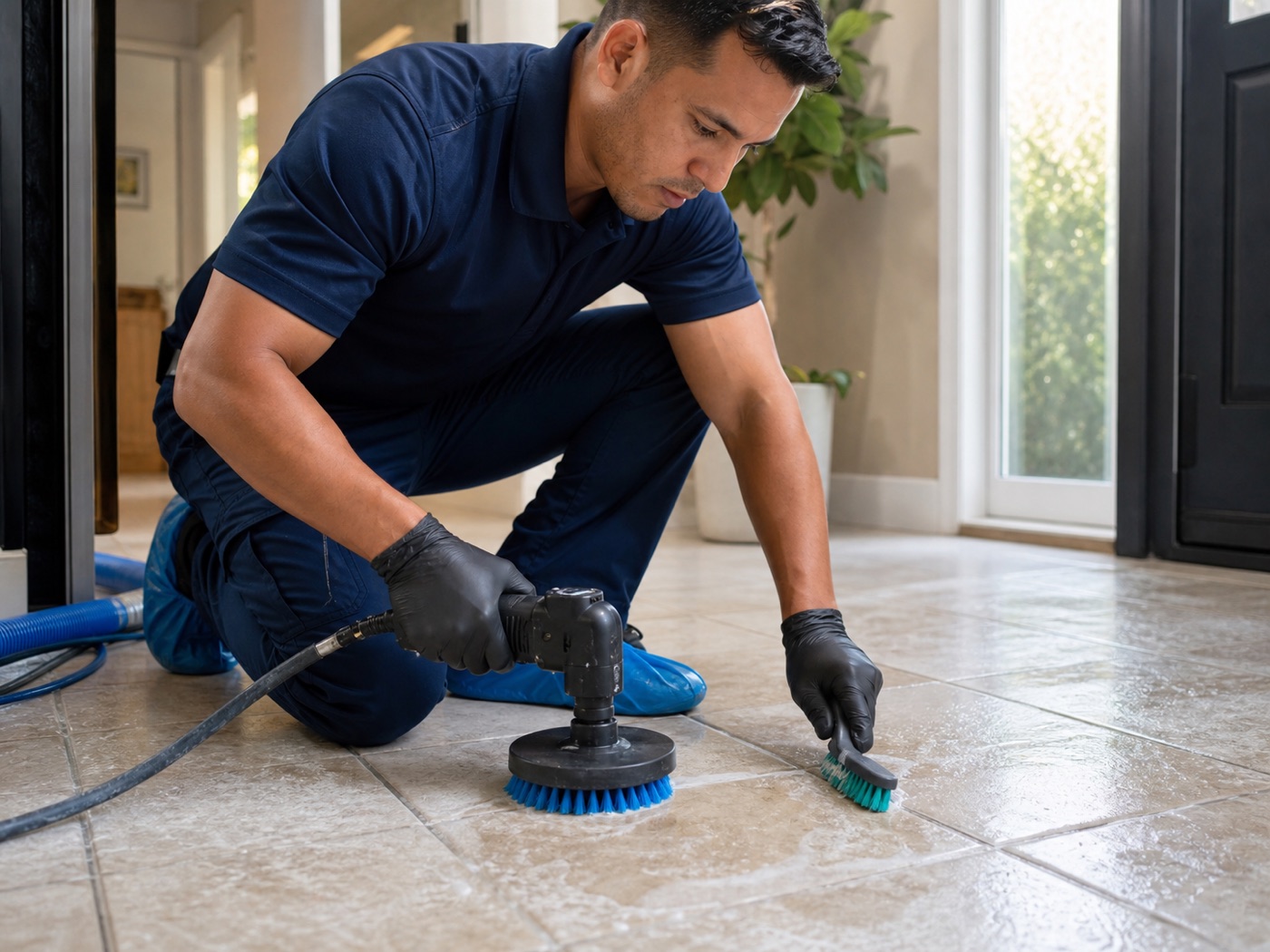
The combination is bad by design: constant moisture, bare feet, sand, sunscreen, and a season of heavy use compressed into a few months. Grout is porous unless it has been sealed, and sealer is a consumable that breaks down under exactly these conditions within a year or two.
Once the sealer is gone the grout absorbs everything, darkens, and holds odor, and daily mopping makes it worse rather than better — a mop moves dirty water into the grout lines and leaves it there. The reset is mechanical: degreaser with dwell time, agitation, pressure rinse with immediate extraction, then reseal.
Scheduling that at the start and end of pool season, with monthly maintenance in between, keeps a pool bath in a condition residents will not complain about. It is a small line item with an outsized effect on how the amenity is perceived.
What Makes a Plan Pass a Board
Property managers know the real obstacle is rarely the money. It is getting a decision made by a volunteer board with limited meeting time.
Proposals that pass tend to share a shape. They are written as an annual schedule rather than a quote for one job, so the board approves a plan once rather than five times. They carry fixed per-visit pricing, so there is no open-ended exposure. They separate routine work from restorative work, so the board can phase the expensive items across two fiscal years if it needs to.
It also helps to attach the plan to something the board already cares about. Resale appeal, insurance or liability considerations in wet areas, and the reserve study line for flooring are all more compelling than aesthetics alone. Community facilities of every kind face the same budgeting dynamic, and the argument that works is consistently the life-extension one.
Finally, keep the vendor relationship simple. One contractor handling carpet, tile, and hard surface across the whole property means one schedule, one invoice format, and one point of contact when a resident reports something.
The Clubhouse After an Event
Clubhouse great rooms have a usage pattern nothing else in the property shares. They sit empty for a week and then take sixty people, catered food, and drinks in a single evening.
That means the schedule for a clubhouse should be event-driven rather than calendar-driven. A standing twice-a-year cleaning plus a spot response after large events is more effective than four evenly spaced visits, because the soil arrives in bursts and the damage from a red wine spill depends entirely on how long it sits.
Associations that rent the clubhouse to residents for private events should build the cleaning expectation into the rental agreement, the way a landlord builds it into a lease. A refundable cleaning deposit with a stated standard settles the question before it becomes an argument at the next board meeting.
It is also worth keeping a small kit in the clubhouse closet: white towels, a container of cornstarch for oily spills, and written instructions to blot rather than rub and to call before applying anything else. Most permanent clubhouse stains are created by a well-meaning resident with a bottle of spot cleaner in the twenty minutes after a spill.
Matting Is the Cheapest Line Item
Before any cleaning schedule, there is a smaller investment with a better return, and most associations in this region have let it lapse.
Walk-off matting at every entrance — outside and inside, long enough for three or four full steps — captures a large share of the sand and soil that would otherwise reach the corridor carpet. Commercial buildings have known this for decades. Most residential associations have a decorative mat by the door that accomplishes very little.
Properties near the water should treat this as a requirement rather than an upgrade. A beachfront or bayfront community with inadequate matting will spend more on carpet cleaning and replace its corridor carpet years earlier than an identical property a few miles inland.
The pool deck entrance deserves particular attention, because that is where sand, water, and sunscreen all arrive together, and it usually leads directly onto whatever the association's most expensive flooring is.
Scheduling Around Residents
The practical constraint in community association work is that residents live there, so there is no closing time.
Zoning solves most of it. One corridor or one amenity at a time, with notice posted a few days ahead, keeps disruption to a few hours in a small area rather than a day across the property. Low-moisture methods return a floor to service within about an hour, which is often the right choice for corridors and fitness rooms where closure is the real cost.
Timing matters seasonally too. Fall is the best window in Hampton Roads for restorative work: the pool season has ended, drying conditions are the best of the year, and the property has a few months before the holidays bring visitors through. A plan that puts the heavy work in October runs more smoothly than one that puts it in July.
All City Carpet Cleaning And Building Solutions works with community associations and property managers throughout Virginia Beach, Norfolk, Chesapeake, Suffolk, Hampton, Portsmouth, and Smithfield, handling carpet, tile, and hard surface on one schedule.