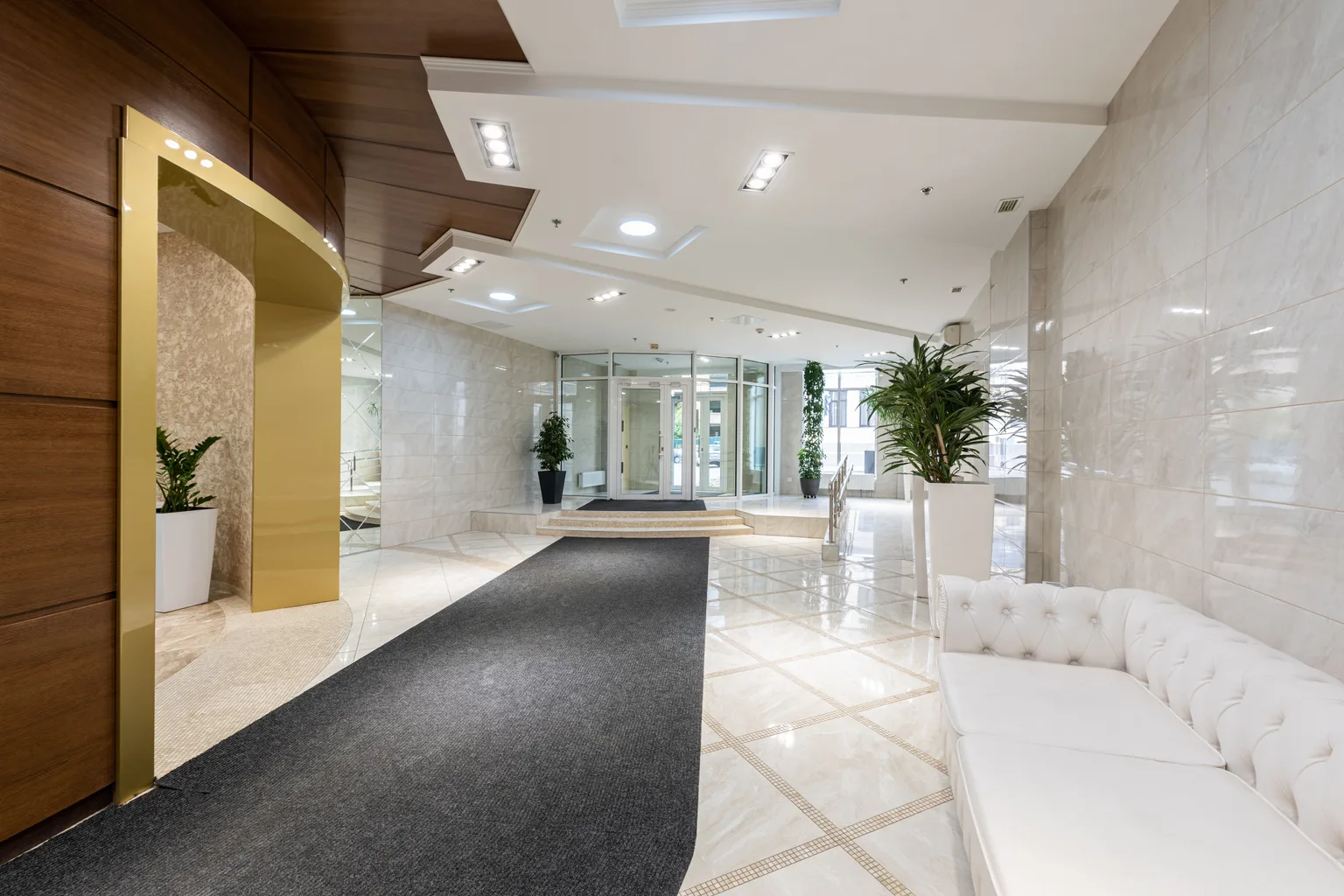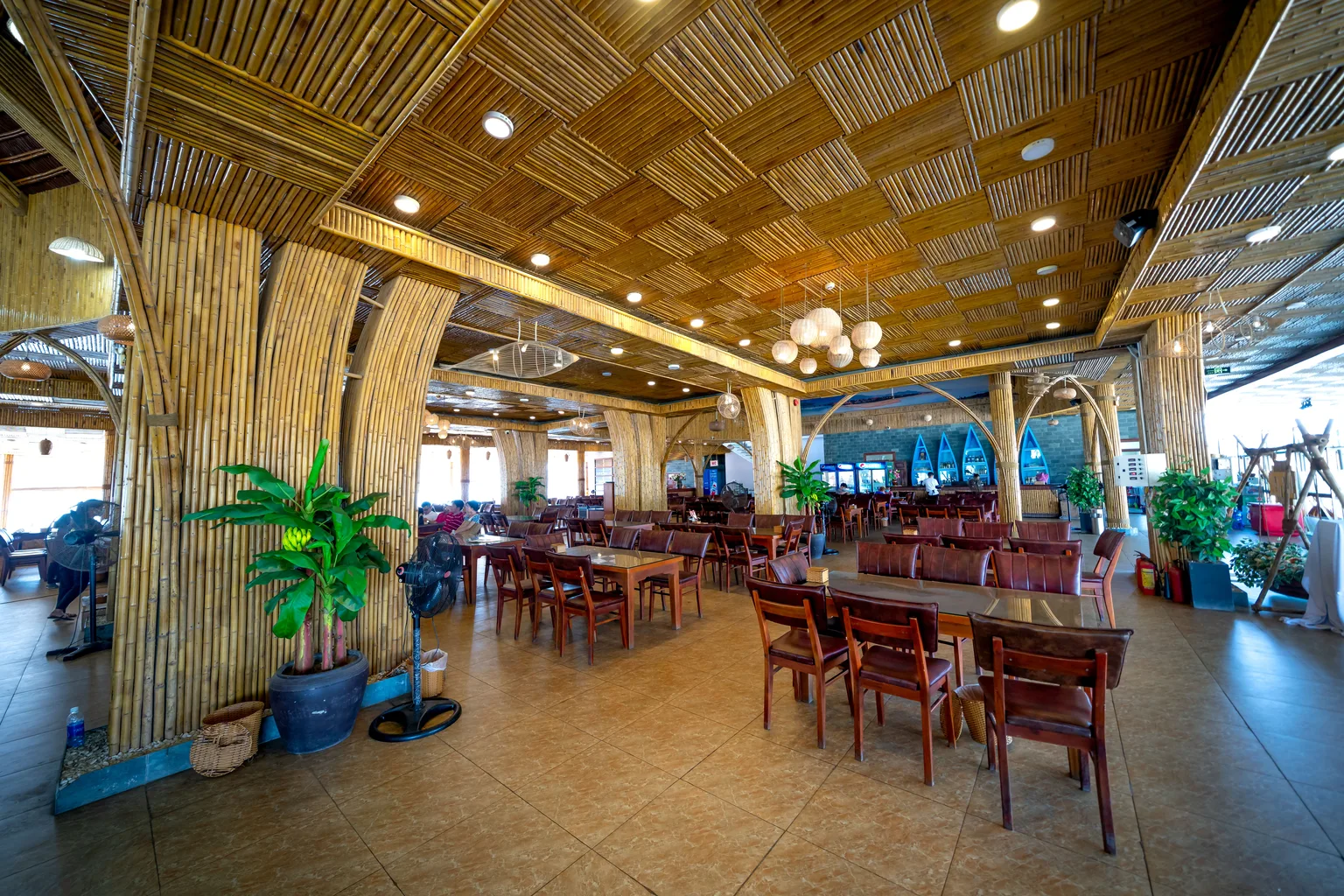
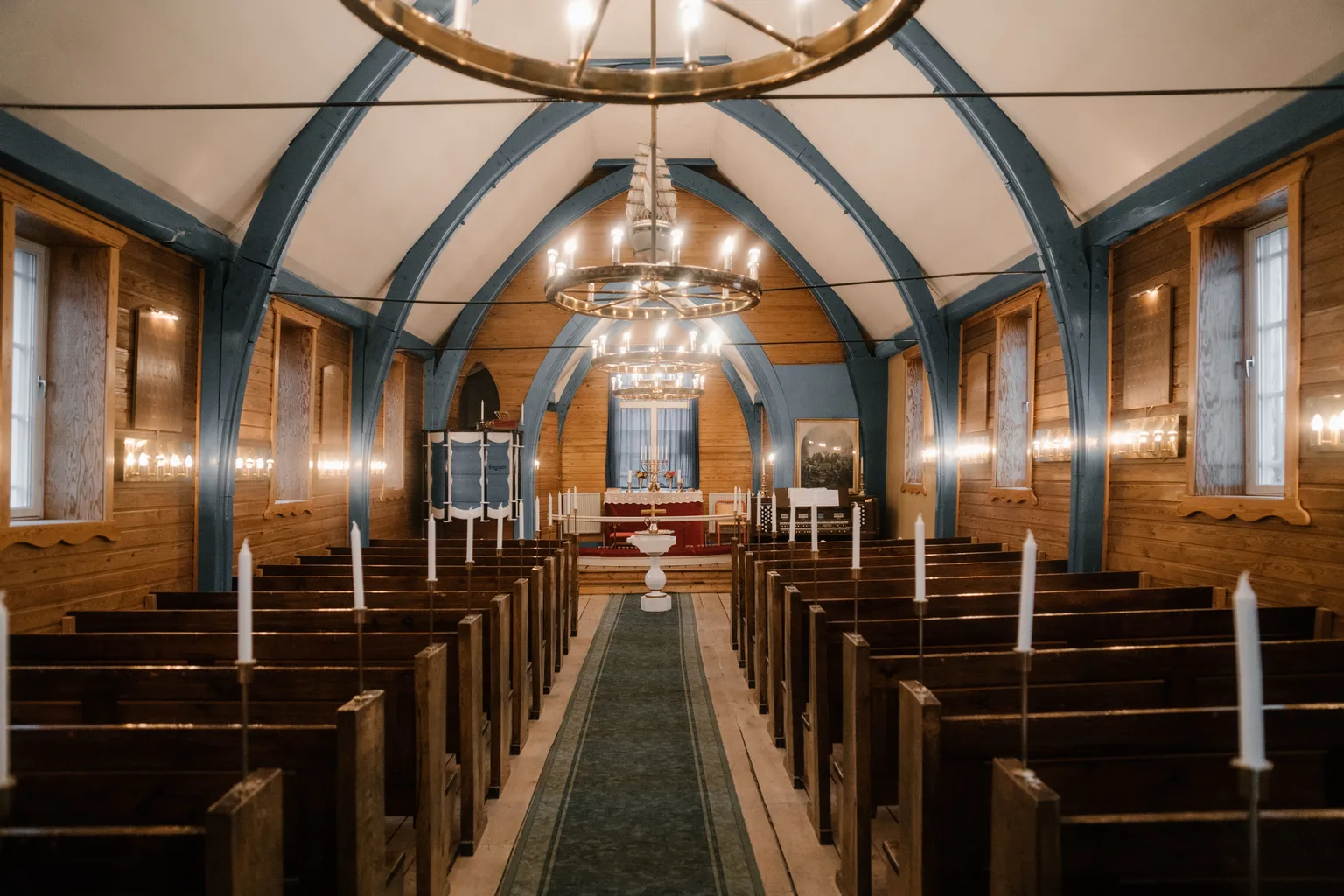
Churches, schools, and community buildings across Hampton Roads share a set of constraints that commercial offices do not. The building has to be available on a fixed schedule that cannot move. The budget is real and usually tight. A meaningful share of the maintenance is done by volunteers or by a small staff wearing several hats. And the floors themselves are often a patchwork accumulated over decades of additions and renovations.
That combination makes floor care a planning exercise. The cleaning is not complicated; fitting it into the year is.
The Calendar Picks the Dates
Start with the year rather than the floors. Every facility of this kind has weeks where the building is genuinely empty, and those weeks are the only time deep work is possible without compromise.
Schools have summer break and the winter holidays, and summer is the obvious window for anything involving floor finish or extended drying. Churches often have a quiet stretch in mid-January and again in late summer before the fall program year starts. Community halls run on their booking calendar, and the gaps are wherever the gaps are.
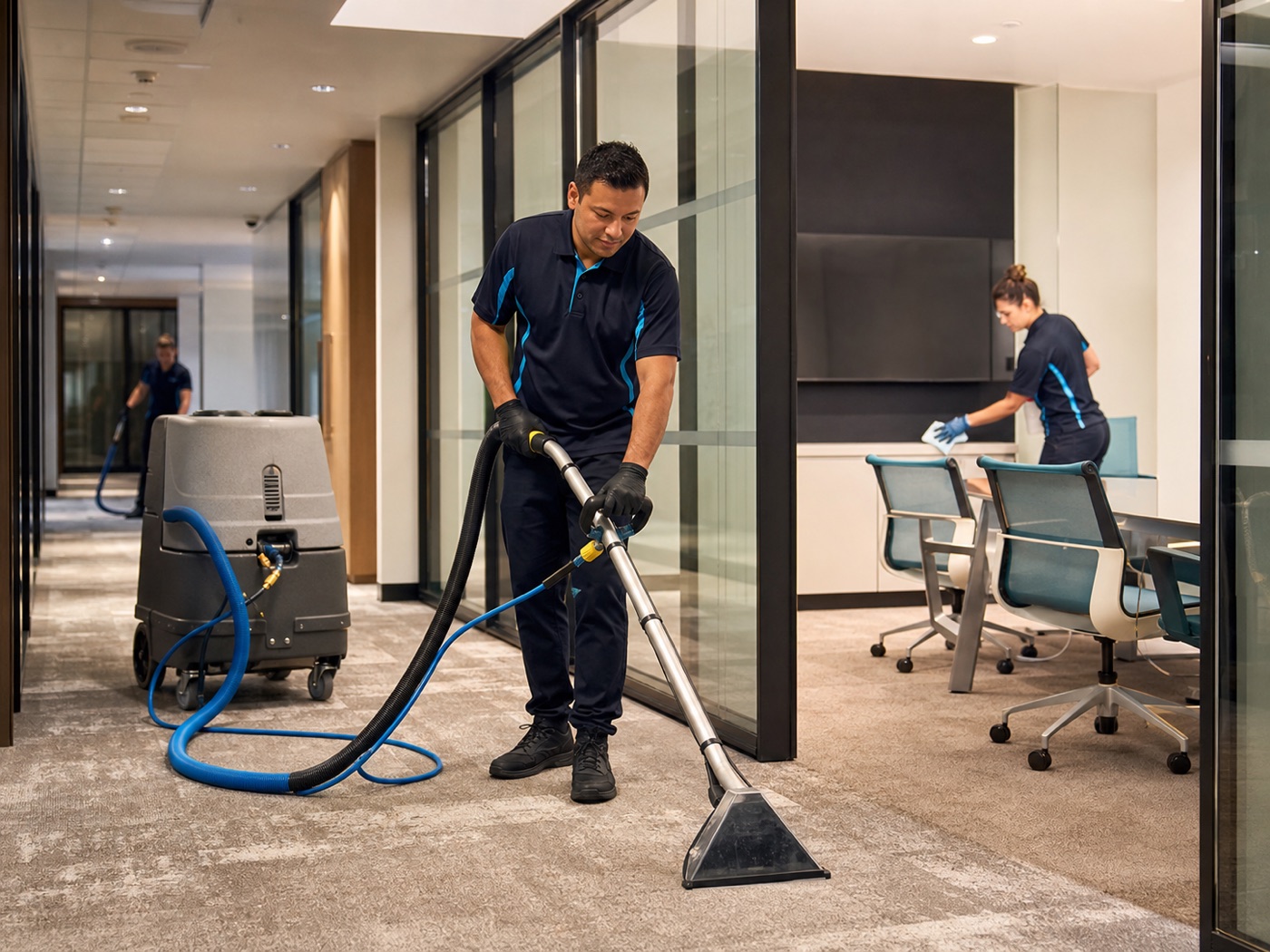
The critical thing to understand is that the binding constraint is drying, not cleaning. Hot water extraction on a large carpeted area in a Hampton Roads August can easily take a full day to dry with the HVAC set back, and floor finish needs cure time before traffic. A 48-hour window is genuinely useful. An overnight window forces compromises — a lower-moisture method, a reduced scope, or a floor that is not ready when the doors open.
Most of the Building Barely Wears
This is where a limited budget goes furthest, and it is consistently underused.
In a sanctuary, the center aisle, the entries, and the front few rows absorb nearly all the traffic. Pew rows toward the back and along the walls may see a fraction of it. In a school, corridors and cafeteria entries are punished while individual classrooms wear slowly. In a fellowship hall, the serving line and the door to the kitchen take the load while the far end of the room sits idle.
| Area | Relative wear | Practical interval |
|---|---|---|
| Main entries and narthex | Highest — all outdoor soil arrives here | Quarterly, plus real walk-off matting |
| Center aisle or main corridor | Very high, concentrated in a narrow strip | Twice yearly |
| Fellowship hall and cafeteria | High, with food and drink | Twice yearly, plus spot response |
| Kitchen and serving areas | High, greasy, usually hard surface | Quarterly deep tile and grout work |
| Classrooms and meeting rooms | Moderate | Annually |
| Sanctuary pew rows, back sections | Low | Every two to three years |
| Offices and storage | Very low | As needed |
Spending against that distribution rather than evenly across square footage typically means the parts of the building people actually see stay in good condition on a budget that would otherwise stretch too thin to matter anywhere. Traffic-lane focused work is the same principle that keeps office buildings looking maintained between deeper cleanings.
Gyms, Halls, and the Wrong-Process Problem
Multipurpose rooms are where the most expensive mistakes happen, because these buildings tend to have several different floor types and nobody on staff is sure what they all are.
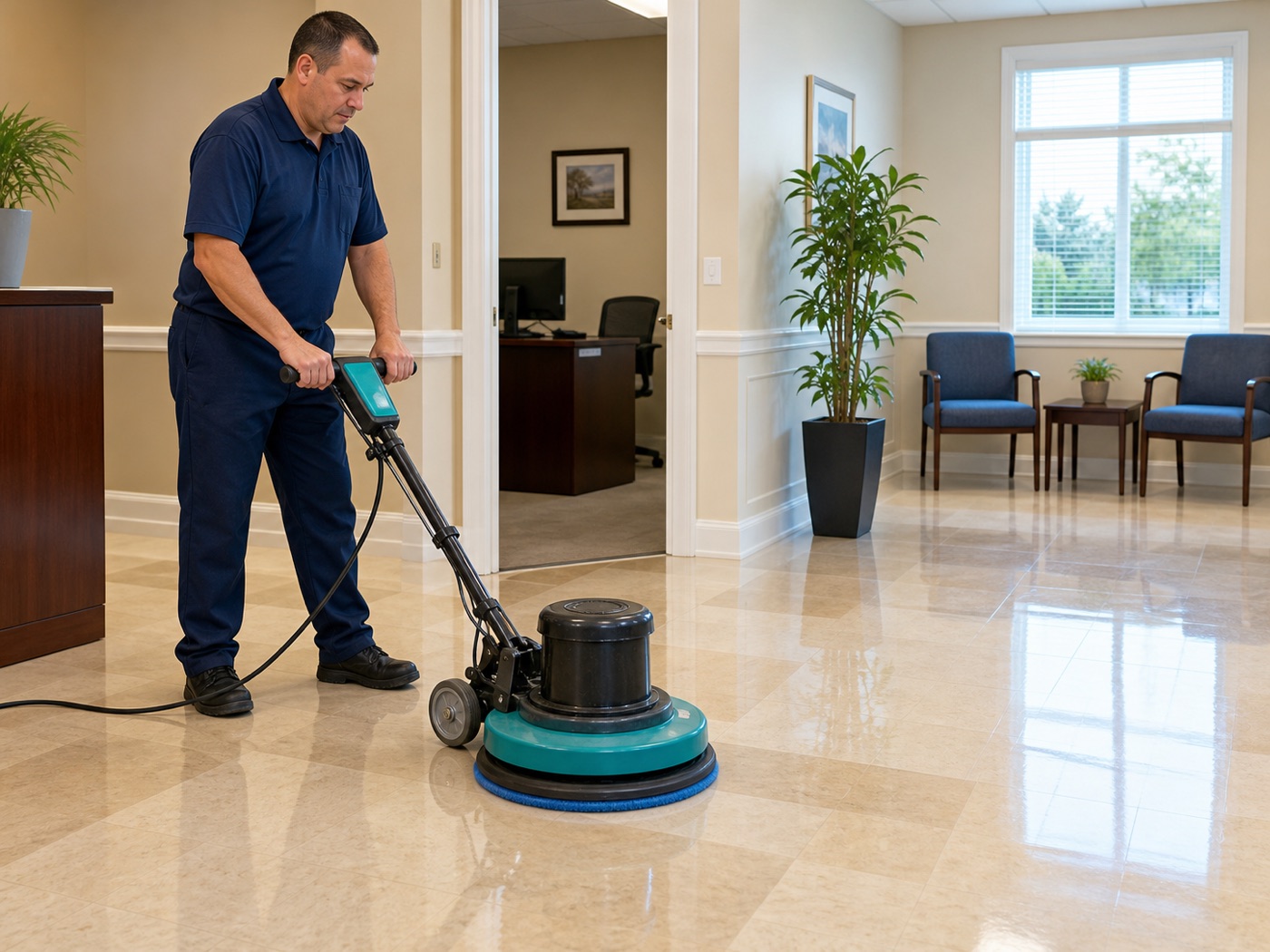
Vinyl composition tile — common in fellowship halls, corridors, and older cafeterias — genuinely needs periodic stripping and recoating. Layered finish yellows, holds soil, and eventually looks worse than bare floor would. Done on a real cycle it is a straightforward, cost-effective system.
Applying that same process to the wrong substrate is the mistake. Ceramic and porcelain tile, quarry tile, natural stone, hardwood gym floors, and modern luxury vinyl plank should not be waxed. Finish on those surfaces peels, scuffs, holds soil, and removing it later costs more than the years of effort it saved.
Hardwood gym and stage floors deserve particular care. Those have a sport finish designed for specific traction characteristics, and they are refinished by specialist contractors on their own schedule. General floor maintenance should keep them clean and keep the wrong products off them — nothing more.
Helping the Volunteers Help
Volunteer and small-staff maintenance is the backbone of most of these facilities and it is genuinely valuable. It goes wrong in predictable ways, and all of them are preventable with a page of written guidance.
- Label the supply closet by surface, not by product. "Carpet spotter — carpet only" prevents more damage than any training session.
- Post the rule that more product is not better. Detergent that is not rinsed out attracts soil and makes carpet re-soil faster than if nothing had been used.
- Keep acidic cleaners away from stone, marble, and unglazed tile entirely. Vinegar is not a safe universal cleaner.
- Teach blotting rather than rubbing on spills, and working from the outside of a spot inward.
- Give someone responsibility for entry matting — checking that it lies flat, gets vacuumed, and gets replaced when it stops working.
- Write down what to leave alone and who to call. Knowing when to stop is as useful as knowing what to do.
Entry matting is the highest-return item on that list and the one most likely to be quietly skipped, because matting looks like decor rather than equipment. In a coastal region where sand cuts carpet fiber rather than just dirtying it, matting at every entrance does more to extend the life of the building's flooring than any single cleaning.
Kitchens, Restrooms, and the Grout Nobody Owns
Two areas in these buildings routinely fall between the daily cleaning routine and the annual deep clean, and both are hard surfaces.
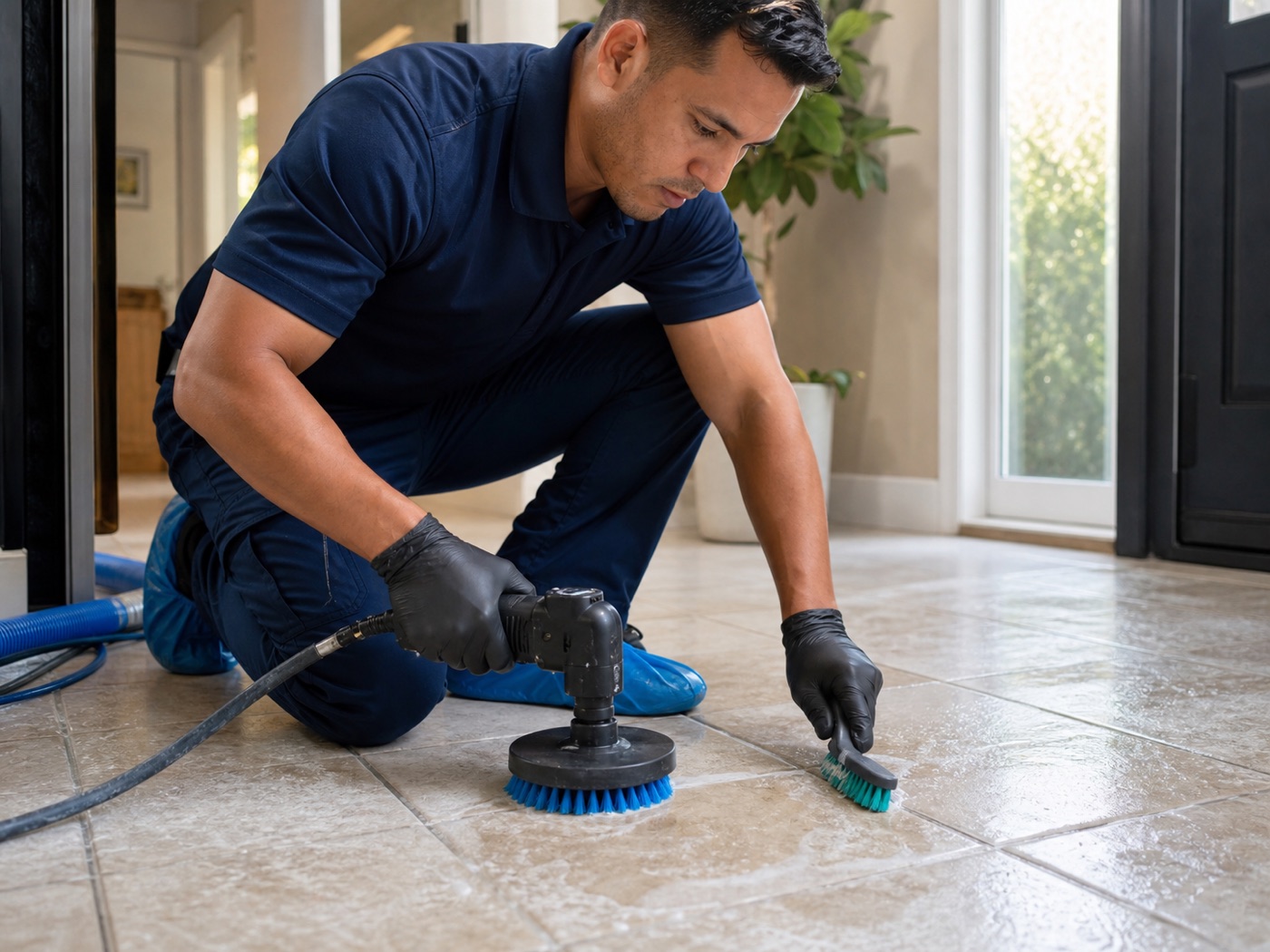
Commercial kitchens in fellowship halls develop the same grease-in-grout problem restaurants do, at lower volume and over a longer period, and the same consequence: the floor gets slick because the grout joints that provide traction have filled in. Mopping redistributes it rather than removing it.
Restroom grout in a heavily used facility absorbs a great deal over the years, and it is usually the surface people form the strongest opinion about. Neither responds to daily mopping — both need periodic mechanical agitation and extraction to actually reset.
The Floors You Inherited
One thing that makes these buildings genuinely harder than a purpose-built commercial space: almost none of them were flooring decisions made at one time by one person.
A typical church or school has an original building from one era, an education wing from another, a fellowship hall added later, and a renovation somewhere in between. Each brought its own flooring, chosen against its own budget, and the transitions between them are frequently where problems concentrate — mismatched heights, worn thresholds, and carpet meeting tile at an edge that has been catching feet for a decade.
The practical response is to have someone map it once. Walk the building, note what each area actually is, and write it down. That document is worth more than it sounds: it tells volunteers which product to use where, it tells a vendor what they are quoting on, and it prevents the recurring conversation where nobody is quite sure whether the corridor floor is vinyl composition tile or luxury vinyl plank.
It also makes budgeting honest. Some of those inherited floors are near the end of their life, and knowing that in advance turns a surprise capital expense into a line in next year's plan. A cleaner worth using will tell you which areas are worth maintaining and which are past the point where cleaning changes anything.
The Short Version
Build the plan around the weeks the building is empty and reserve them early. Spend the budget on entries, aisles, corridors, and the fellowship hall rather than spreading it evenly. Know which floors take finish and keep it off the ones that do not. Give the volunteers a written page and real matting. And put the kitchen and restroom grout on somebody's list, because it is currently on nobody's.
All City Carpet Cleaning And Building Solutions works with churches, schools, and community facilities across Hampton Roads, and scope is built around your calendar rather than ours.