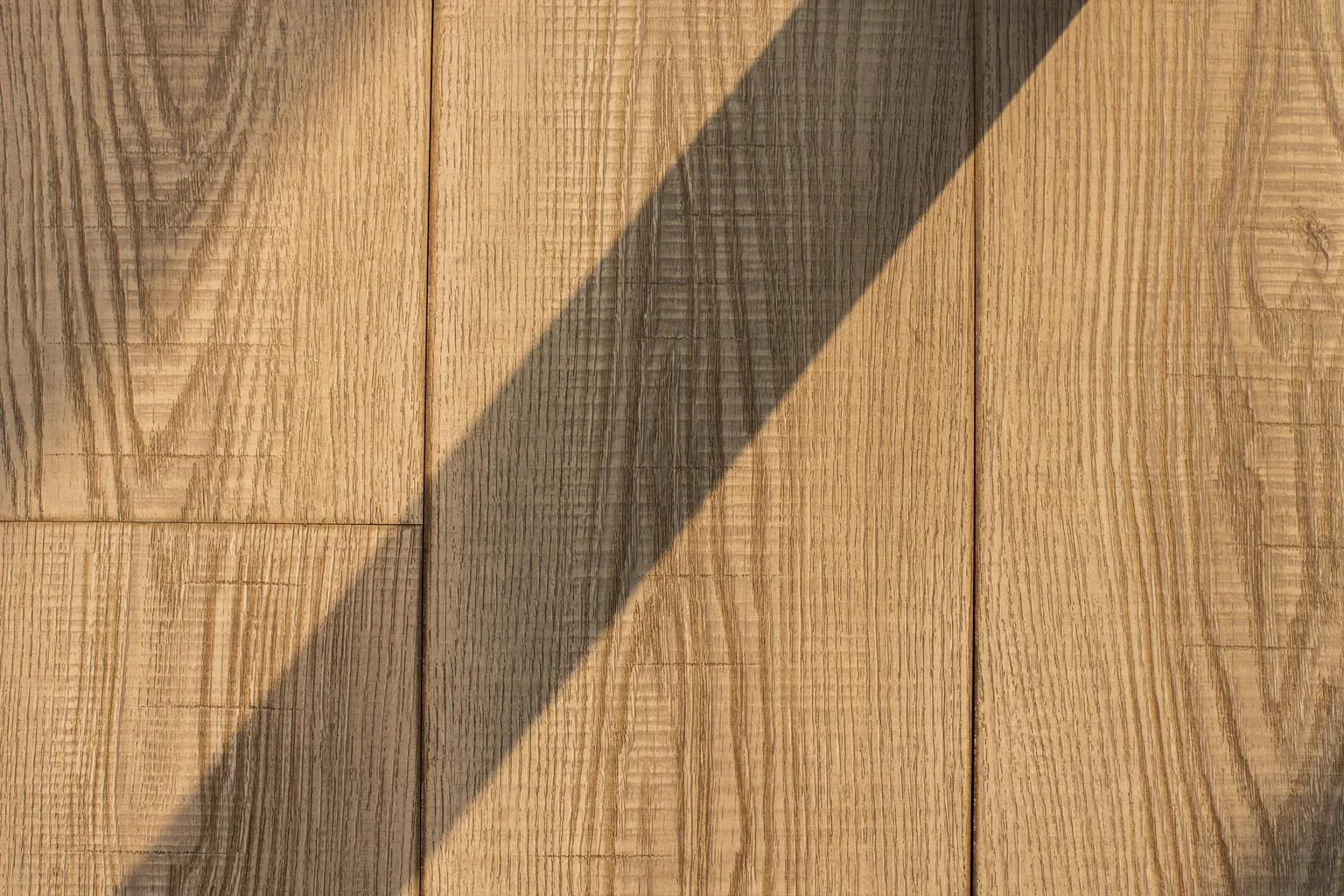
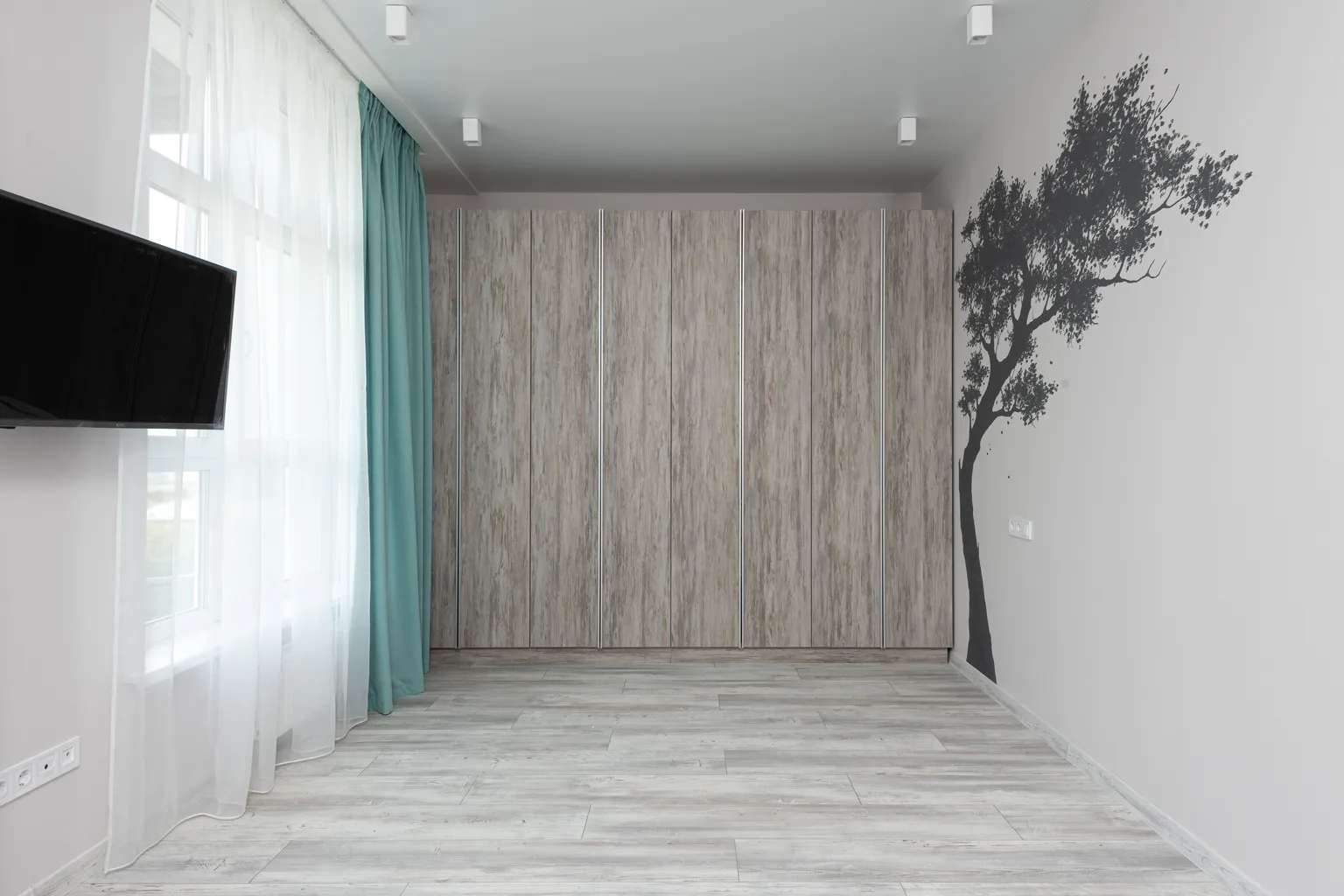
Walk through any new construction in Suffolk or Chesapeake, or any renovated rental in Norfolk, and the floor is almost certainly luxury vinyl plank. It has taken over the mid-market in about a decade, for reasons that are easy to understand: it looks like wood, it costs less, it handles moisture, and in a coastal climate that last point is not a small thing.
It is also the flooring most often damaged by well-meant maintenance, because people clean it the way they cleaned whatever they had before.
What LVP Actually Is
A plank is a sandwich. From the top down: a clear wear layer, a printed design film, a rigid or flexible core, and sometimes an attached underlayment pad.
Everything about maintenance follows from the wear layer, which is a thin urethane or vinyl film measured in mils. A twelve-mil wear layer is residential grade; twenty mil and above is what goes into commercial spaces and rentals. It is the only thing standing between foot traffic and the printed image underneath, and once it is scratched through, the pattern is exposed and the plank is finished.
That is the crucial difference from hardwood. A hardwood floor can be sanded and refinished several times across its life. An LVP floor cannot be refinished at all. Whatever happens to the wear layer is permanent, so maintenance is entirely about protecting a surface rather than restoring one.
The core determines how the floor behaves with heat and moisture. Rigid cores — SPC in particular — are stable and tolerate temperature swings well. Flexible cores can expand and contract enough to open seams in a sunroom or a room with large south-facing windows, which is worth knowing before blaming the installer.
Waterproof Does Not Mean What People Think
The single most misunderstood claim on the box is waterproof, and the misunderstanding causes real damage in coastal homes.
The plank is waterproof. Submerge one and it will be fine. The installation is not. Water finds the seams between planks, the perimeter gap at the walls, and the transitions at doorways, and once it goes through it reaches the subfloor, where it behaves exactly as water always has.
In Hampton Roads that matters more than most places. A dishwasher leak, a storm surge, a burst supply line, or a slow refrigerator drip can put water under a floating floor and leave it there, and because the surface still looks perfect, nobody finds it until the subfloor has been wet for weeks. Buckled planks and a musty smell are usually the first symptoms, and by then the problem is structural rather than cosmetic.
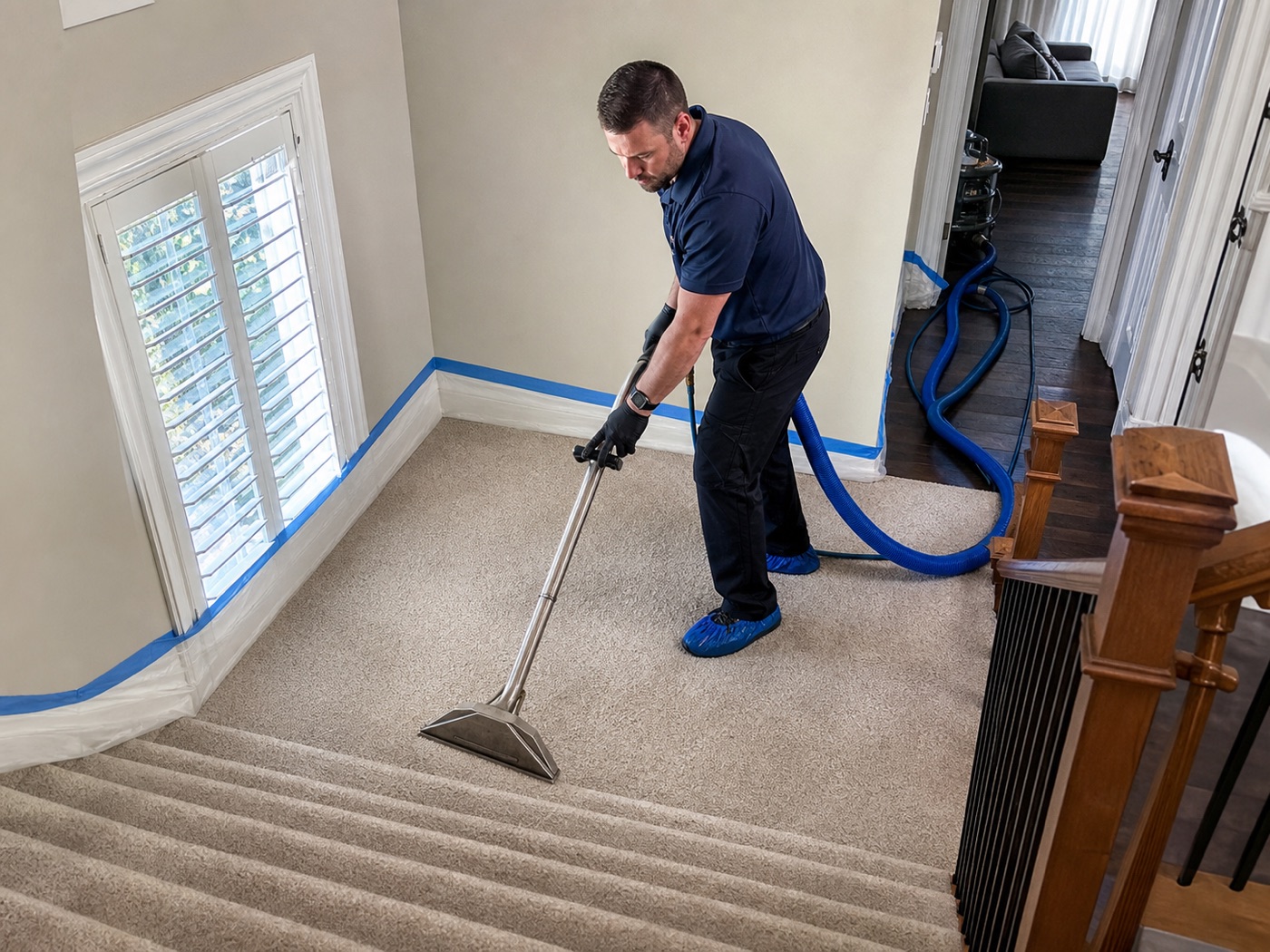
If water gets under an LVP floor after a storm or a plumbing failure, the floor needs to come up in that area so the subfloor can dry. That is unwelcome news and it is far cheaper than the alternative. The same logic applies to anything soft in the room, where speed of extraction decides the outcome.
The Routine That Works
LVP maintenance is genuinely simple, and most failures come from doing more rather than less.
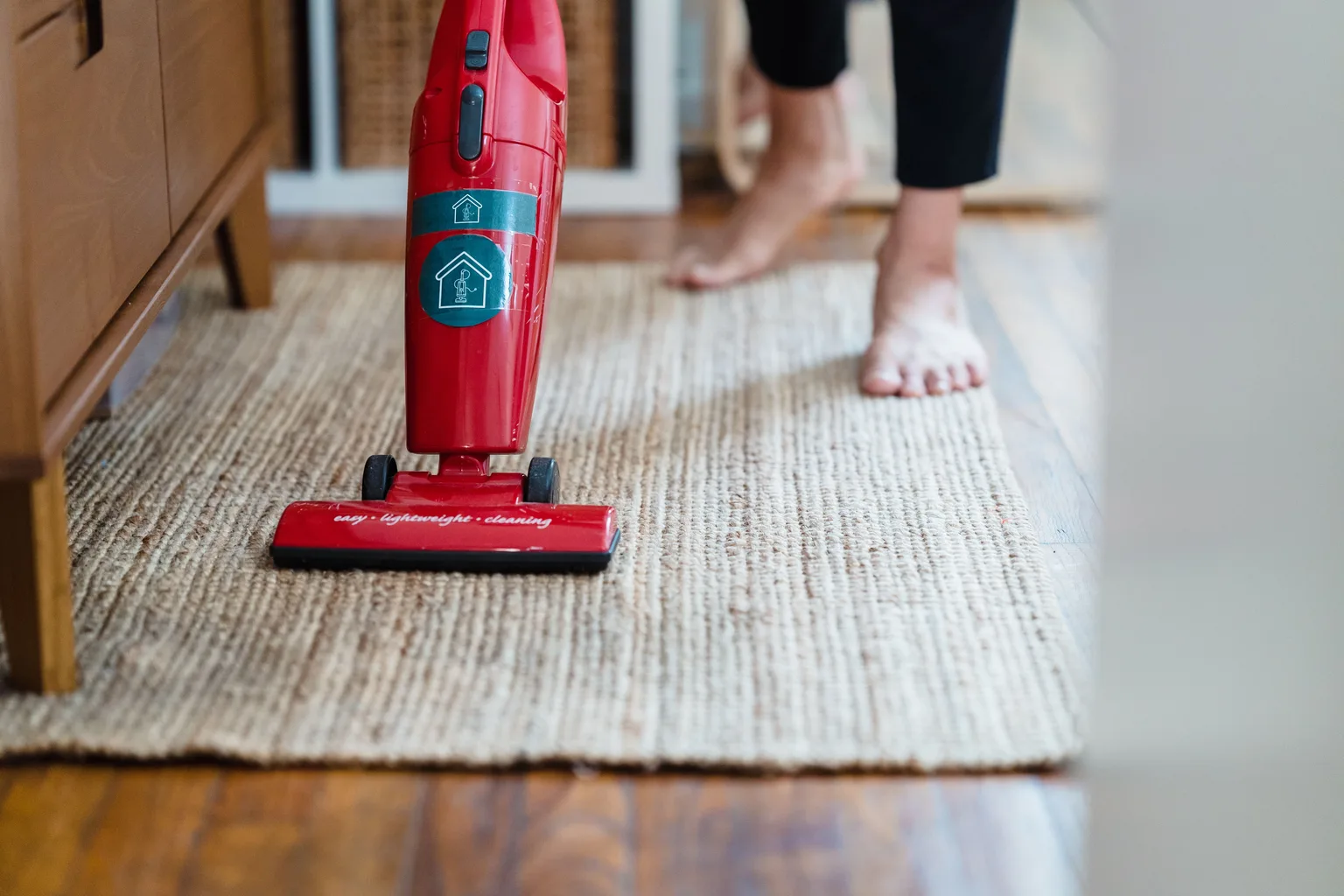
- Dry soil removal first, and often. Sweep, dust mop, or vacuum with the beater bar off — a rotating brush scuffs the wear layer over time.
- Damp mop with a microfiber pad and a pH-neutral cleaner made for resilient floors. Damp means wrung out, not wet.
- Do not let standing water sit, especially near seams and edges. Wipe spills promptly even though the plank itself does not care.
- Skip the all-purpose cleaner. Most leave a film that dulls the surface, and the film is what people later mistake for worn finish.
- Use felt pads under every furniture leg, and replace them when they collect grit — a dirty felt pad is sandpaper.
- Lift furniture rather than sliding it. Most deep scratches in LVP arrive under a chair leg or an appliance.
If a floor already looks dull and cleaning does not help, the usual cause is accumulated product residue rather than wear. A neutral cleaner used at the right dilution, rinsed properly, will often bring back a surprising amount of the original finish. That is worth trying before concluding the floor is worn out.
The Sand Problem Again
Everything in Hampton Roads floor care eventually comes back to sand, and LVP is no exception.
Quartz sand is harder than a vinyl wear layer by a wide margin. Ground underfoot it produces fine scratches, and thousands of fine scratches read as dullness rather than as damage, which is why people describe the problem as the floor losing its shine rather than as abrasion. It is abrasion.
The defenses are the same as for carpet and they are cheap. Matting at every exterior door, long enough for several steps. A shoe-off habit where it is practical. Frequent dry soil removal, which matters more on hard flooring than on carpet because there is nowhere for grit to hide — it stays on the surface where every footstep grinds it.
Households within a few miles of the water should treat this as a maintenance requirement rather than a suggestion. It is the difference between an LVP floor that still looks new at year eight and one that looks tired at year four.
LVP in Rentals and Commercial Spaces
There is a reason property managers across this region have converted so many units to plank flooring, and it holds up well in practice.
It turns faster than carpet, it does not hold pet odor in a pad, and it removes the largest single source of security deposit disputes from the equation. For a portfolio, that is a meaningful operational improvement even before the durability math.
The catch is that turnover damage is different rather than absent. Deep gouges from furniture, separated seams from sliding appliances, and heat marks near sliding glass doors are the common failures, and unlike carpet none of them can be cleaned away. The repair is plank replacement, which is why keeping a box of spares from the original installation is the best decision a landlord can make on install day.
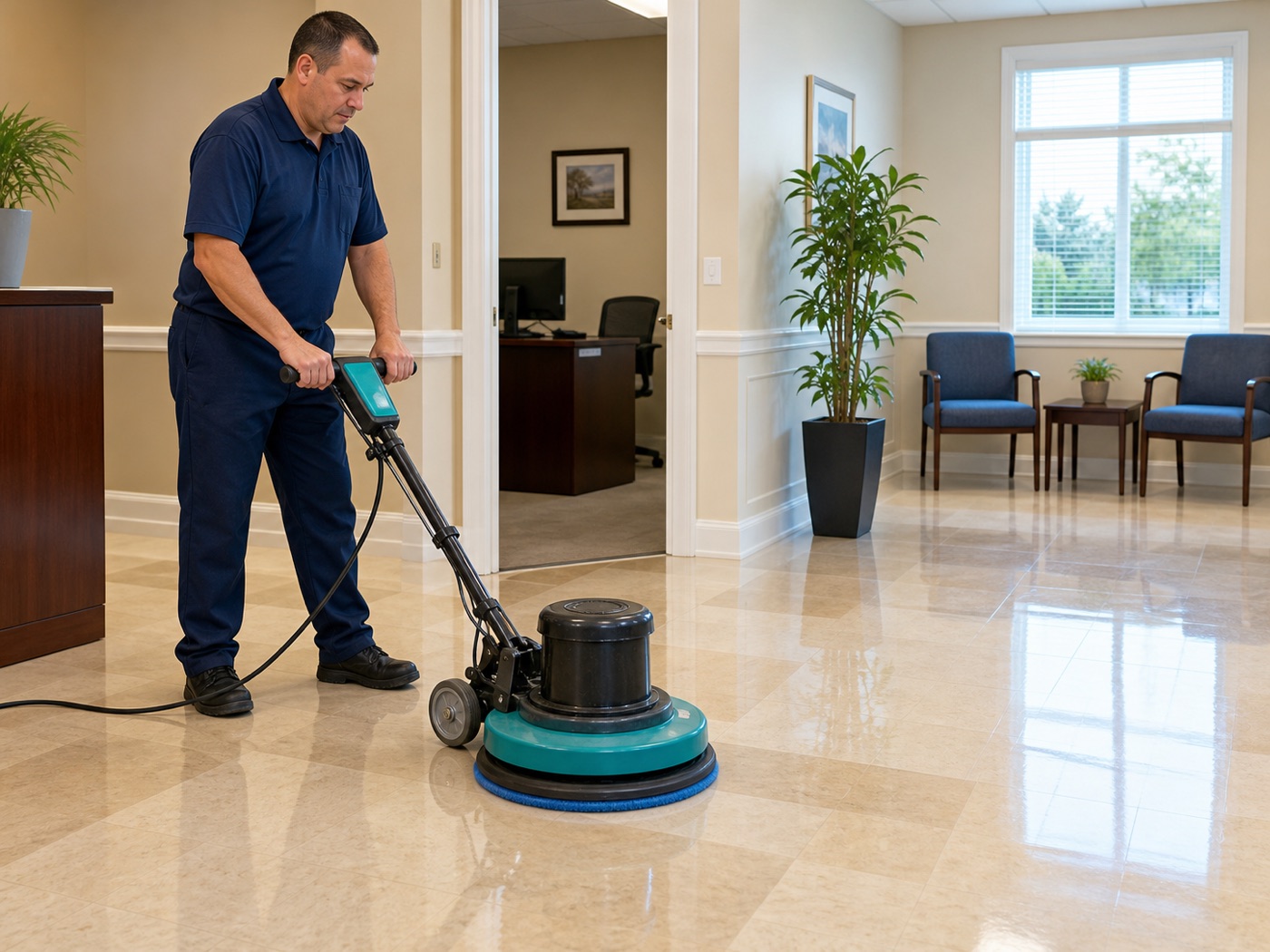
In commercial spaces, the same rules apply with more traffic behind them. Entry matting does more for a plank floor than any cleaning program, and a scheduled maintenance pass on the hard surfaces keeps a space looking deliberate rather than merely clean. Tile and grout in the same building usually need attention on a similar cycle.
Sun, Heat, and the Hampton Roads Sunroom
One failure mode is specific enough to this region to deserve its own note, and it usually gets blamed on the wrong thing.
Direct sun through a large window heats a plank floor well past air temperature, and a flexible-core product will expand under it. In a floating installation with an inadequate perimeter gap, that expansion has nowhere to go, and the result is a raised seam or a plank that has lifted in the middle of the room. It looks like an installation defect and it is usually a heat and gap problem together.
Sunrooms, Florida rooms, and south-facing living rooms with sliding glass doors are where this shows up, and Hampton Roads has a great many of all three. The fixes are unglamorous: cellular shades or a UV film on the glass, keeping the space conditioned rather than letting it swing thirty degrees, and choosing a rigid core if the floor is going in fresh.
The same sunlight also fades the printed design layer over years, in the same way it fades everything else in a bright room. That is not a cleaning problem and no product reverses it, which is worth knowing before someone sells you a restorer for it.
When to Call Someone
Most LVP cleaning is homeowner work, and we will say that plainly. A microfiber mop and a neutral cleaner handle the ordinary case better than any service call would.
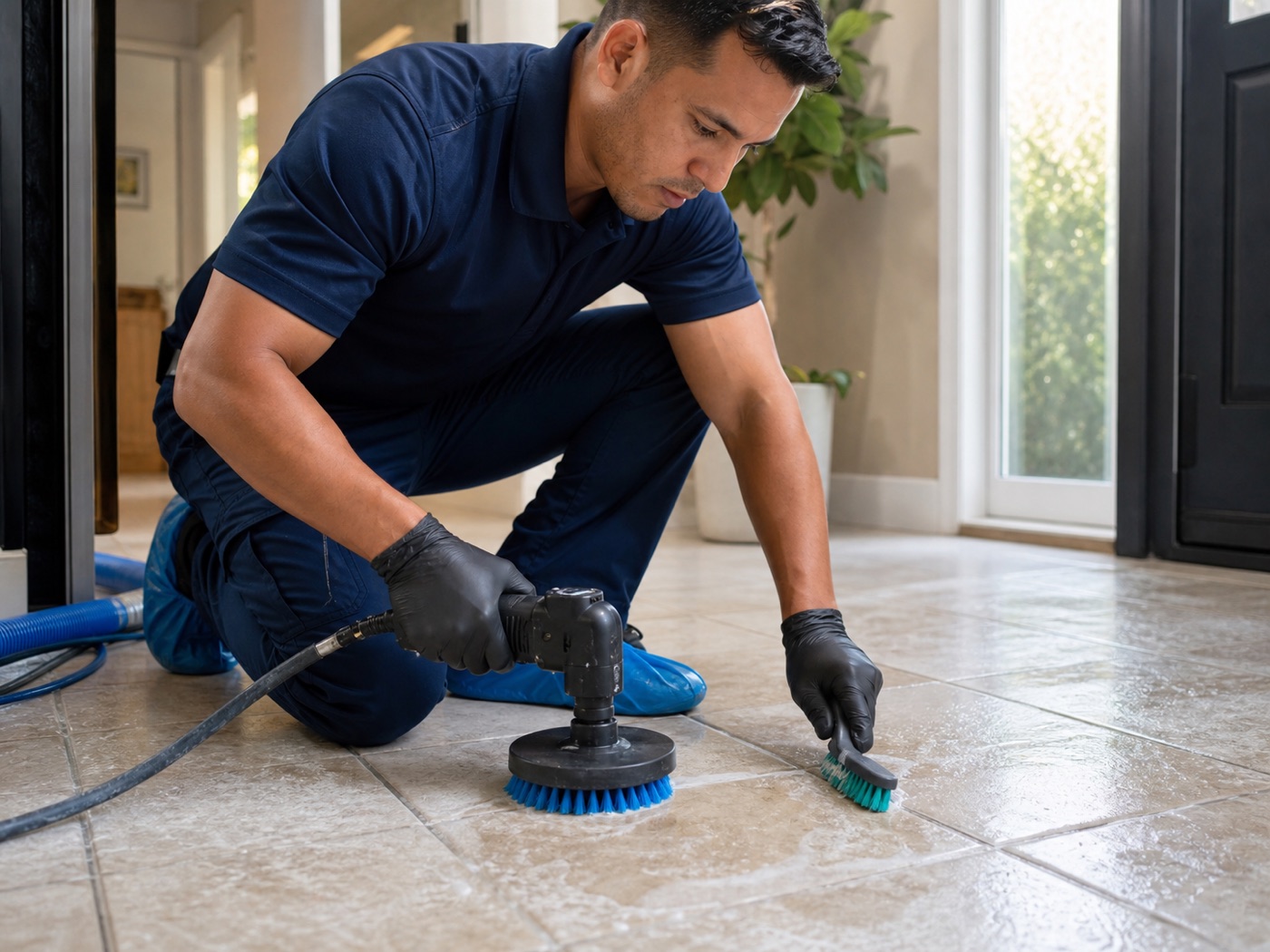
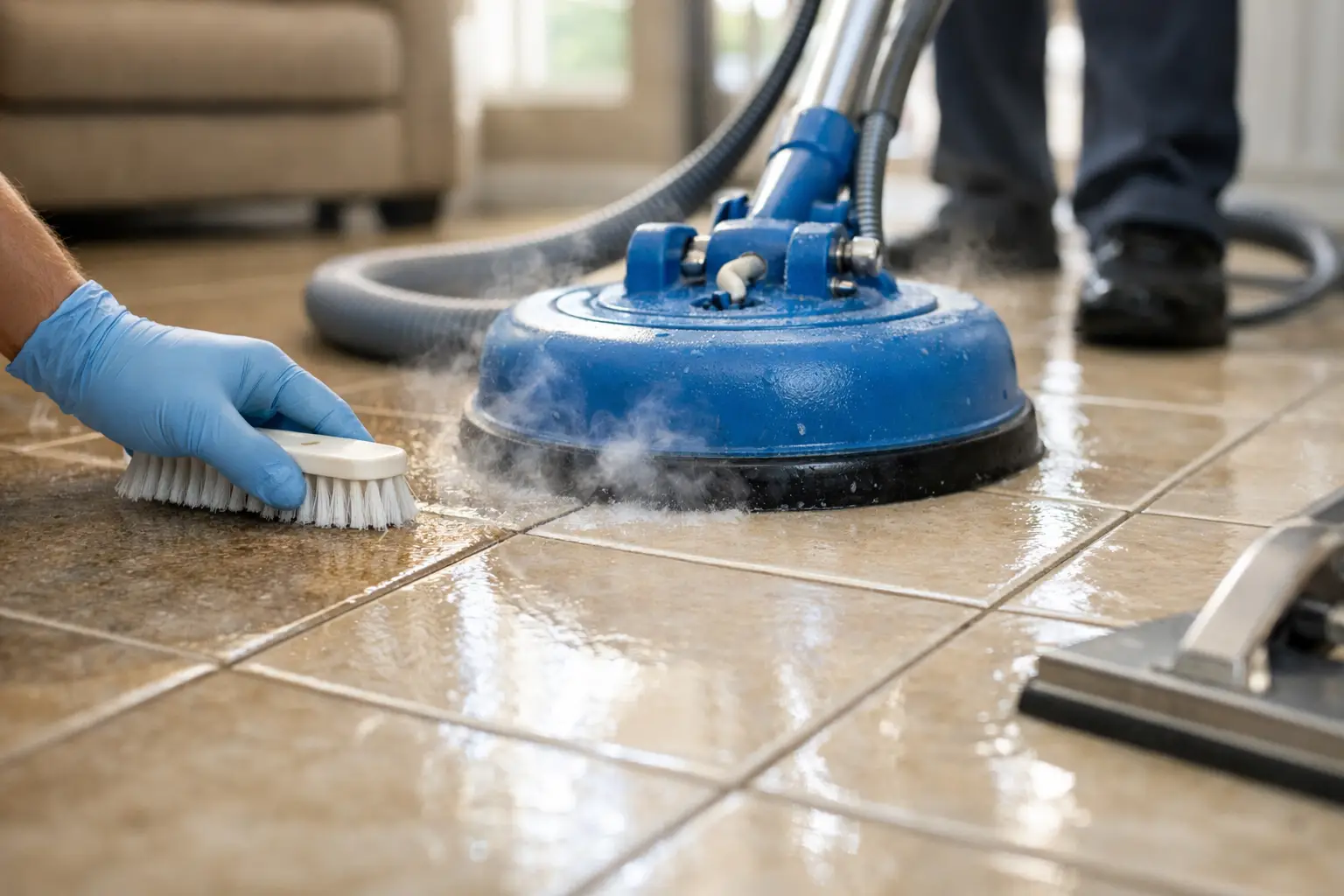
Where a professional helps is with accumulated residue across a whole house, with construction or renovation cleanup where the floor has taken drywall dust and adhesive, with heavily soiled rental turnovers, and with the transitions between plank and tile or carpet where soil concentrates and ordinary mopping never reaches.
It also helps to have someone look at a floor before you decide to replace it. A dull LVP floor with a residue film and a dull LVP floor with an abraded wear layer look identical to most eyes, and the first one costs an afternoon while the second costs a floor. We would rather tell you it is recoverable.
All City Carpet Cleaning And Building Solutions handles hard surface and soft surface floor care throughout Virginia Beach, Norfolk, Chesapeake, Suffolk, Hampton, Portsmouth, and Smithfield, with area pricing published up front.