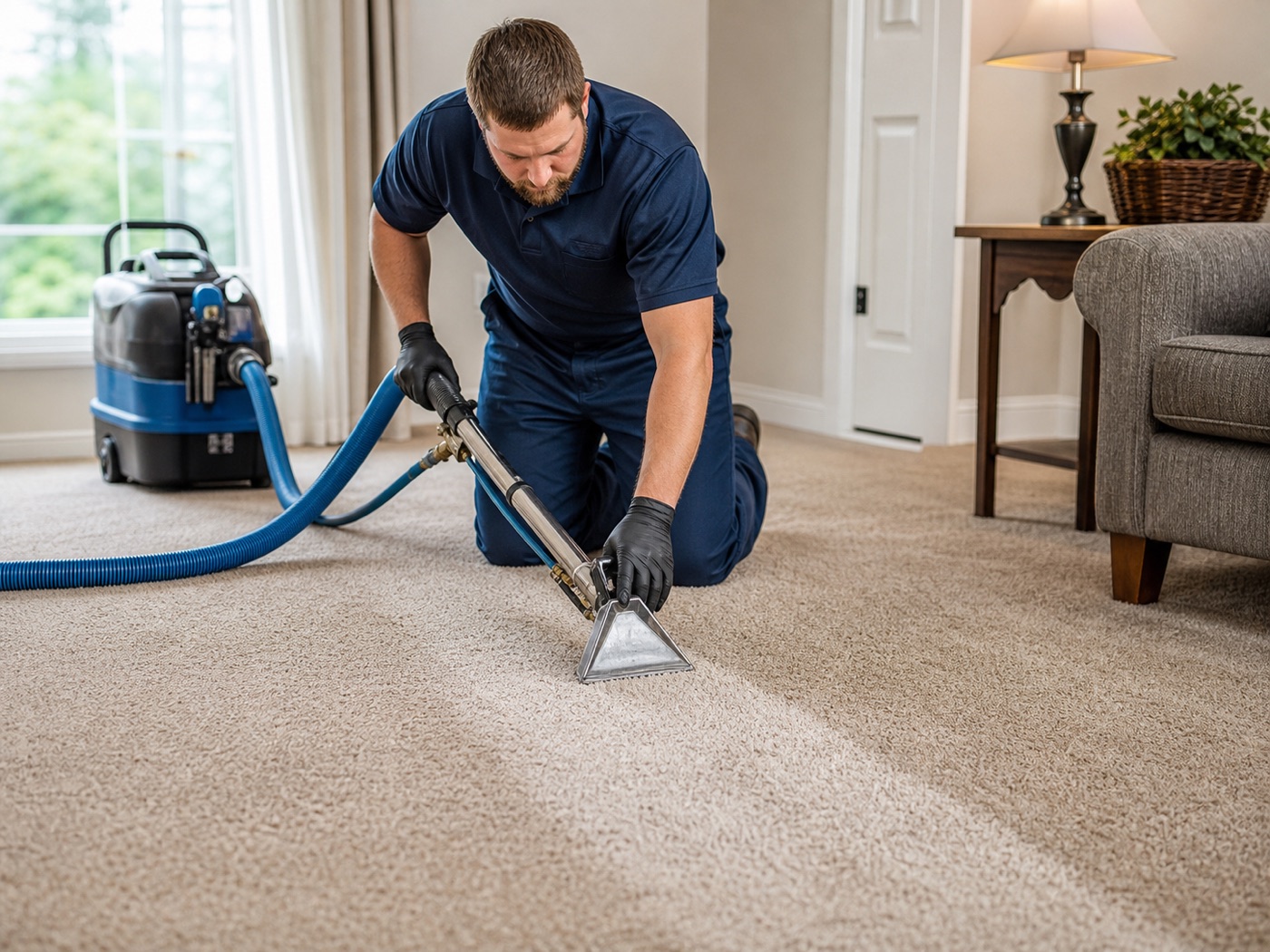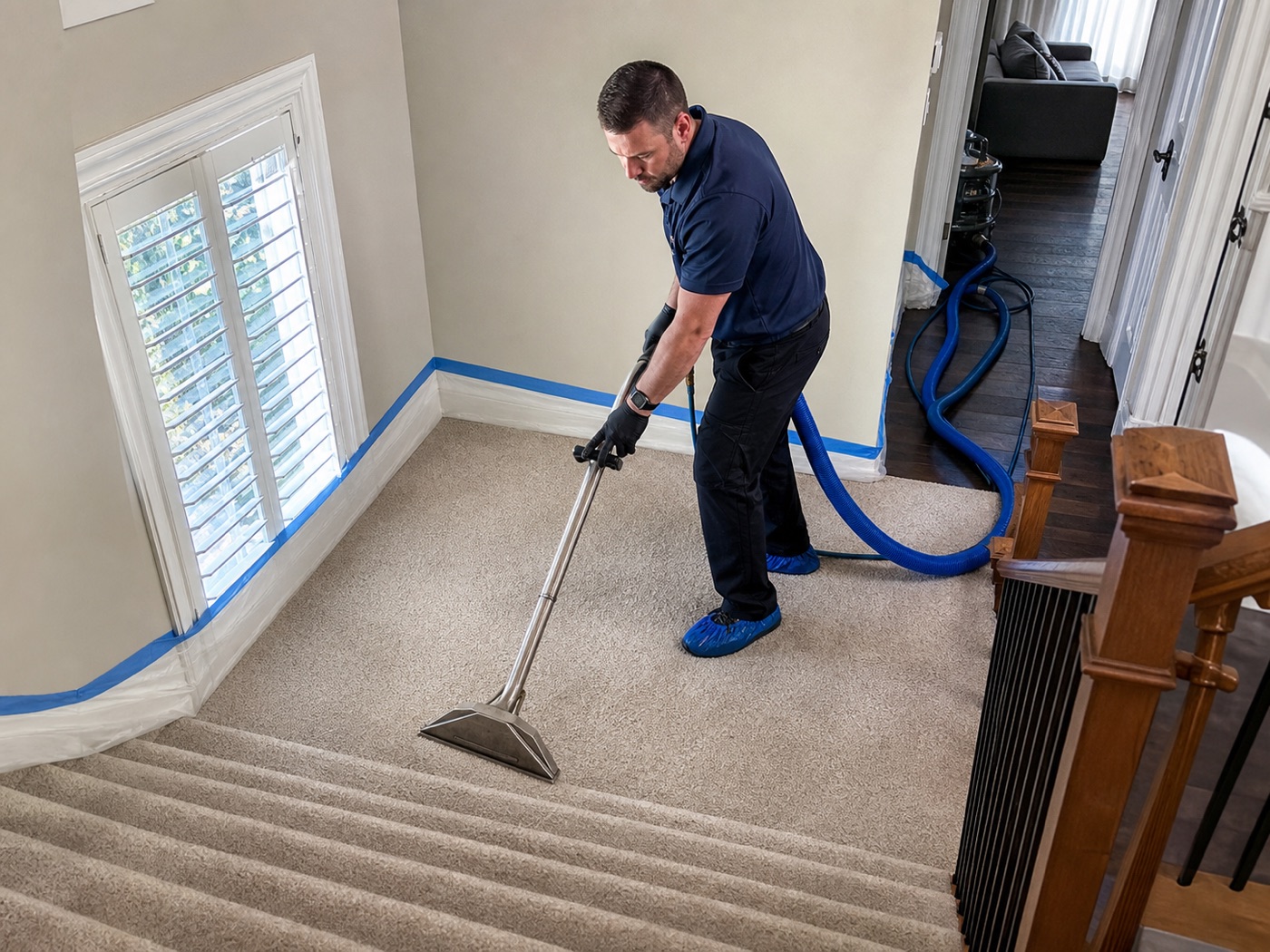
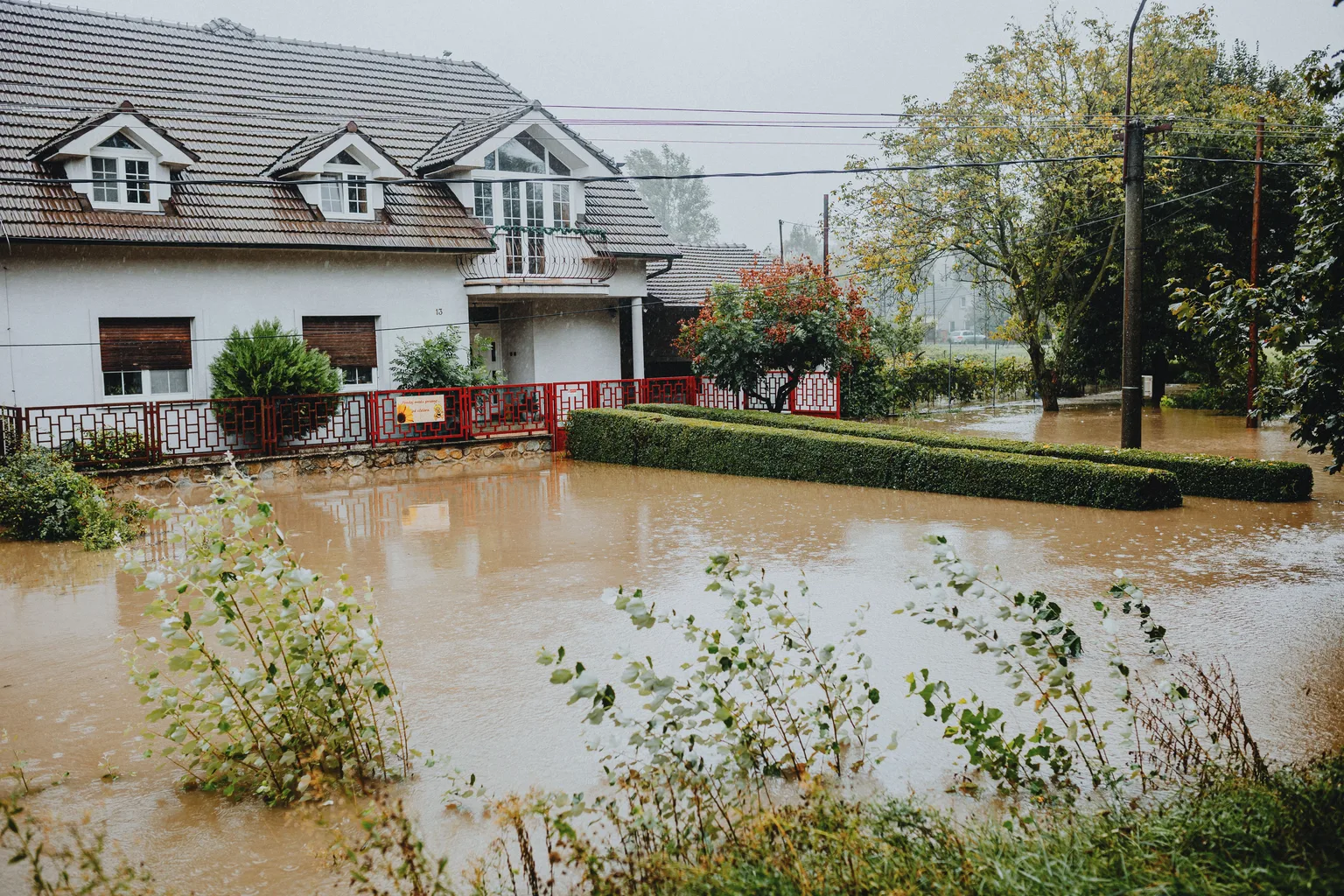
Hampton Roads floods in ways that surprise people who moved here from somewhere else. The region sits low, the water table is high, and the combination of storm surge, tidal flooding, and heavy rain on flat ground means water shows up in places that never saw it before. Norfolk, Portsmouth, and the older parts of Virginia Beach all have neighborhoods where a bad afternoon puts water where it does not belong.
When it reaches the carpet, homeowners ask the same reasonable question: can this be saved? The honest answer depends almost entirely on two things, and neither of them is how wet it got.
The Question Is What Kind of Water
The restoration industry classifies water losses into three categories, and the classification drives everything that follows.
| Category | Typical source | What happens to the carpet |
|---|---|---|
| Category 1 — clean | Supply line, water heater, faucet, refrigerator line | Face fiber can often be dried in place; pad usually replaced |
| Category 2 — gray | Washing machine or dishwasher discharge, toilet overflow without solids | More aggressive cleaning; pad removed; carpet sometimes saved |
| Category 3 — contaminated | Storm surge, street flooding, sewage backup, groundwater | Carpet and pad removed and discarded — this is the standard, not a preference |
That bottom row is where most storm losses in this region land, and it is worth stating plainly because it is the thing people most want to argue with. Water that has crossed a street has picked up whatever was on that street — sanitary sewer overflow, fuel and oil, lawn chemicals, animal waste. It soaks into carpet backing and pad, which are porous. Drying a porous material does not remove what dissolved into it.
A cleaner who offers to extract and dry a carpet that sat in surge water is either not familiar with the standards or is telling you what you want to hear. Neither is a reason to hire them.
What to Do in the First Hours
Safety comes before flooring, and it is not a formality. Standing water and electricity are a genuine hazard, and floodwater in this region can be contaminated in ways that are not visible.
- If water is standing and you are unsure about the electrical situation, cut power to the affected area at the panel — or do not enter until someone qualified has checked it.
- Photograph and video everything before moving a single item. Wide shots, close-ups, water lines on the wall, and the contents of the room.
- Note the source if you can determine it. Whether the water came from a pipe or from the street changes the entire response.
- Call your insurer to open a claim, and call for extraction without waiting for the adjuster if water is standing.
- Lift what you can — furniture legs onto blocks or foil, rugs off wet carpet, contents out of the room.
- Get air moving and run the air conditioning or a dehumidifier. Do not open windows on a humid day; that adds moisture rather than removing it.
- Do not run a household vacuum over standing water. Wet extraction requires equipment built for it.
The drying half of this matters as much as the extraction half, and in this climate it is the part most often underestimated. Moving water out is fast; getting the remaining moisture out of a room in August is a mechanical problem that needs dehumidification rather than open windows.
The Pad Is Almost Always the Answer
One detail catches people out even in the best-case scenario. Carpet pad is designed to be soft and absorbent, which makes it excellent underfoot and terrible in a water loss. It holds water long after the carpet above it feels dry, and it holds it against the subfloor where nothing can reach it.
This is why a carpet that was extracted and felt dry can smell musty a week later. The face fiber dried; the pad did not. In practice, even a clean-water loss usually means pulling the carpet back, removing and discarding the pad, drying the subfloor, and reinstalling over new pad. That is more disruptive than most people expect and it is the difference between a real repair and a temporary one.
It is also the same mechanism behind odor problems that have nothing to do with storms. Anything that reaches the pad — a slow leak, repeated pet incidents, a spill nobody caught — creates a reservoir the surface cannot reach, which is why an odor that keeps returning is so often a below-the-carpet problem.
What Else in the Room Is Affected
Carpet is the obvious casualty, but it is rarely the only one, and the things people forget are usually the ones that cause problems later.
- Drywall wicks water upward well above the visible waterline — often a foot or more above where the water stood.
- Baseboards and trim hold moisture against the wall cavity behind them, which is where mold gets started.
- Upholstered furniture that sat in water has the same category problem the carpet does, and cushion fill dries very slowly.
- Wood floors under or beside the affected area cup as they absorb moisture and may not flatten back out.
- Subfloor and the underside of the flooring assembly stay wet long after the surface reads dry to the touch.
This is why a real drying plan uses moisture meters rather than judgment. A floor that feels dry can still hold enough moisture to support growth, and the only way to know is to measure. Any contractor who declares a room dry by touching it is guessing.
Businesses Have a Different Calculation
For a commercial property, the cost of the flooring is often smaller than the cost of being closed. That changes the sequence: the priority becomes getting the space safe and operational, which sometimes means removing affected carpet immediately rather than attempting restoration that will take days.
It also means the decision is rarely made by one person. Owners, tenants, insurers, and sometimes a property manager all have a say, and the useful thing a cleaner can do early is give everyone an accurate read on what is recoverable so the decision is not made twice. Commercial work in a damaged building is as much coordination as it is cleaning.
One caution worth stating: extensive Category 3 losses and structural drying are specialist restoration work, often involving containment, antimicrobial protocols, and documentation for insurers. If a job needs that, the right answer is a licensed restoration contractor, and we will say so rather than take work that belongs with someone else.
Before the Next Storm
Hurricane season here runs June through November, and the losses that go worst are usually the ones where nobody knew what was covered until after. Read your policy specifically for flood — standard homeowners policies generally exclude it, and flood coverage is typically a separate policy. Photograph your rooms while they are dry, so a claim has a before to compare against.
For the flooring itself, the practical preparation is simple: know which rooms are lowest, keep anything irreplaceable off those floors, and have a number to call that answers. Ordinary maintenance helps too — a clean, well-maintained carpet in good condition is a better candidate for salvage than one that was already saturated with soil.
The Short Version
What can be saved comes down to source and time. Clean water caught inside a day or two is usually recoverable, minus the pad. Storm surge and street flooding are contaminated water, and the standard is removal — not because anyone is being cautious for its own sake, but because you cannot dry contamination out of a porous material.
All City Carpet Cleaning And Building Solutions serves Norfolk, Virginia Beach, Portsmouth, Chesapeake, and Hampton. If you are looking at water on your floor right now, photograph it, then call — the first conversation is about what is realistic, not about scheduling.