
There is a specific kind of wear that shows up in Virginia Beach homes and almost nowhere else in the state. The carpet does not look stained. It looks tired — flat through the hallway, slightly gray in the living room, a little rough underfoot in the bedrooms. Homeowners often assume it is age. Usually it is sand.
After enough years working coastal properties, the pattern becomes easy to read. A home in Sandbridge or the North End collects a fine layer of quartz sand that never quite leaves. It rides in on shoes, towels, dog paws, beach bags, and the bottom of a cooler. And it does not behave the way ordinary household dirt behaves.
Why Coastal Carpet Wears Differently
Most tracked-in soil is soft. It dulls a carpet, it holds odor, and a good vacuum plus periodic extraction takes care of it. Beach sand is a different material entirely, and the difference is worth understanding before you decide how often to have carpet cleaned.
Sand Is an Abrasive, Not Just a Mess
Quartz sand is harder than nylon, olefin, polyester, and wool — the fibers nearly every residential carpet is made from. When a grain of sand settles down at the base of the pile and someone walks across it, that grain does not compress. The fiber does. Every pass grinds the yarn a little, and the cut ends scatter light differently than intact fiber does. That is why worn traffic lanes look gray even after they are clean: you are not seeing dirt, you are seeing damaged fiber.
This is also why the damage is permanent in a way that staining is not. A spot can often be treated, and knowing which marks are worth calling about saves a lot of guessing. Abraded yarn cannot be put back. The only real defense is removing grit before it accumulates, which is the entire argument for a shorter cleaning interval in a beach household. Regular professional carpet cleaning is less about appearance in this context and more about protecting the fiber you already paid for.
Salt Air and the Humidity That Comes With It
The second coastal factor is moisture. Virginia Beach sits in a humid subtropical climate with the ocean on one side and the Chesapeake Bay on the other, and indoor humidity here runs higher than most of Virginia for most of the year. That affects carpet in two practical ways.
First, it slows drying. A carpet that would be dry in four hours in a drier climate can take noticeably longer here in July, particularly in a ground-floor room with limited airflow. Second, humidity makes existing odor more noticeable. Organic material in the pile — pet dander, food residue, body oils — releases more scent in warm, damp air. A room that smells fine in February can smell stale in August without anything new having happened to it.
Where We See It Most Across Virginia Beach
Sand exposure varies more by neighborhood than people expect. Sandbridge, Croatan, and the North End see the heaviest and most direct load — often with rental turnover on top of it. Homes around Great Neck and Bay Colony catch a steadier, lighter version of the same thing. Further in, Kempsville, Landstown, and Green Run deal with more ordinary yard soil and less quartz, but pick up their own problem: heavier clay tracked in during a wet spring.
The Oceanfront blocks are their own category. Short-term rentals there cycle guests weekly through the summer, and guests do not wipe their feet. Those properties usually need a turnover-based schedule rather than an annual one.
| Zone | What we typically find | What makes the biggest difference |
|---|---|---|
| Entry and foyer | Heaviest grit load, visible dulling within a season | A long walk-off mat inside and out, plus a hard-surface landing area |
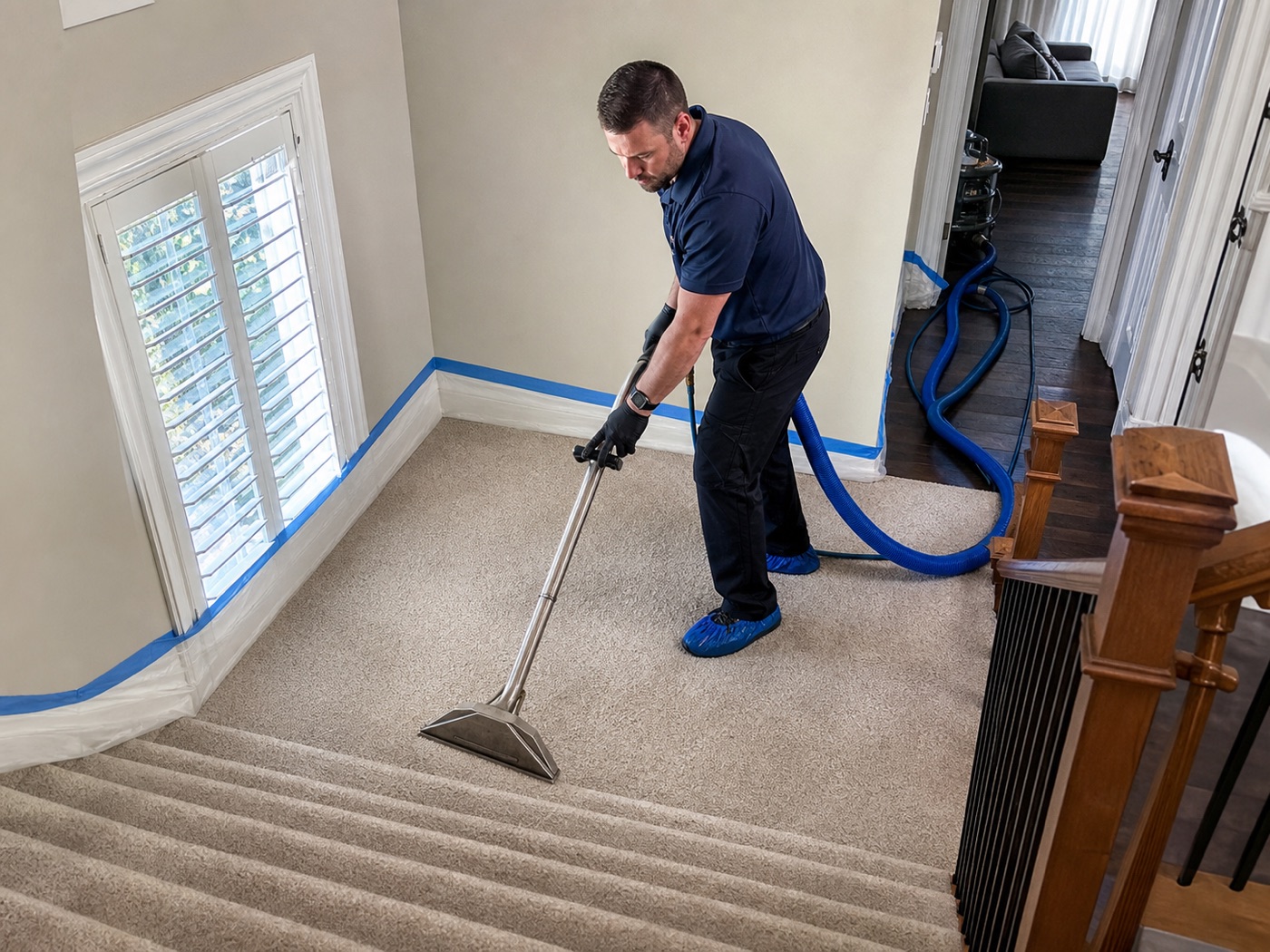
| Hallways and stairs | Flattened pile, gray traffic lanes, worn stair noses | Frequent slow vacuum passes; stairs need edge attention |
| Living areas | Fine grit worked deep into the pile base | Periodic hot water extraction to flush the base of the yarn |
| Bedrooms | Sand in the pile near the bed, often with sunscreen residue | Shoes-off habit and washing bedding-adjacent rugs |
| Upholstery | Sand and salt residue in seat cushions and seams | Dry soil removal before any wet cleaning |
A Realistic Maintenance Rhythm for a Coastal Home
None of this requires a complicated routine. It requires the right few habits, done consistently, because the goal is to intercept grit before it settles into the base of the pile.
- Put real matting at every exterior door — a coarse scraper mat outside and an absorbent walk-off mat inside, long enough for three or four steps.
- Rinse feet, boards, and dog paws outside before anyone comes in. An inexpensive hose spigot near the back door does more for your carpet than most cleaning products.
- Vacuum slowly, and vacuum entries and hallways more often than the rest of the house. Speed matters more than suction; a slow pass pulls grit up from the base of the pile that a fast pass rides straight over.
- Keep a shoes-off habit in carpeted bedrooms, even if the rest of the house stays casual.
- Schedule professional extraction every 6 to 12 months rather than waiting for visible soil, and more often for rentals.
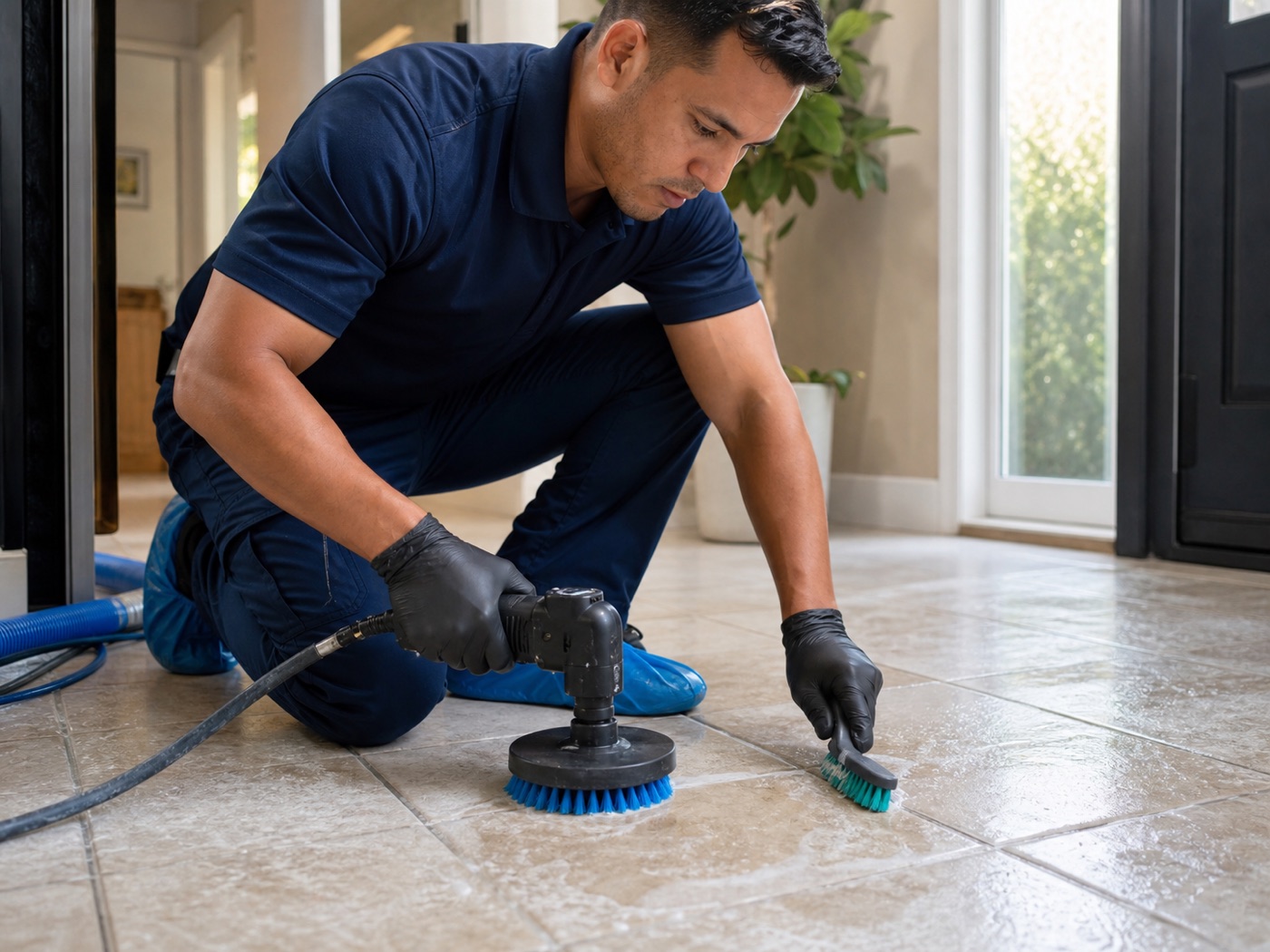
For homes where the carpet meets tile at the entry, keeping that tile and grout clean matters more than it sounds. Grout lines hold sand, and a soiled entry floor becomes a reservoir that reloads the carpet every time someone walks through. Cleaning tile and grout at the same visit as the carpet is often the more efficient way to handle it.
What Professional Cleaning Fixes — and What It Doesn't
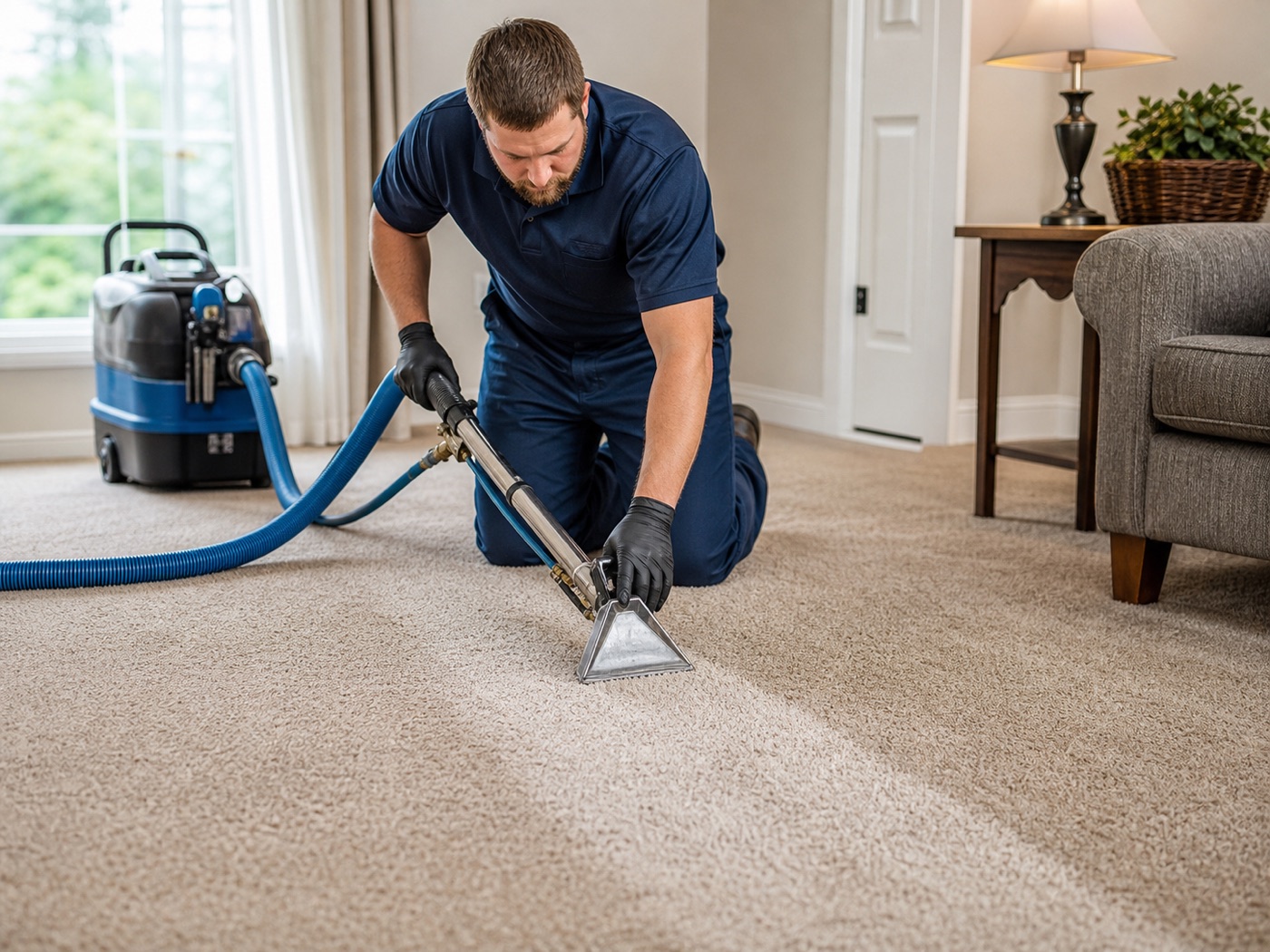
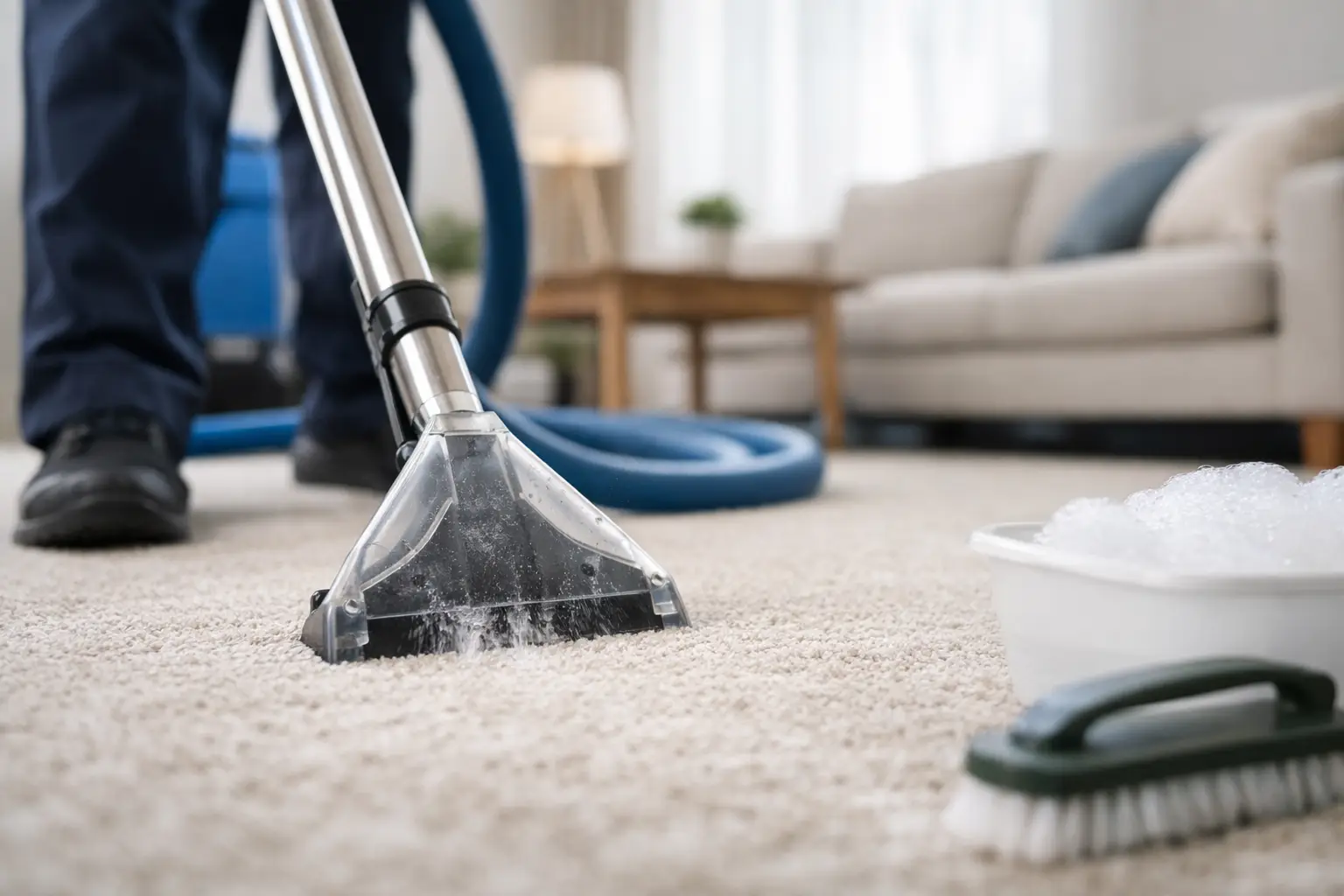
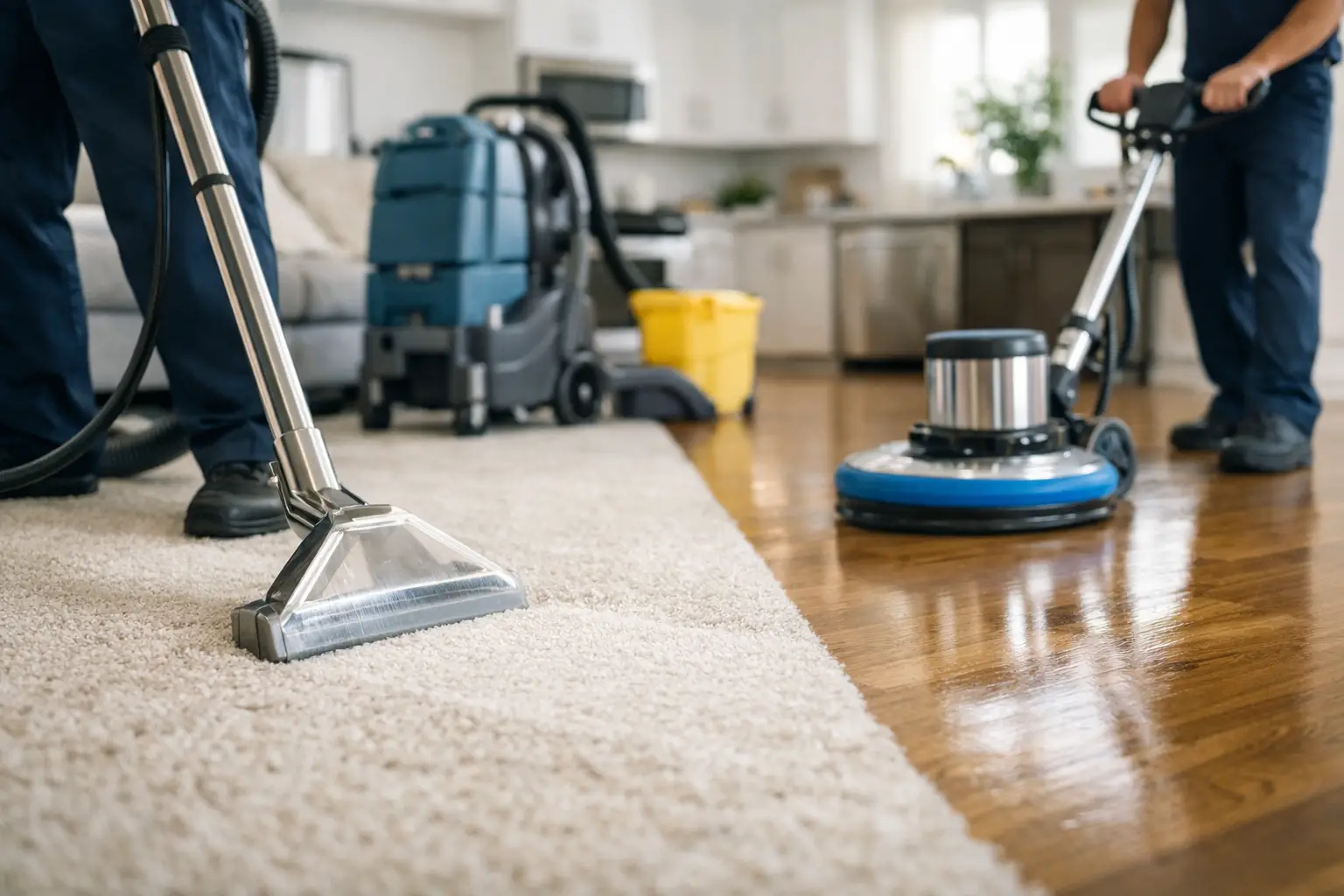
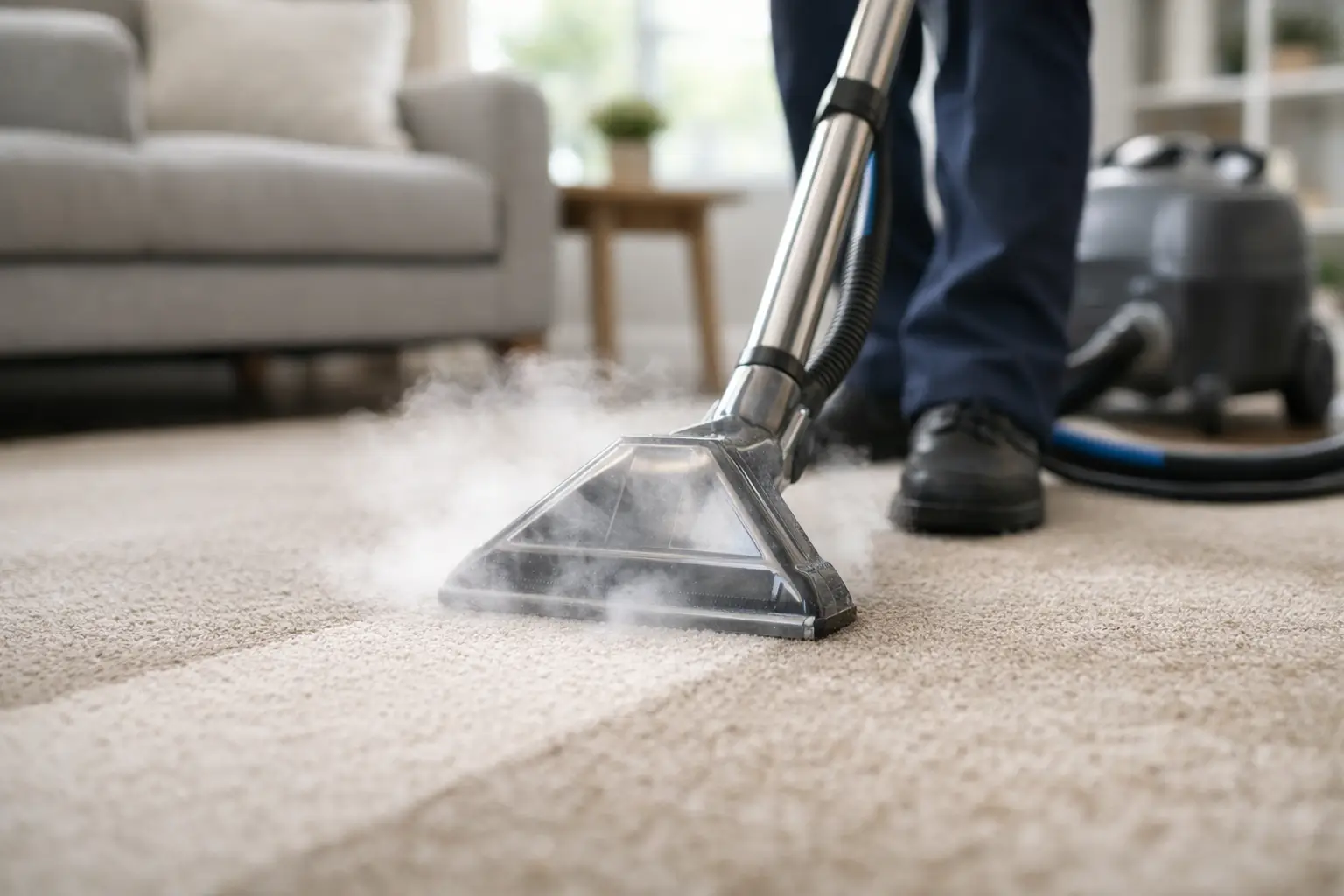
Hot water extraction is genuinely effective against embedded grit. Heated solution and agitation release material from the base of the yarn, and strong vacuum recovery pulls it out along with the soil and cleaning product. For a coastal carpet, that flushing action is the point — far more than the surface appearance improvement people usually associate with a cleaning.
What it will not do is restore fiber that has already been cut. If a hallway has been walked on with sand in it for six years, the yarn in that lane is physically damaged. It will clean up. It will still look different from the protected carpet under the sofa, and any cleaner who tells you otherwise is setting you up to be disappointed.
Salt residue is a smaller factor than most people assume indoors, but it does show up in upholstery on porches, sunrooms, and anywhere beach towels get dropped. Fabric seating in those rooms benefits from a separate look, since the right method for a cushion is not the right method for a floor.
Rentals and Turnover at the Oceanfront
Short-term rental owners face a compressed version of every problem above. A property that turns over weekly from Memorial Day through Labor Day takes roughly a season's worth of residential wear every few weeks, and the cleaning window between guests is measured in hours, not days.
That changes the calculus. Drying time becomes the binding constraint, which sometimes means a lower-moisture approach mid-season and a full extraction during a gap or at the end of the season. Planning that calendar in advance is far cheaper than replacing carpet a year early, and it is worth reviewing our published pricing before you build the season's budget.
The same logic applies to long-term rentals at move-out. If you are handling a turnover, the sequence matters — there is a practical order of operations that keeps a unit from being cleaned twice.
The Short Version
Virginia Beach carpet does not fail because homeowners here are careless. It fails because the local soil is abrasive, the air is humid, and both work continuously. The homes whose carpet lasts are not the ones with the strictest rules — they are the ones that stop sand at the door and flush the pile before the grit has years to do its work.
If your carpet has started to look flat or gray through the traffic areas, it is worth having someone look at it while cleaning can still make a difference. All City Carpet Cleaning And Building Solutions works across Virginia Beach and the surrounding cities, and the first conversation is about what your floor actually needs — not a package.