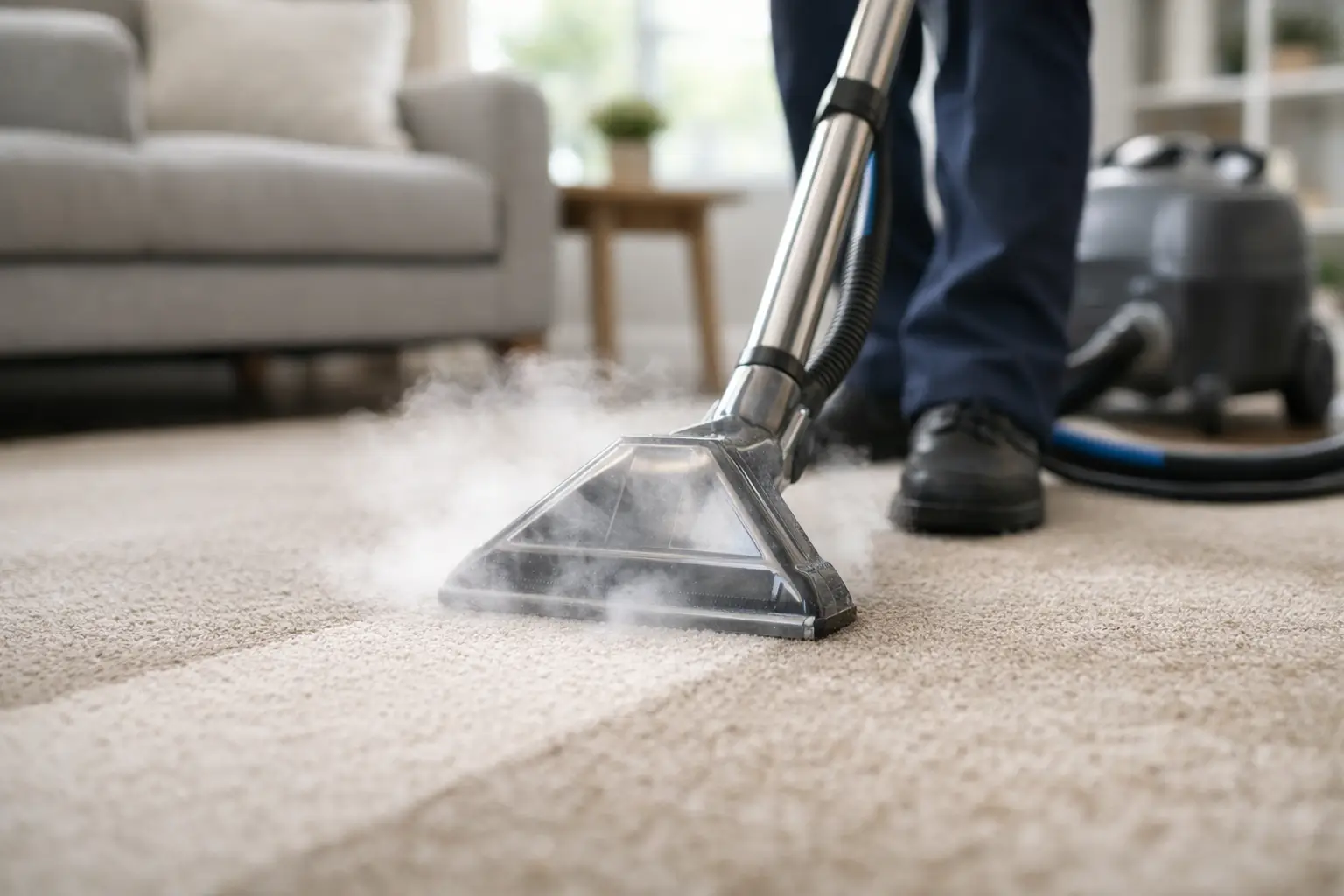
A carpet can look clean on the surface while holding fine soil, food residue, pet dander, and odors deep in the fibers. That is why homeowners and property managers often ask, is steam cleaning carpets the best way to restore a room? For many carpets, professional steam cleaning is an excellent choice. But the right answer depends on the carpet material, the type of soil, the condition of the backing, and how quickly the area needs to dry.
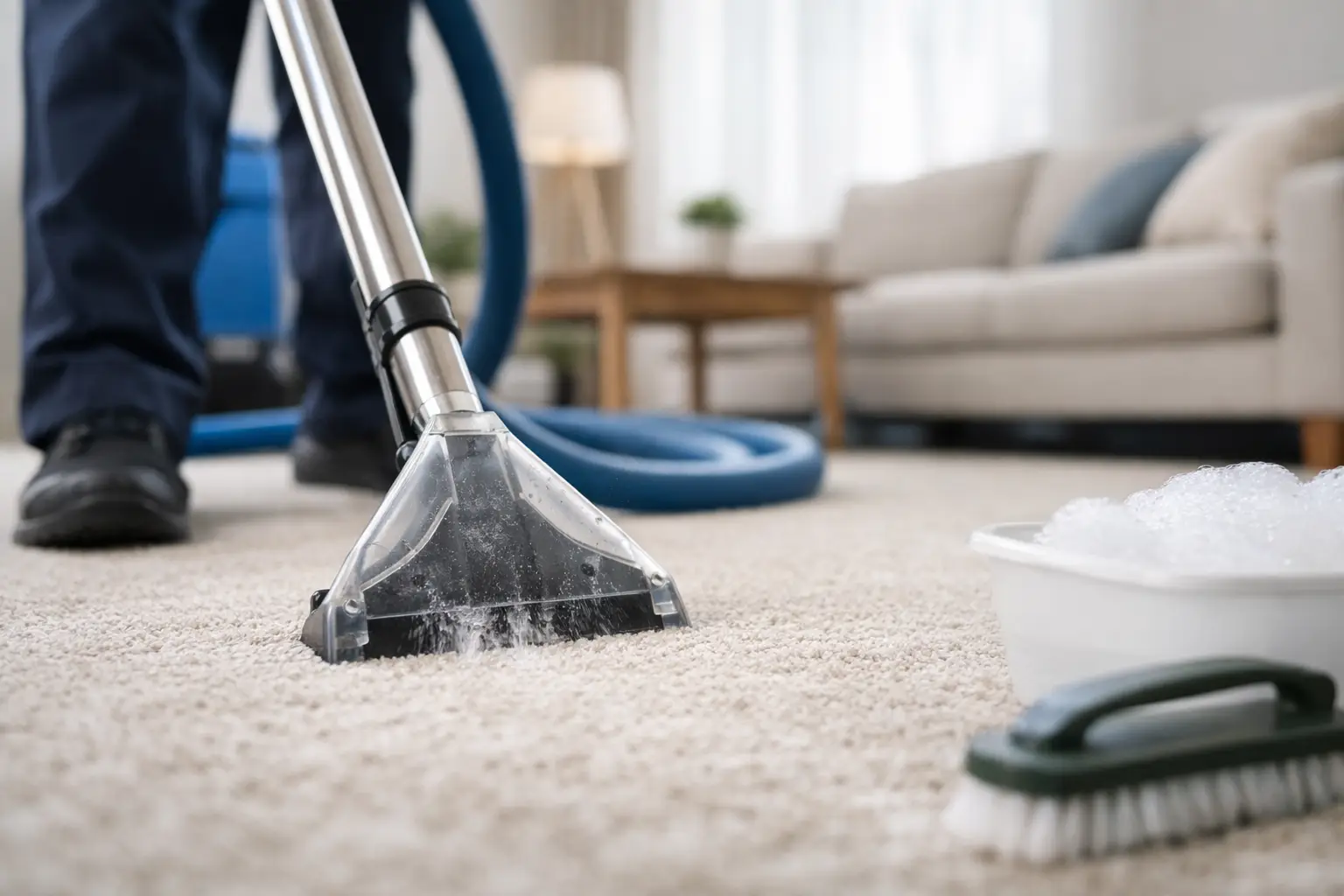
What many people call steam cleaning is more accurately known as hot water extraction. A professional machine applies heated cleaning solution into the carpet, loosens embedded soil, and extracts the water, residue, and contaminants with powerful vacuum recovery. The result is a deeper clean than routine vacuuming or most store-bought rental machines can provide.
Is Steam Cleaning Carpets the Best Method for Every Carpet?
Steam cleaning is often the best all-around option for synthetic residential and commercial carpet, particularly when the goal is to remove accumulated soil, refresh traffic lanes, and improve the overall appearance of the flooring. It reaches beyond the fiber tips, where much of the dirt that dulls a carpet actually settles.
It is especially effective after a busy season of guests, during a move-out or move-in, before listing a property, or when an office carpet has begun to look worn near entrances, hallways, and workstations. Proper hot water extraction can also help remove residues left behind by household spot cleaners, which may attract more soil if they are not fully rinsed out.
Still, “best” should not mean automatic. Some carpets require a lower-moisture process, gentler products, or careful testing before cleaning. Natural fibers such as wool, older carpets with unstable dyes, and carpets with pre-existing damage need an experienced assessment. Excessive moisture or the wrong chemistry can create problems that a quality cleaning company should work to avoid.
Why Deep Extraction Makes a Visible Difference
Vacuuming is essential, but it is a maintenance step rather than a complete carpet-cleaning solution. Even a strong vacuum cannot remove every oily residue, fine particle, or sticky substance that binds soil to carpet fibers. Over time, that buildup can make a carpet feel rough, appear gray or matted, and hold odors longer than it should.
Professional hot water extraction addresses that buildup in several ways. Heated solution helps break up oils and soil. Agitation helps release debris from the fibers. Then high-powered extraction removes a significant amount of the loosened material along with the cleaning solution.
The extraction step matters as much as the water. A carpet should not be left soaked after cleaning. Proper equipment, trained technique, appropriate solution levels, and airflow all contribute to a clean carpet that dries efficiently. In most normal conditions, carpets dry within several hours, though humidity, carpet thickness, ventilation, and the amount of soil being treated can extend that window.
For Hampton Roads homes and businesses, seasonal humidity is one reason professional drying practices matter. Opening access to airflow, adjusting the thermostat, and limiting foot traffic until the carpet is dry can help protect the result.
What Steam Cleaning Can Help With
Hot water extraction is a practical option for general soil buildup, tracked-in dirt, food and beverage spills, pet-related odors, and dull traffic patterns. It can make carpet colors look clearer and help fibers stand up better when matting is caused by soil rather than permanent wear.
It is not a guarantee that every mark will disappear. Bleach damage, paint, ink, dye transfer, burns, and stains that have permanently changed the fiber color may require specialized treatment or may not be fully correctable. Honest carpet care means setting realistic expectations before work begins, not promising a miracle after years of wear.
When Another Carpet Cleaning Method May Be Better
Low-moisture encapsulation cleaning can be a smart alternative in some commercial settings. This method uses less water and can offer faster dry times, which is helpful for offices, retail spaces, and facilities that need to reopen quickly. It is often a strong maintenance choice between deeper extraction appointments.
Dry compound cleaning may be considered for certain delicate materials or areas where moisture must be kept to a minimum. Bonnet cleaning can improve surface appearance in large commercial areas, but it generally does not provide the same deep flushing effect as hot water extraction. It may be useful as part of a maintenance program, rather than the only cleaning method used over time.
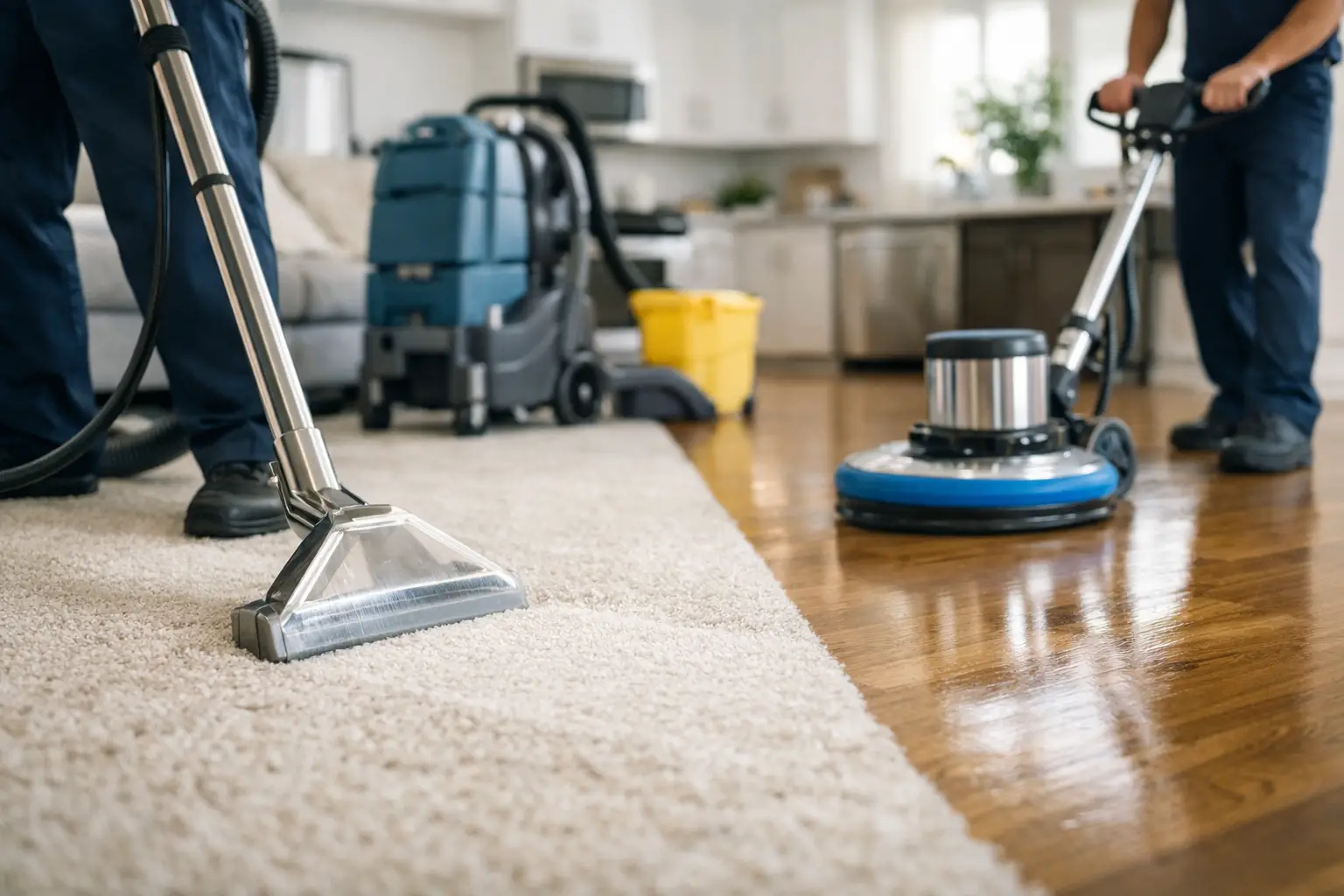
The best approach can also be a combination. For example, a property may benefit from routine low-moisture cleaning to keep daily traffic under control, followed by periodic hot water extraction to remove deeper buildup. A professional should recommend the method that fits the carpet, building schedule, and cleaning goals instead of applying one process to every job.
The Difference Between Professional Service and a Rental Machine
Rental carpet cleaners can be helpful for a small, fresh spill or a temporary touch-up. They are not necessarily a replacement for professional equipment and experience. Rental units typically have less vacuum power, less heat consistency, and less ability to recover moisture from deeper in the carpet.
Over-wetting is one of the common concerns with do-it-yourself carpet cleaning. When too much solution is used or too little is extracted, the carpet can take much longer to dry. That can leave the area uncomfortable to use and may contribute to odors if the carpet remains damp for an extended period.
Product selection is another concern. Using too much detergent, the wrong spot remover, or a product that is not suitable for a particular fiber can leave residue or affect the carpet's appearance. A trained cleaning technician evaluates the carpet construction, tests questionable spots when needed, pre-treats problem areas, and adjusts the process based on what the carpet requires.
How to Get Better Results From Steam Cleaning
The preparation before a professional appointment is simple but useful. Vacuuming thoroughly ahead of time removes loose dry soil so the cleaning process can focus on embedded dirt. Clearing smaller items, fragile décor, and personal belongings from the carpeted area helps the work move efficiently.
Point out stains, pet areas, and high-traffic sections before cleaning begins. Details such as whether a spill is recent, whether a pet has repeatedly used one location, or whether a previous cleaner was applied can help determine the right treatment. For commercial properties, it also helps to identify access points, furniture-moving expectations, drying-time requirements, and any areas that must remain open during service.
After cleaning, allow the carpet to dry before replacing furniture or walking heavily across it. Use protective tabs or blocks under furniture legs if recommended. Good ventilation and normal indoor airflow can speed drying, while clean entry mats and regular vacuuming help preserve the freshly cleaned look.
How Often Should Carpet Be Professionally Cleaned?
The right frequency depends on how the space is used. A low-traffic home may need professional cleaning every 12 to 18 months. Homes with children, pets, allergies, or frequent visitors may benefit from service every 6 to 12 months. Businesses, rental properties, and offices with regular foot traffic may require a more structured schedule to keep flooring presentable and protect the investment.
Waiting until a carpet looks heavily soiled is not always the most economical approach. Ground-in grit can wear down fibers over time, particularly in entryways and hallways. Routine professional care can help maintain appearance, reduce lingering odors, and extend the useful life of the carpet.
Choose the Method Based on Your Carpet, Not a Catchphrase
Steam cleaning is one of the most effective methods available for many carpets because it combines cleaning action with deep extraction. It is not automatically the best answer for every fiber, stain, or building schedule. The best service begins with an evaluation, uses the appropriate process, and focuses on clean results without unnecessary moisture or unrealistic promises.
For homes, offices, and managed properties, All City Carpet Cleaning & Building Solutions brings professional care and local accountability to each project. A clean carpet should do more than look better for a day. With the right method and proper maintenance, it can help your space feel fresher, more welcoming, and ready for the people who use it.