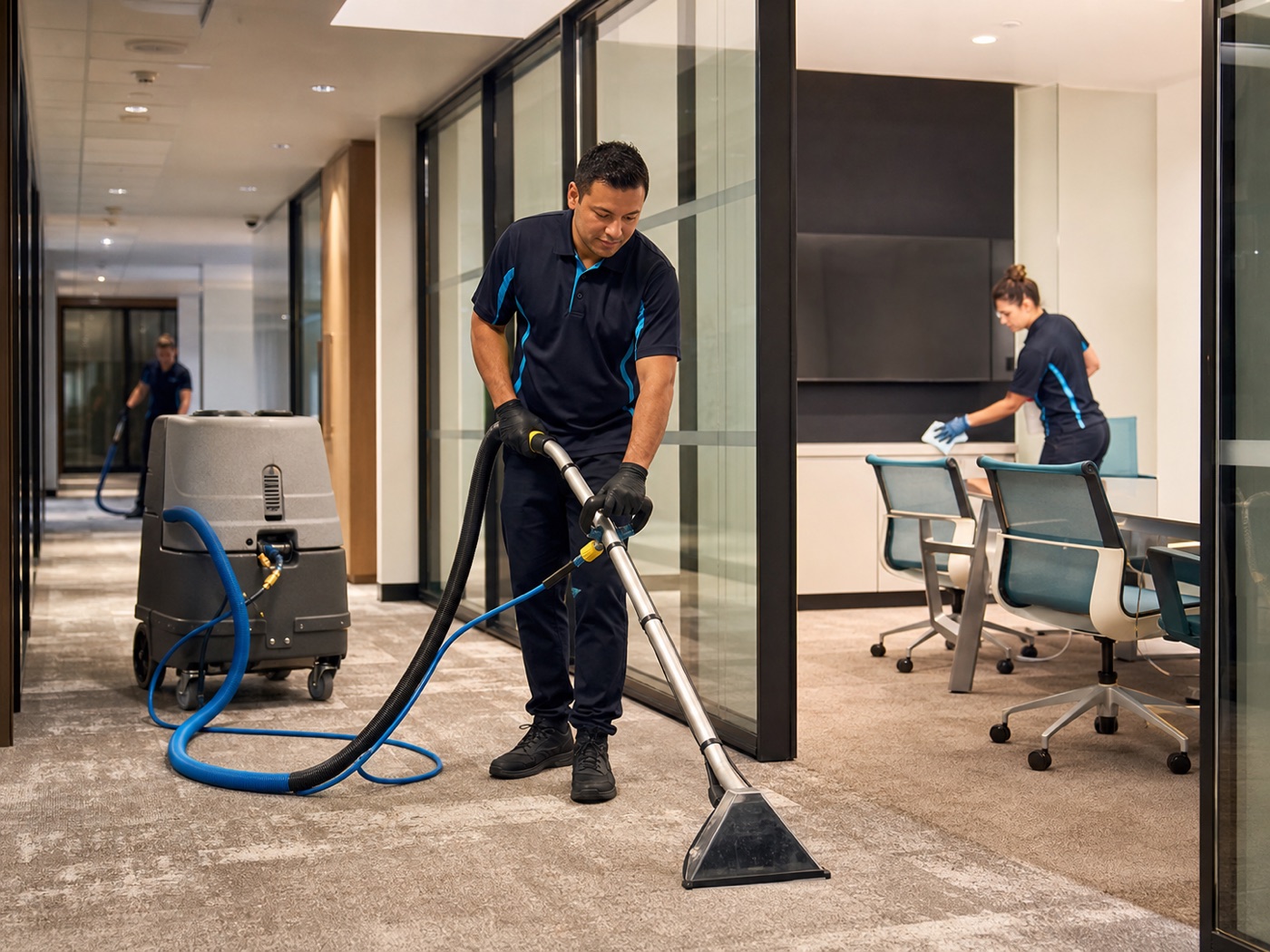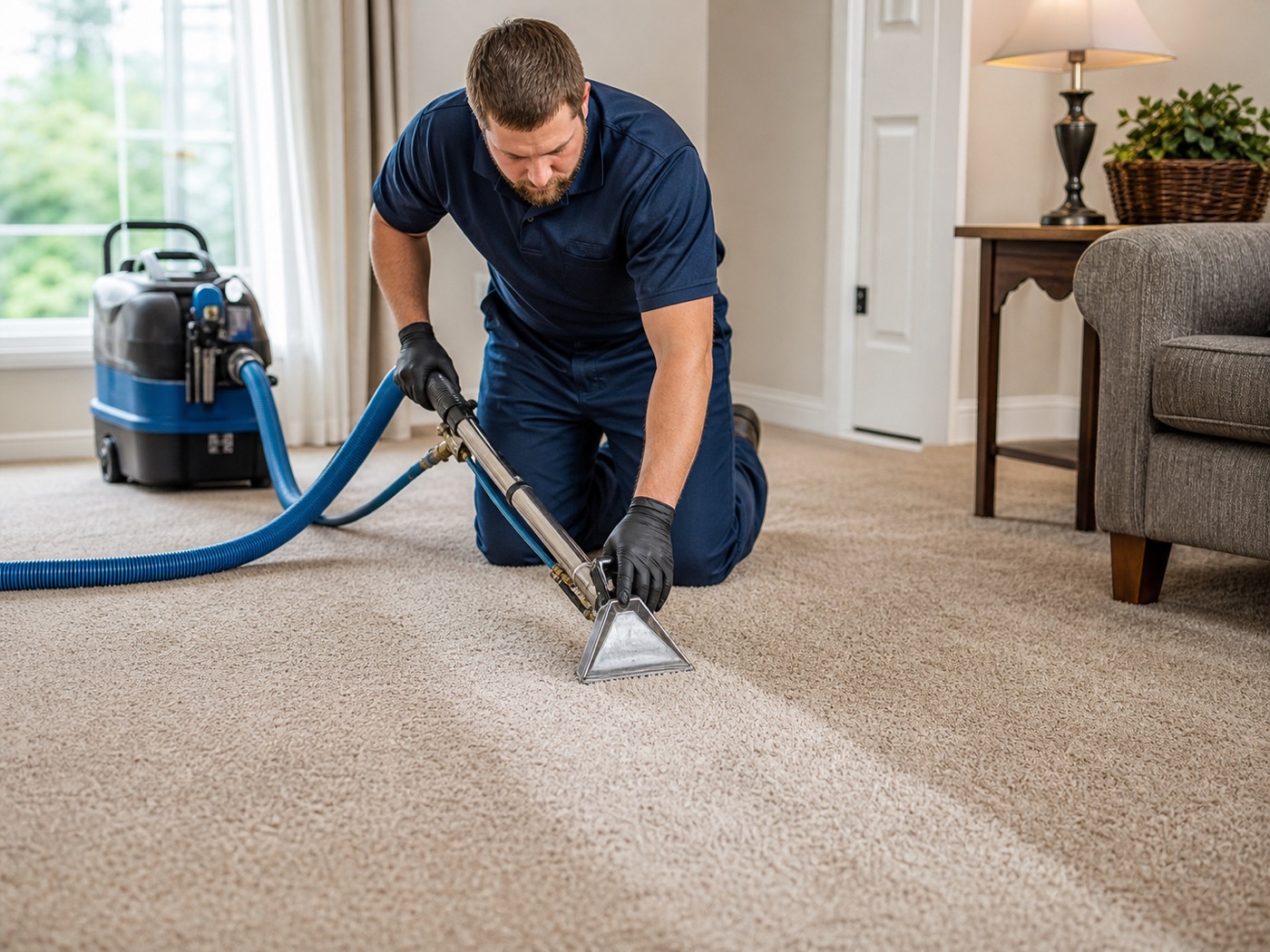
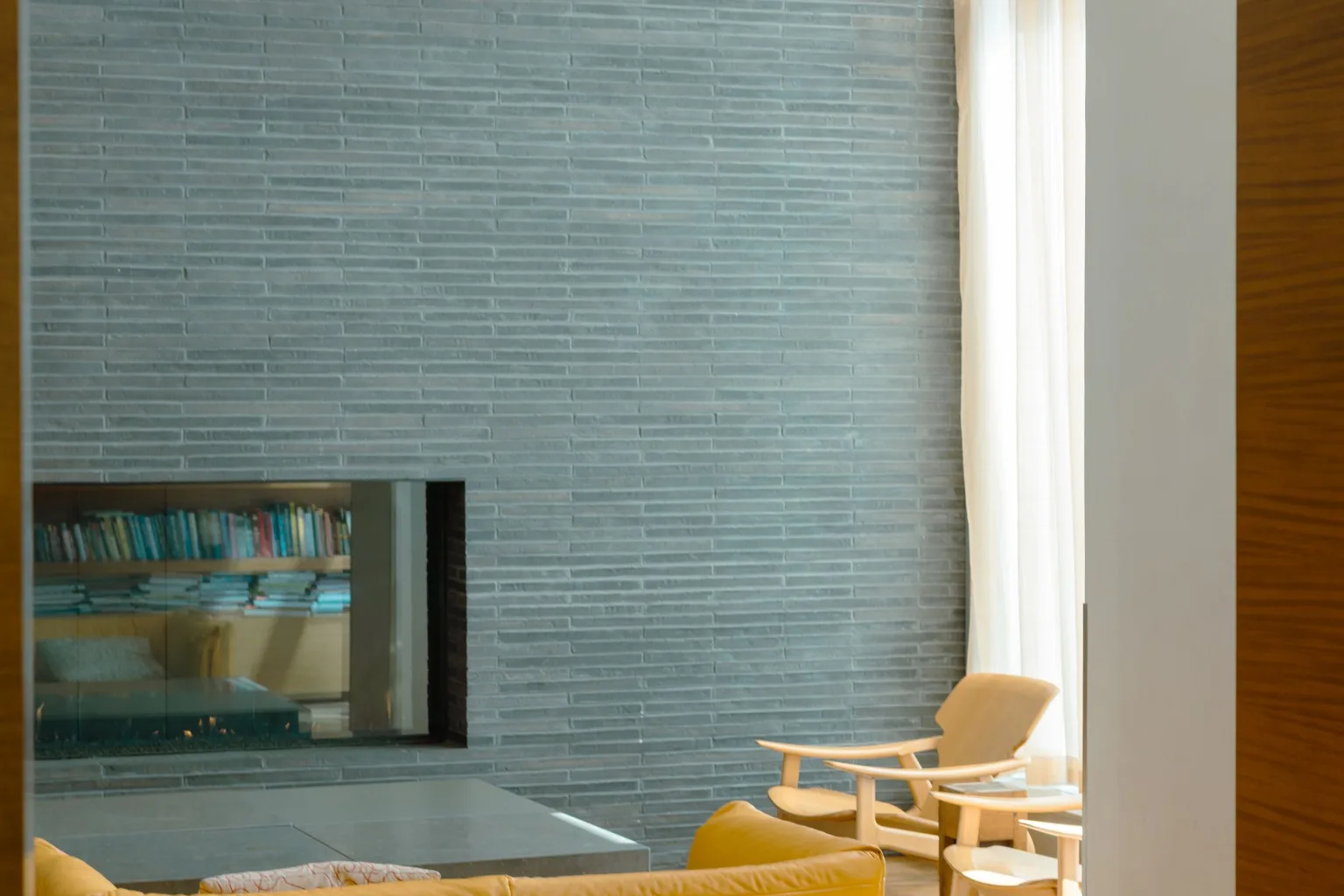
Apartment communities put real budget and design attention into clubhouses, fitness centers, coworking lounges, and resident lounges, because these spaces are what sell a lease. Then, once the ribbon-cutting excitement fades, the carpet in those same rooms often falls into a maintenance gap that individual units never experience.
Unit turnover cleaning happens on a predictable trigger: a lease ends, a unit needs to be ready for the next tenant, and cleaning gets scheduled around that move-out date. Amenity spaces have no equivalent trigger. Nobody moves out of a clubhouse, so nothing forces the cleaning conversation the way a lease expiration does, and that's exactly how these rooms end up cleaned reactively instead of on a real schedule.
More Traffic Than Any Single Unit
A single apartment's carpet takes wear from one household, maybe two if there's a roommate situation. A community clubhouse or fitness center takes traffic from every resident who chooses to use it, which on a property with a couple hundred units can mean dozens of separate visits a day moving across the same stretch of carpet.
Fitness centers in particular concentrate soil faster than almost any other amenity space. Outdoor shoes tracking in whatever residents walked through that day, sweat, spilled water bottles, and rubber gym mat residue all land on carpet at the fitness center's edges and entry points, well past what a lounge or clubhouse sees from foot traffic alone.
Resident lounges and coworking spaces have their own version of the problem — coffee spills, food brought in for informal meetings, and long stretches of continuous use during business hours that a standard unit never sees on that scale in a single day.
Why These Spaces Get Overlooked
Property management teams are structured around units. Leasing staff track move-ins and move-outs, maintenance tracks work orders tied to specific apartment numbers, and the budget conversation for cleaning tends to follow that same per-unit logic. Amenity space carpet doesn't fit cleanly into that structure, so it's easy for it to fall to whoever happens to notice it looks worn, rather than living on anyone's calendar.
There's also a visibility mismatch working against these rooms. A resident's own unit gets inspected at move-in and move-out, creating natural checkpoints where carpet condition gets evaluated. A clubhouse carpet just sits there, slowly wearing down, with no equivalent checkpoint forcing anyone to formally assess it until it's visibly bad enough that a resident or a leasing tour mentions it.
The Leasing and Retention Connection
These are precisely the rooms a prospective tenant walks through on a leasing tour, often before ever seeing the actual unit they'd rent. A clubhouse with matted, discolored carpet undercuts every other positive impression the tour is trying to create, regardless of how well the model unit shows.
For existing residents, well-kept amenity spaces play into retention in a way that's harder to measure but still real. A fitness center or lounge that feels clean and cared for reinforces the sense that the whole property is well-managed, while worn carpet in shared spaces can quietly erode that impression even for residents who are otherwise satisfied with their own unit.
Why Amenity Space Cleaning Deserves Its Own Budget Line
Because amenity space carpet has no equivalent to a move-out date, it often gets funded, if at all, out of a general facilities maintenance budget rather than a dedicated line item the way unit turnovers are. That ambiguity is part of why it's easy to defer — there's no specific trigger forcing anyone to decide it's time, the way an approaching move-out date forces a turnover cleaning decision.
Property managers who've had success keeping these spaces consistently presentable tend to treat them the same way they'd treat any recurring operating expense — a fixed monthly or bimonthly line item with a set scope, rather than a discretionary spend that competes with every other maintenance priority that comes up during the year. That structure removes the guesswork and the tendency for amenity space cleaning to keep getting pushed to next quarter.
This is also where multi-property management companies can gain some efficiency by standardizing amenity space cleaning across their whole portfolio rather than handling it property by property. A consistent schedule and vendor relationship across several communities tends to produce more reliable results than each property manager independently deciding when a clubhouse finally looks bad enough to warrant a call.
Scheduling Around Resident Use, Not Staff Convenience
Amenity spaces are typically expected to be available to residents around the clock, which makes scheduling cleaning trickier than a vacant unit turnover. Cleaning during peak gym hours or when the lounge is full of residents working defeats the purpose and creates friction that a well-run property should avoid.
Early morning windows, before the fitness center's usual rush, or late evening slots after most residents have settled in for the night, let a full cleaning happen without shutting residents out of a space they pay amenity fees to access. A property manager who understands their own community's actual usage patterns can usually find a consistent two-to-three-hour window that works week after week rather than negotiating a new time slot every visit.
- Treat amenity spaces as their own line item, separate from unit turnover cleaning, on a fixed monthly or bimonthly calendar
- Prioritize the fitness center and clubhouse entrance first, since those wear fastest and show up most on leasing tours
- Coordinate cleaning windows around actual resident usage hours rather than staff convenience
- Include amenity space carpet in the same walkthrough that covers common area maintenance so it doesn't fall outside anyone's checklist
A resident-facing carpet protector treatment applied to amenity space carpet after a deep clean can also extend the time between full cleanings, particularly for fitness centers where soil accumulates fastest. It's a modest add-on cost relative to how much wear these spaces absorb compared to a typical unit.
It's also worth building a simple inspection routine into regular property walkthroughs, similar to how a maintenance team already checks common area lighting or landscaping on a set cadence. A quick visual and physical check of amenity space carpet — does it spring back underfoot, is there visible matting near entry points, is there any odor near seating areas — catches problems early enough that a routine cleaning handles them, rather than waiting until the wear is bad enough that a resident or prospective tenant brings it up first.
Seasonal Timing Worth Building Into the Calendar
Fall is a particularly good window to reset amenity space carpet before the holiday season brings a spike in clubhouse use for resident events, package pickup traffic through the lounge, and generally more indoor gathering as outdoor amenities like pools and grilling areas see less use. A clubhouse that gets a deep clean in October is starting the higher-use holiday stretch from a clean baseline rather than already carrying a summer's worth of accumulated wear into it.
Fitness centers see their own seasonal bump as outdoor exercise becomes less appealing with shorter days and cooler weather, which means fall is also when fitness center carpet usage tends to climb even as other amenity spaces might see relatively steady use. Timing a cleaning to land just before that seasonal shift, rather than after usage has already picked up, keeps the space in good condition through the exact stretch when it's getting used the most.
Leasing activity also has its own seasonal rhythm, and while the busiest leasing months tend to cluster around summer, prospective tenants tour year-round, and a property that maintains its amenity spaces consistently rather than letting them cycle between good and neglected avoids ever having a tour land during a rough patch.
- Schedule a fall reset before the holiday season increases clubhouse and lounge traffic
- Anticipate a fitness center usage bump as outdoor exercise options become less appealing
- Keep amenity spaces on a consistent cycle rather than letting quality swing between deep-clean and neglected
- Loop amenity space condition into the same reporting property managers already do for other common area maintenance
All City Carpet Cleaning And Building Solutions builds recurring amenity space cleaning schedules for property managers across Virginia Beach, Norfolk, Chesapeake, Suffolk, Hampton, Portsmouth, and Smithfield, with pricing built around ongoing service rather than one-off visits.