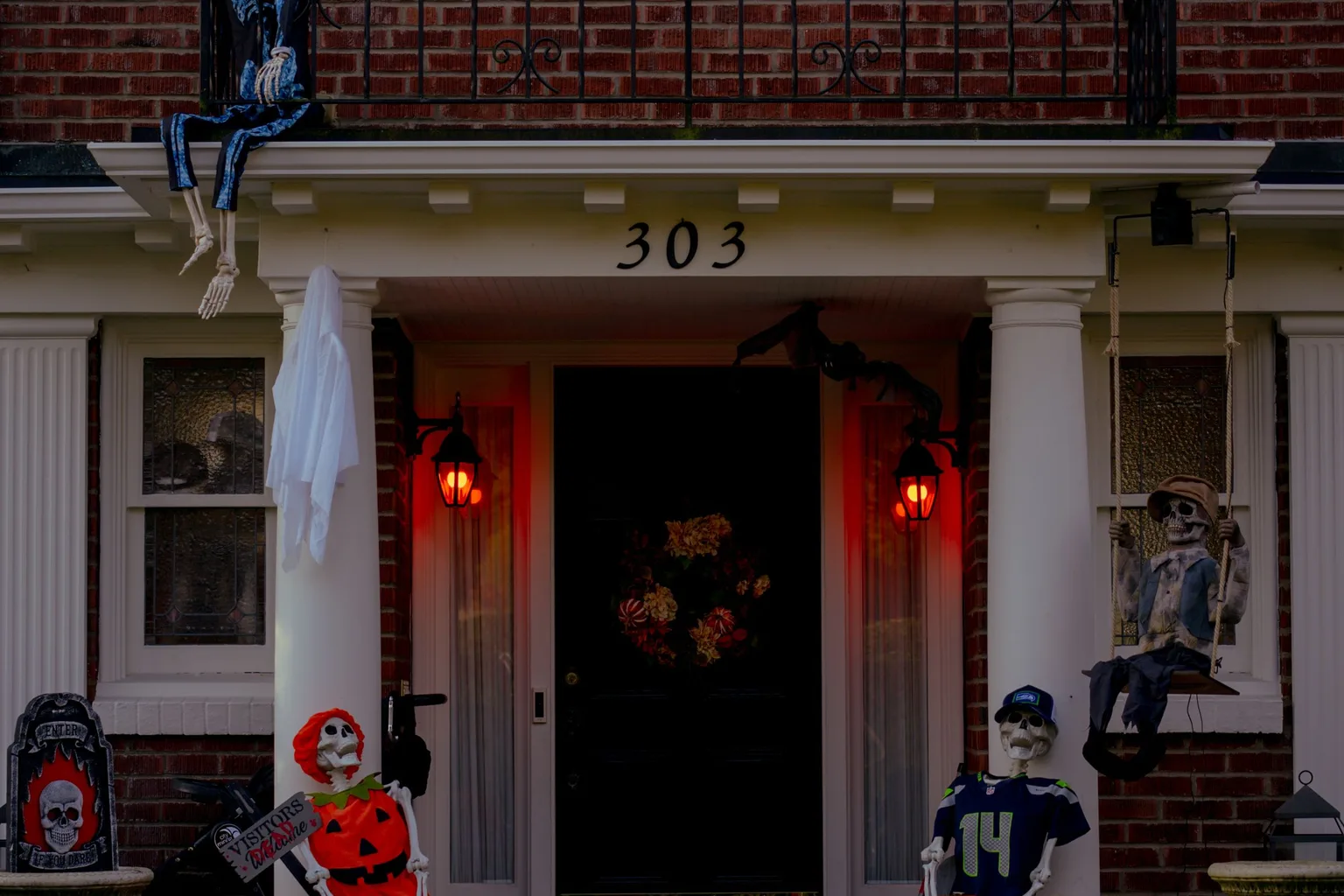
Most nights, an entryway sees a manageable trickle of foot traffic — family members coming and going, the occasional delivery, a visitor or two. Halloween night is a different animal entirely, and it is worth treating the entryway carpet as facing a genuinely unusual event rather than just another evening.
A house on an active trick-or-treat route can answer the door fifty to well over a hundred times in a two or three hour window, and each of those interactions typically involves the door standing open for a stretch, often with a step or two of actual foot traffic crossing directly onto the entry carpet.
What Actually Causes the Wear
It is tempting to picture muddy costumes as the main threat, but for most households the bigger contributors are less dramatic and more persistent: dropped candy and wrappers, general soil tracked in from an evening of repeated door traffic, and whatever moisture is in the air on a given October night, whether that is rain, dew, or just cool, damp evening air.
The repeated opening and closing of the door also matters on its own. Every open door is a brief opportunity for outside air, and whatever it is carrying, to move into the entryway, and on Halloween night that happens dozens of times in rapid succession rather than the handful of times a normal evening sees.
Households also handing out candy from a bowl positioned near the door add their own contribution — spilled candy, dropped wrappers, and the occasional sticky handprint on nearby surfaces, all concentrated in the same small entry zone that is also absorbing the door traffic.
The Mat That Actually Helps
A surprising number of Hampton Roads households do not have a functional entry mat in place during regular use, relying instead on carpet meeting the world directly at the threshold. Halloween is a good occasion to fix that, even temporarily, because a simple absorbent mat just inside the door does real work during a night of unusually heavy traffic.
The mat does not need to be elaborate. Positioned naturally in the spot where someone stands to receive candy — which for most front doors is directly on the threshold — it catches a meaningful share of whatever is on shoes without requiring any behavior change from a stream of excited trick-or-treaters who are not going to remember to wipe their feet.
Porch Lights and How Much Traffic to Expect
Not every entryway sees the same level of Halloween traffic, and it is worth thinking honestly about where a given house falls before deciding how much preparation is warranted.
Houses on a cul-de-sac, in a dense neighborhood with sidewalks, or known locally as a reliably generous stop tend to see the heaviest volume, sometimes well into the hundreds of visitors over a couple of hours. Houses on busier streets without sidewalks, set back further from the road, or in newer neighborhoods still establishing their trick-or-treat reputation typically see meaningfully less. A household new to a neighborhood can get a reasonable estimate simply by asking longtime neighbors what to expect, which helps calibrate how much entry protection is actually worth setting up.
For the highest-traffic addresses, it is also worth considering handing out candy from the edge of the porch or driveway rather than the doorway itself, which keeps the bulk of foot traffic off the entry carpet entirely and shifts the wear onto a porch or exterior surface built to handle it.
The Candy Bowl Factor
Where the candy bowl sits relative to the carpet is worth a moment's thought, since it is the single most active spot in the entryway all night and the source of most of the sticky, sugary mess that actually needs cleanup.
A candy bowl positioned on a small table or stand rather than held at floor level or set directly on carpeted flooring reduces spills significantly, since dropped candy from table height is easier to see and retrieve than candy that rolls off a lap or a low surface directly onto the carpet where it can go unnoticed until it is stepped on.
For households also managing their own kids heading out trick-or-treating from the same door, staging a spot for costumes, candy bags, and shoes near — but not directly on — the busiest section of entry carpet keeps that gear from adding its own layer of mess on top of the visitor traffic.
The Morning-After Routine
A thorough vacuum of the entry and the immediate path leading from it, done the morning after rather than left for the weekend, catches the overwhelming majority of what a busy Halloween night leaves behind. Waiting even a few days lets any sticky candy residue set further into the fiber and gives dropped wrappers and debris more chances to get further trodden in by regular household traffic.
Check specifically for anything sticky rather than relying on a visual scan alone — melted chocolate or caramel residue does not always look obviously different from clean carpet at a glance, but it feels distinctly tacky underfoot, and it is worth running a hand over the area if the entry saw heavy candy-related traffic.
Spot-treat anything sticky with a mild detergent solution, blotting rather than rubbing, and let it dry fully before assuming it has been fully addressed — a spot that seems resolved while still damp can reveal a faint residual stain once it dries if the treatment was not thorough.
Weather Adds Its Own Variable
Halloween night weather in Hampton Roads is genuinely unpredictable from year to year — some years bring a crisp, dry evening, and others bring a cold rain that turns every trick-or-treater's shoes into a small delivery system for moisture straight onto the entry carpet.
On a wet Halloween, the mat and matting strategy matters even more than usual, and it is worth having a backup towel or two near the door specifically for that scenario, since a single mat can become saturated well before the night is over on a genuinely rainy evening. Checking the forecast a day or two ahead lets a household decide whether extra precautions are worth setting up before the first trick-or-treater arrives rather than reacting mid-evening.
A cold, dry Halloween has its own smaller issue worth knowing about: static electricity builds up more readily on dry carpet in cool weather, which occasionally means small shocks at the door as people reach out for candy. It is a minor annoyance rather than a cleaning issue, but it is worth knowing the two are related, and a good carpet cleaning service can advise on humidity and fiber factors that make it worse.
Planning Ahead for Next Year
For households on an active trick-or-treat route who go through this every year, it is worth building a light annual routine around it rather than treating each Halloween as a surprise. Keeping a dedicated Halloween mat stored with the seasonal decorations, having a designated candy bowl table ready to go, and doing the morning-after vacuum as a standing habit turns what could be an annual cleaning headache into a five-minute routine.
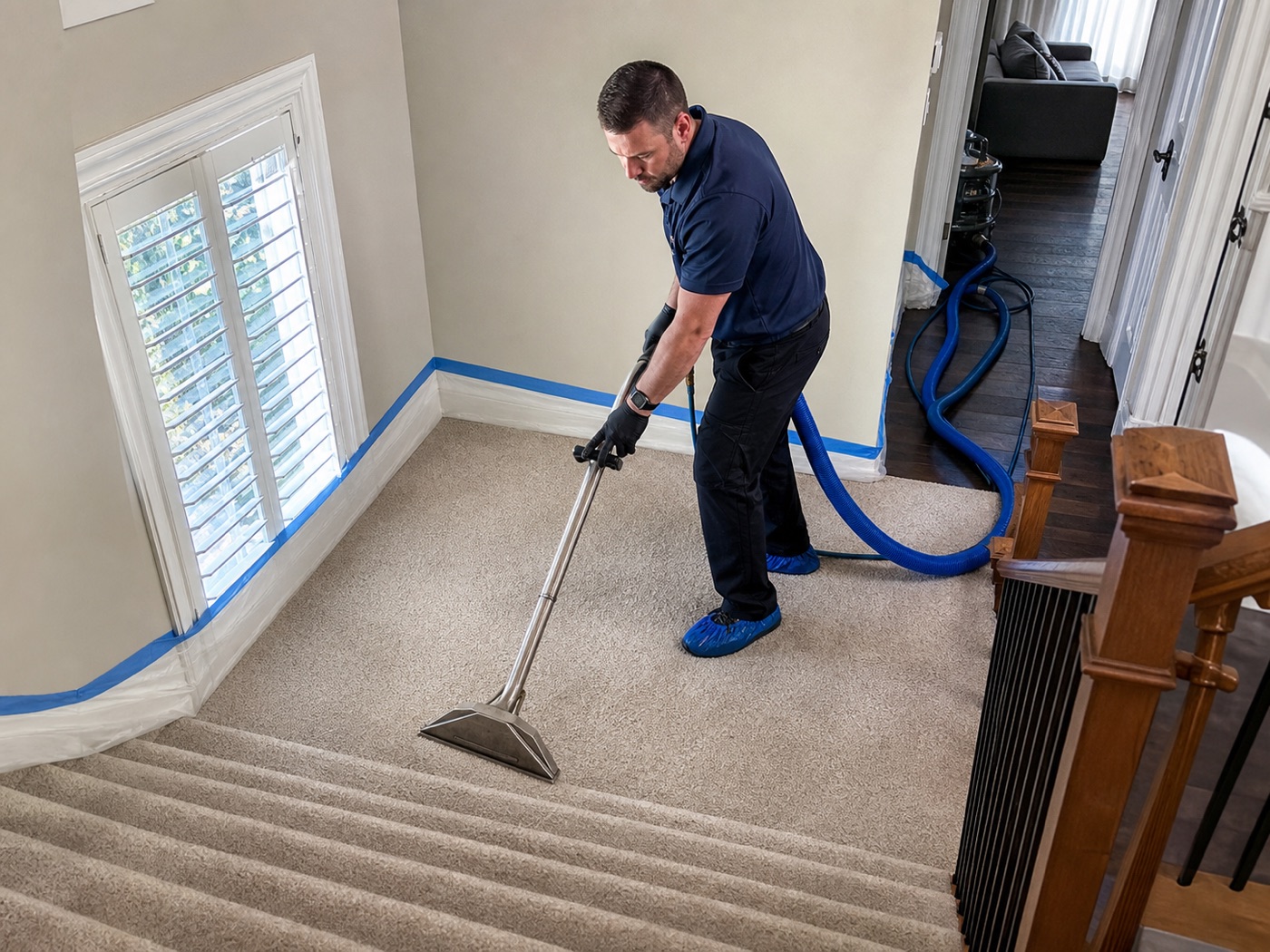
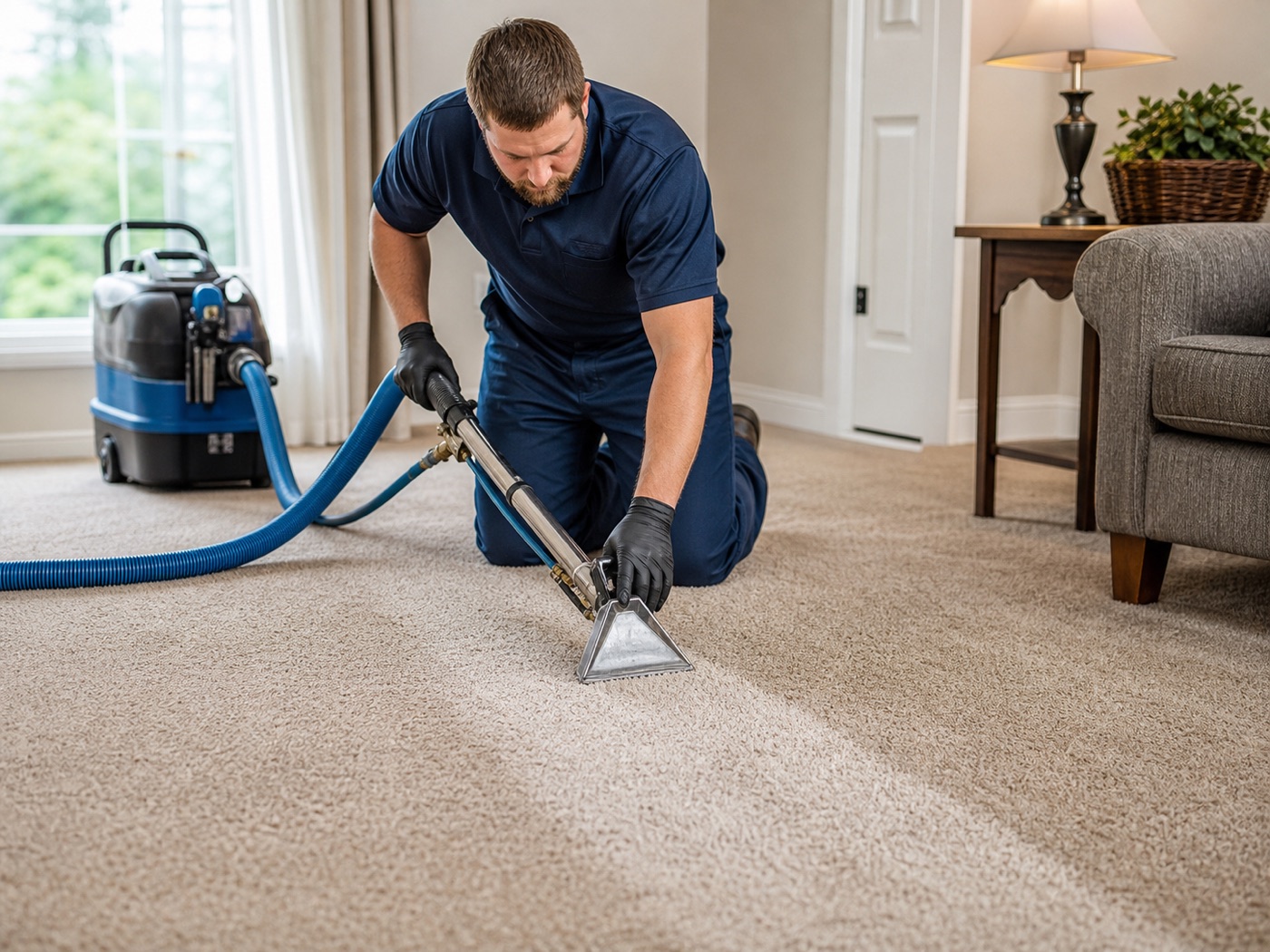
For entry carpet that has taken several years of cumulative Halloween wear on top of everything else the front door sees through the rest of the year, a professional cleaning ahead of the holiday season resets the whole area before winter traffic adds its own layer on top.
It is a small annual investment relative to what a genuinely worn entryway costs to replace, and it keeps the first thing every guest and every trick-or-treater sees looking like the rest of a well-kept home rather than the one visibly tired spot in it, especially heading into the months when the front door gets more use, from Halloween through the holiday season, than at any other point in the year.
All City Carpet Cleaning And Building Solutions helps households across Virginia Beach, Norfolk, Chesapeake, Suffolk, Hampton, Portsmouth, and Smithfield keep entryways ready for whatever the season brings, with pricing published up front.