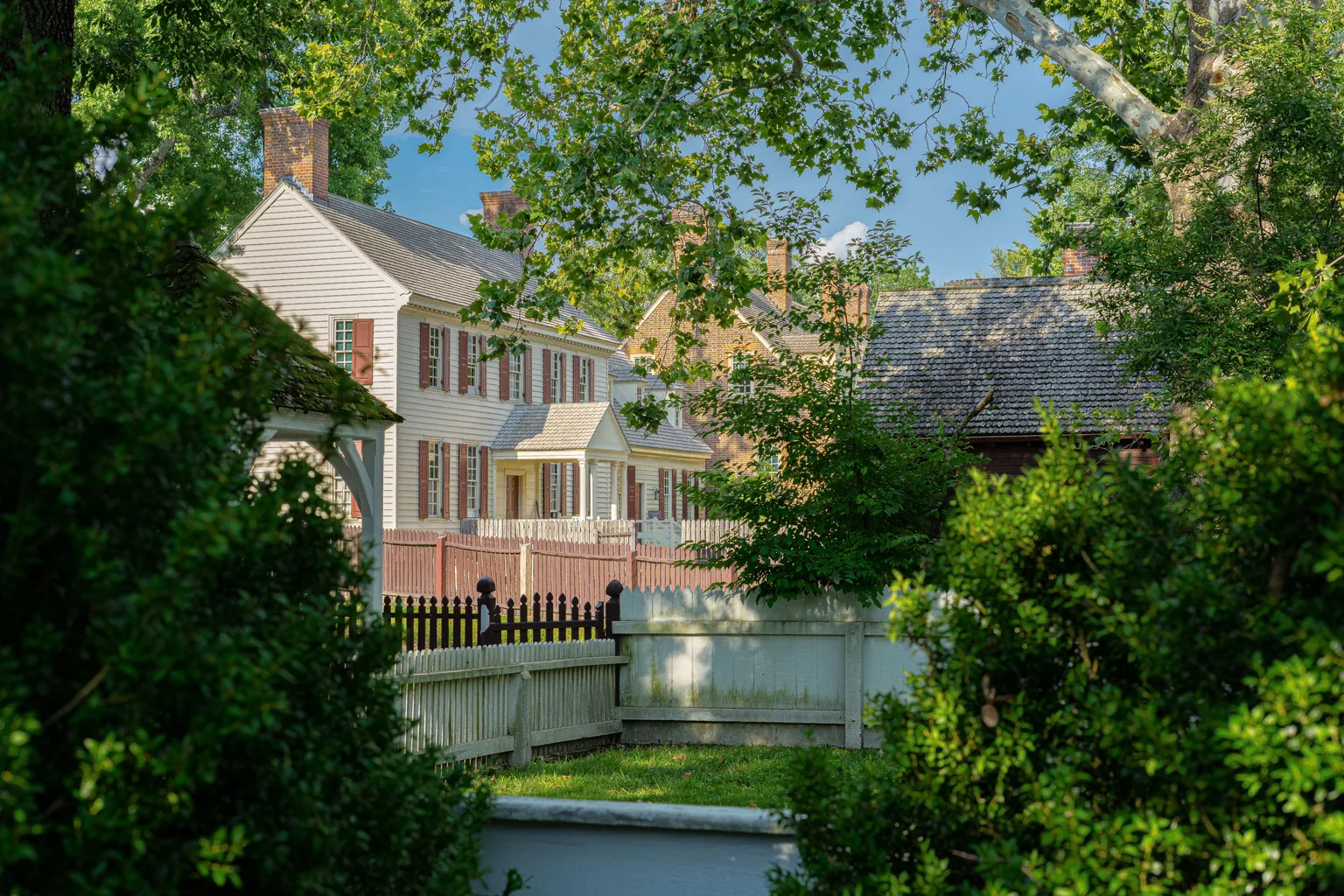
Olde Towne Portsmouth contains one of the largest concentrations of historic homes between Alexandria and Charleston, with buildings spanning the late eighteenth century through the Victorian era. Walk down London, Court, or North Street and you are looking at floors that have been in continuous use longer than most American cities have existed.
Those floors are remarkable and they are also fragile in ways that are not obvious. The single most common way they get damaged is not neglect — it is a competent, standard cleaning process applied by someone who did not stop to ask what they were cleaning.
Heart Pine and Why Water Is the Enemy
The wood floors in these houses are typically heart pine, cut from old-growth longleaf pine that no longer exists at that quality. It is dense for a softwood, beautifully figured, and irreplaceable — but it is still a softwood, and it has usually been finished, refinished, waxed, and re-waxed by a dozen owners across two hundred years.
Whatever is on the surface now may be shellac, early varnish, penetrating oil, paste wax, modern polyurethane, or a geological sequence of several. Shellac in particular dissolves in alcohol and clouds badly with water, and there is no way to know what you have by looking at it in a dim hallway.
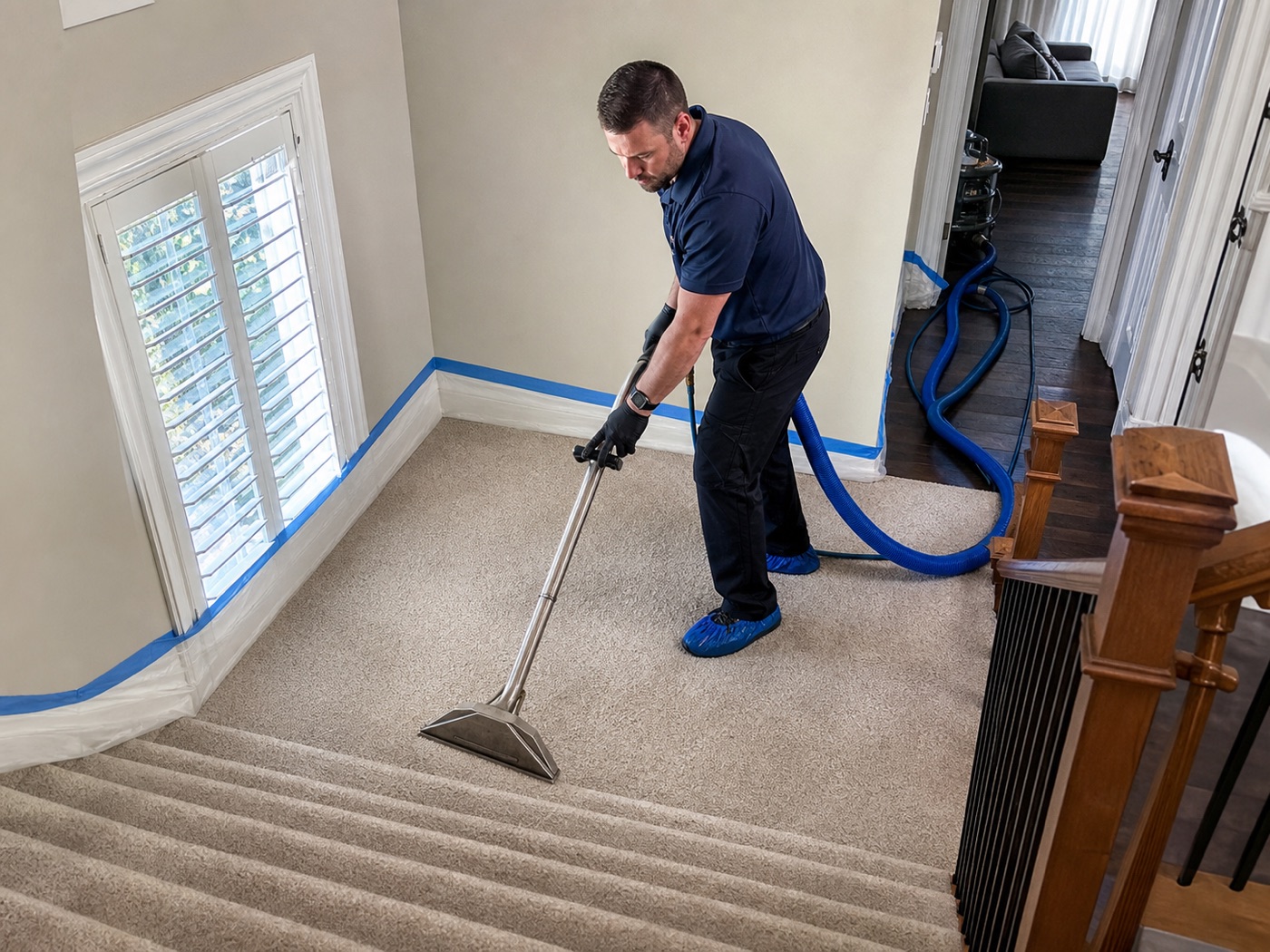
The practical consequence is restraint. Standing water on an old wood floor causes cupping as the boards absorb moisture unevenly, and it lifts or blushes finishes that were never designed for it. Where carpet has been laid over these floors — which is common, and which many owners are slowly reversing — cleaning that carpet means keeping moisture from reaching the wood underneath. Less solution, more recovery passes, and a real conversation about drying before anyone starts.
Identify the Tile Before Touching It
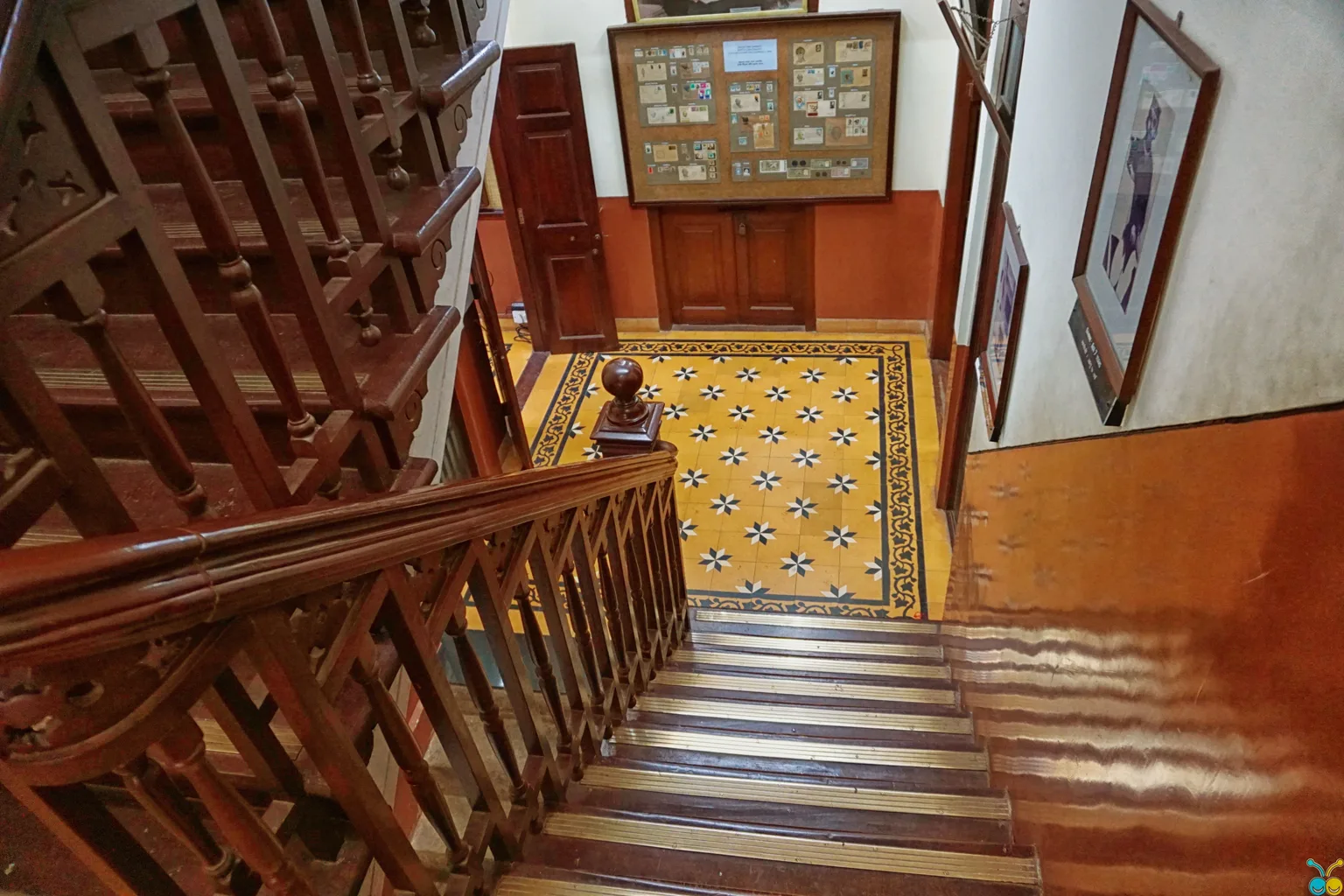
Original entries and hearths in these homes turn up in several materials, and the products that clean one can permanently damage another.
| Material | Where it shows up | What damages it |
|---|---|---|
| Encaustic tile | Entries, vestibules, hearths | Acids, aggressive scrubbing, sealers that trap moisture |
| Unglazed quarry tile | Kitchens, service areas, porches | Strong acids; it also stains readily when unsealed |
| Marble and limestone | Fireplace surrounds, entries in grander homes | Any acid at all — vinegar included — etches it permanently |
| Slate | Porches, hearths, some entries | Harsh alkalines and wire brushing |
| Heart pine | Everywhere | Standing water, alcohol on shellac, aggressive abrasion |
The marble row is worth stating plainly because household advice gets it so consistently wrong. Vinegar is recommended constantly as a natural cleaner, and on calcium-based stone it dissolves the surface. The etch is not a stain that can be cleaned off — it is missing material, and correcting it means honing and polishing by a stone specialist.
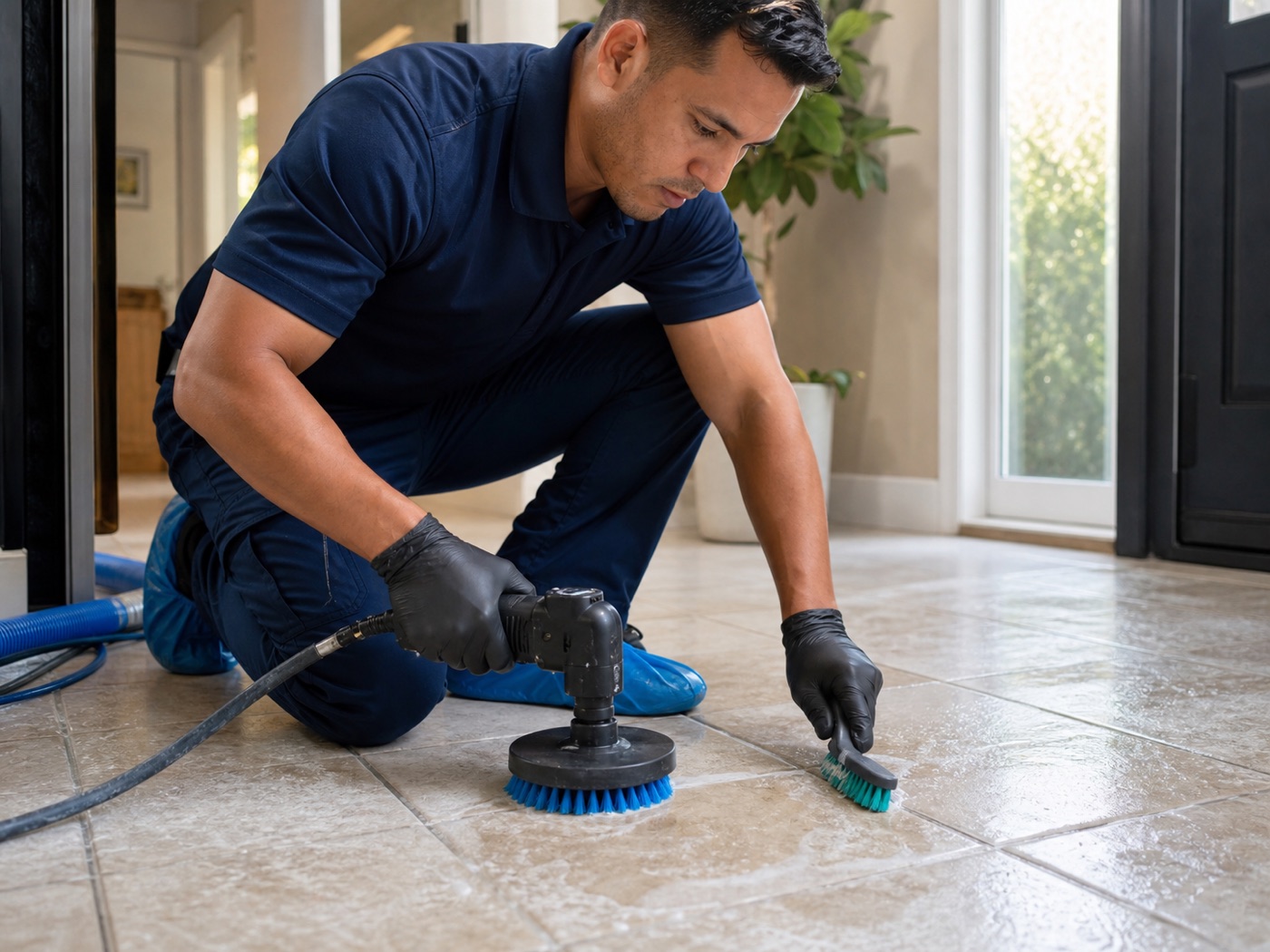
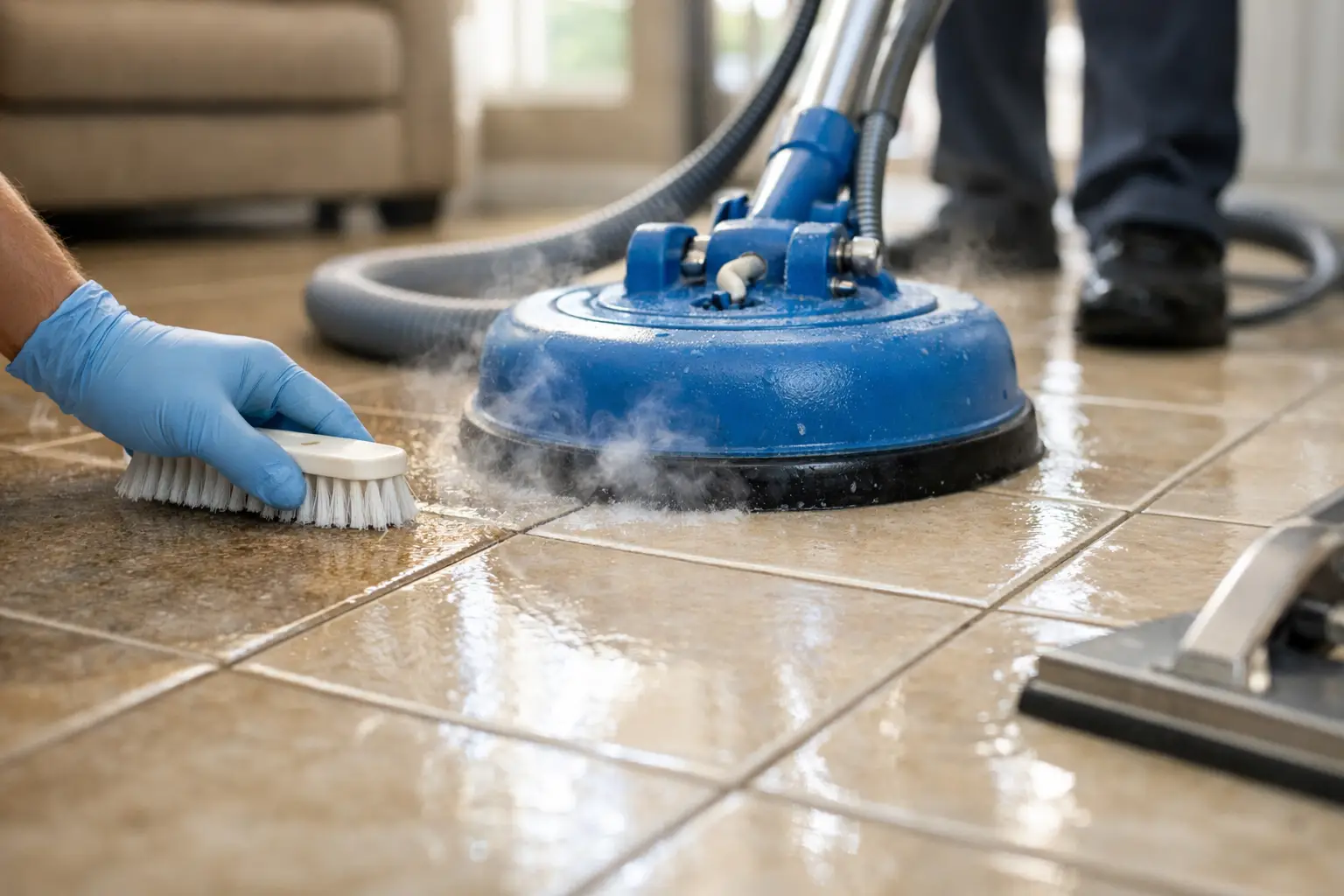
Grout in a historic entry is its own project. Two centuries of foot traffic drives soil deep into porous joints, and previous owners have often sealed or painted over it. Proper tile and grout work on a floor like this is slower and gentler than the same job in a modern kitchen, and the results are frequently dramatic because nobody has seen the original colors in decades.
The Crawlspace Is Usually the Real Story
The most common complaint in these houses is a musty smell on the first floor that comes back within a week or two of a thorough cleaning. Owners reasonably conclude the cleaning did not work.
Almost always, it did work — and then the source refilled it. Portsmouth's water table is high, crawlspaces in Olde Towne are frequently damp, and a floor system sitting over saturated ground stays humid regardless of what happens on the carpet above. Moisture rises through the assembly, and the organic material in the flooring, subfloor, and framing does the rest.
The diagnostic pattern is recognizable: the smell is worse in warm weather, worse in rooms over the crawlspace, and strongest near exterior walls and floor edges. When those three line up, cleaning the carpet again is not the answer. Ground vapor barriers, drainage, gutter and grading corrections, and crawlspace ventilation are — and that is a different trade than ours.
A cleaner who keeps selling you cleanings against that pattern is not helping you. The honest version is the same one that applies to any odor problem: find the source, or accept that you are treating a symptom on a schedule.
Rugs, Runners, and the Things That Came With the House
Houses of this age tend to accumulate textiles the way they accumulate paint layers. Wool orientals in the dining room, a stair runner that has been down since somebody's grandmother, hall runners protecting the most-walked boards, and upholstery on frames that predate synthetic anything.
Wool is the material to slow down for. It is a protein fiber, which means it reacts to high pH, to heat, and to prolonged moisture in ways nylon does not. Alkaline products can yellow or damage it, hot water can felt it, and older dyes may not be fully set — a rug that has been on a floor for eighty years has usually never been wet since it was made, and nobody knows what its dyes will do until someone tests a corner.
That testing step is not optional and it is not a formality. It is the difference between a beautifully cleaned rug and a permanently bled one, and there is no fixing the second outcome.
There is also a category we will decline to clean in place: fragile foundations, silk highlights, significant existing damage, or dyes that fail a test. Those belong with a rug specialist who has a proper wash floor and can control the process in ways nobody can control on a customer's living room floor. Saying so costs us the job, which is the correct trade against ruining something that cannot be replaced. The same restraint applies to old upholstery, where the frame and fill matter as much as the fabric.
What Not to Do to a Historic Floor
A short list, drawn from the mistakes that are expensive to undo.
- Do not apply commercial floor finish or wax to historic wood or unglazed tile. Stripping it later is far more invasive than the original problem.
- Do not use acidic cleaners on any stone or unglazed tile without knowing the material.
- Do not seal grout or porous tile that sits over a damp crawlspace — you can trap moisture in the assembly.
- Do not let anyone put a rotary machine with an aggressive pad on original tile without testing first.
- Do not saturate carpet that lies over old wood, however soiled it looks.
- Do not remove original material because it is easier than cleaning it. That decision is permanent.
The first item is worth expanding on. Stripping and waxing is a genuinely good system for commercial resilient flooring, and it is completely wrong for a historic house. Some homes in Olde Towne do have a later resilient floor somewhere — a mid-century kitchen or a service area — and that floor is a legitimate candidate for the process. Everything original is not.
The Short Version
The floors in Olde Towne have already survived everything the last two centuries threw at them. What they need now is identification before treatment, considerably less water than a modern floor, honesty about whether a recurring smell is coming from below rather than above, and a firm no to any process designed for a commercial building.
All City Carpet Cleaning And Building Solutions works throughout Portsmouth, and Carlton's seventeen years in this market include a fair number of houses older than the company's oldest customer. If you are not sure what you have, the walkthrough is the right place to start.