
It happens every year in almost every house with forced-air heat: the first genuinely cold night arrives, the thermostat clicks over to heat for the first time in months, and within a few minutes there's a distinct, slightly acrid smell moving through the vents.
It is a completely normal, expected part of the seasonal transition, and it is also a useful reminder of something most households do not think about: everything that smell represents is landing somewhere in the house, and carpet catches more of it than any other surface.
What Is Actually Happening at Startup
Through the spring and summer, a forced-air heating system's heat exchanger and nearby ductwork sit unused while the cooling side of the system does all the work. Dust settles on those idle components the same way it settles on any surface in a house that isn't disturbed for months.
When the system fires up for the first sustained heating cycle of the season, that accumulated dust burns off the hot surfaces of the heat exchanger, producing the smell households notice almost immediately. It typically clears within the first hour or two of running as the surface dust is consumed, and it is generally not a cause for concern on its own — though a persistent or strengthening smell beyond that window is worth having a technician check.
The dust that does not simply burn off gets pushed through the ductwork and out into every room the system serves, distributed by the same air handler that delivers the heat itself. It is not a large quantity relative to normal household dust, but it is a genuine, concentrated release compared to any single day the rest of the year.
Why Carpet Catches More of It Than Hard Flooring
Airborne dust settles on every surface in a room, but it does not settle evenly in terms of how much stays put. A hard floor has a smooth surface that dust rests on top of, easily disturbed and moved by the next person walking through or the next pass of a broom.
Carpet fiber has vastly more surface area per square foot than a hard floor, and its texture — especially in a cut-pile or plush carpet — gives dust particles more places to settle into and stay, out of the reach of casual foot traffic. This is the same basic mechanism that makes carpet function as an air filter of sorts throughout the year, trapping particulates rather than letting them stay airborne indefinitely, which is generally a benefit for air quality as long as the carpet itself gets cleaned regularly to remove what it has trapped.
A household running forced-air heat for the first time each fall is effectively giving its carpet a fresh, concentrated dose of ductwork dust in a way that does not happen at any other point in the year, which is why the start of heating season deserves its own specific response rather than just being folded into general year-round vacuuming.
The Filter Connection
An HVAC filter's job is to catch exactly this kind of particulate before it gets distributed through the house, and a filter that is old, clogged, or simply not rated for fine particulate does a poor job of it right when the seasonal dust release is at its heaviest.
Changing the filter just before the first sustained cold stretch, rather than waiting for the routine seasonal reminder a few weeks into heating season, gives the system its best filtration exactly when the dust load is highest. It is a small, inexpensive habit that meaningfully reduces how much of that startup dust ever reaches the carpet in the first place.
For households with allergy sensitivities, pairing a filter upgrade — moving to a higher MERV rating the system can handle — with the seasonal transition addresses both the airborne and the settled sides of the same seasonal dust problem.
Vacuuming Technique for the Startup Window
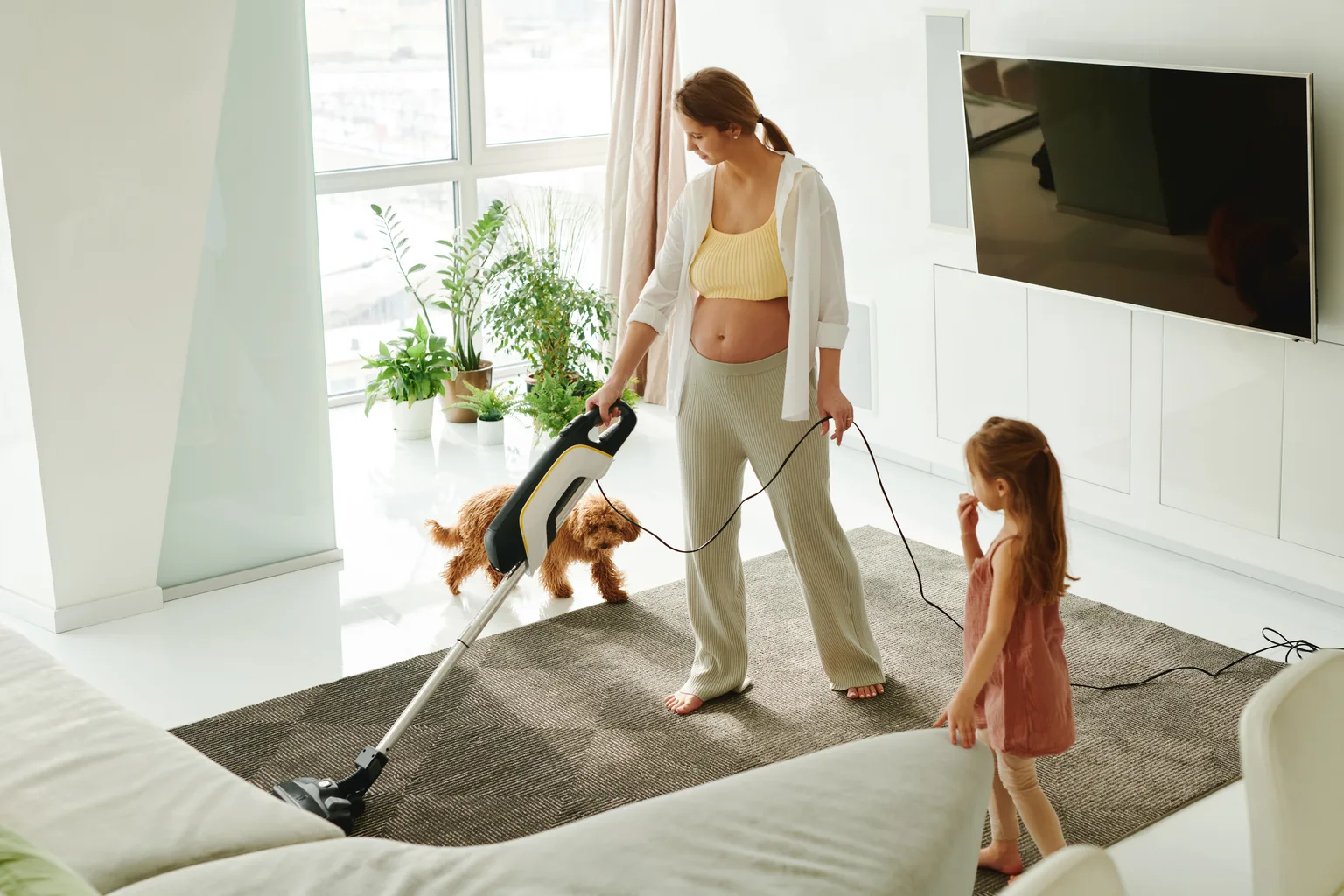
A regular quick vacuum pass is not quite enough to catch freshly settled dust the way it needs to be caught in this specific window. Slow, overlapping passes with a vacuum that has good filtration — ideally sealed HEPA, so it is not simply redistributing fine dust back into the air — do meaningfully better than a fast pass with a standard vacuum.
Paying extra attention to rooms near supply vents, where the airflow and therefore the dust concentration is highest, makes sense during this window specifically, even if those rooms do not normally get special treatment the rest of the year. A bedroom or home office positioned near a main supply trunk often needs this extra pass more than a room served by a smaller branch line.
Bedding and mattresses deserve a pass during this same window too, since airborne dust from the HVAC system settles on them the same way it does on carpet, and a household already thinking about seasonal dust is well positioned to address both at once.
Vents and Registers Need Attention Too
Floor-mounted supply registers, common in older Hampton Roads homes, sit directly at carpet level and act as a concentrated dust source right where carpet fiber is closest and most receptive to catching it.
Vacuuming the register grille itself and the carpet immediately surrounding it, rather than just the open floor area, catches dust that accumulates specifically at that boundary. Removing the register cover periodically, where the system design allows it safely, and vacuuming just inside the duct opening addresses buildup that a standard floor vacuum pass never reaches at all.
Return air vents deserve their own look as well, though for a different reason — dust and pet hair get pulled toward a return vent by airflow rather than deposited near it, so the carpet in front of a return vent often shows a visible line of accumulated debris that is worth a slower, more deliberate vacuum pass than the rest of the room.
Duct Cleaning as a Complementary Step
For a household that has not had ductwork professionally cleaned in several years, or one moving into an older home with an unknown maintenance history, professional duct cleaning ahead of heating season addresses the source of the dust rather than just its aftermath in the carpet.
It is not something every household needs annually, but it is worth considering on a longer cycle — every few years — particularly for a system that has never had it done, since duct cleaning and carpet cleaning genuinely complement each other: one reduces what gets distributed through the house, and the other removes what has already settled, and scheduling professional carpet cleaning around the same window makes the fall reset a single coordinated effort rather than two separate ones.
Pairing With a Professional Cleaning
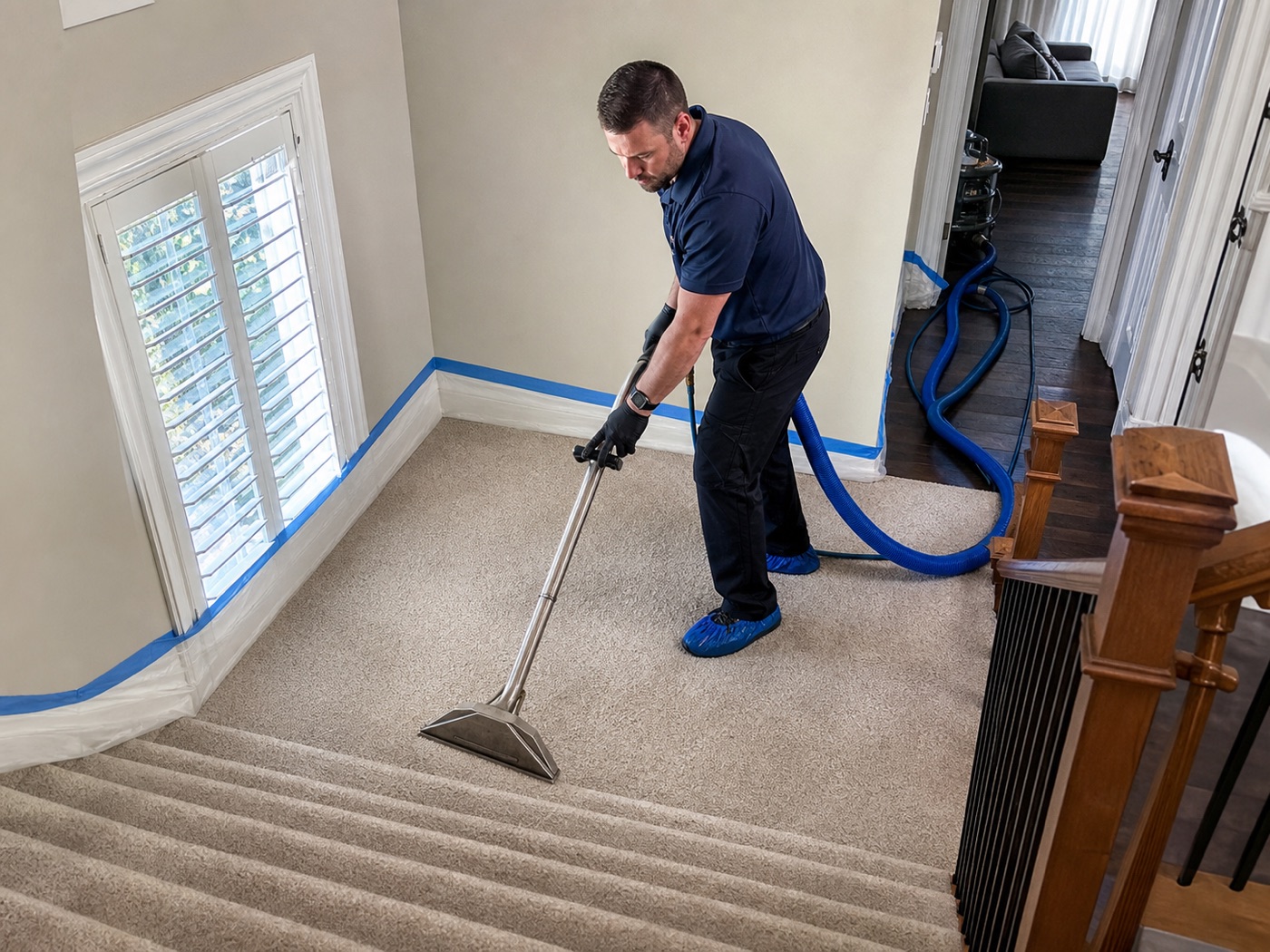
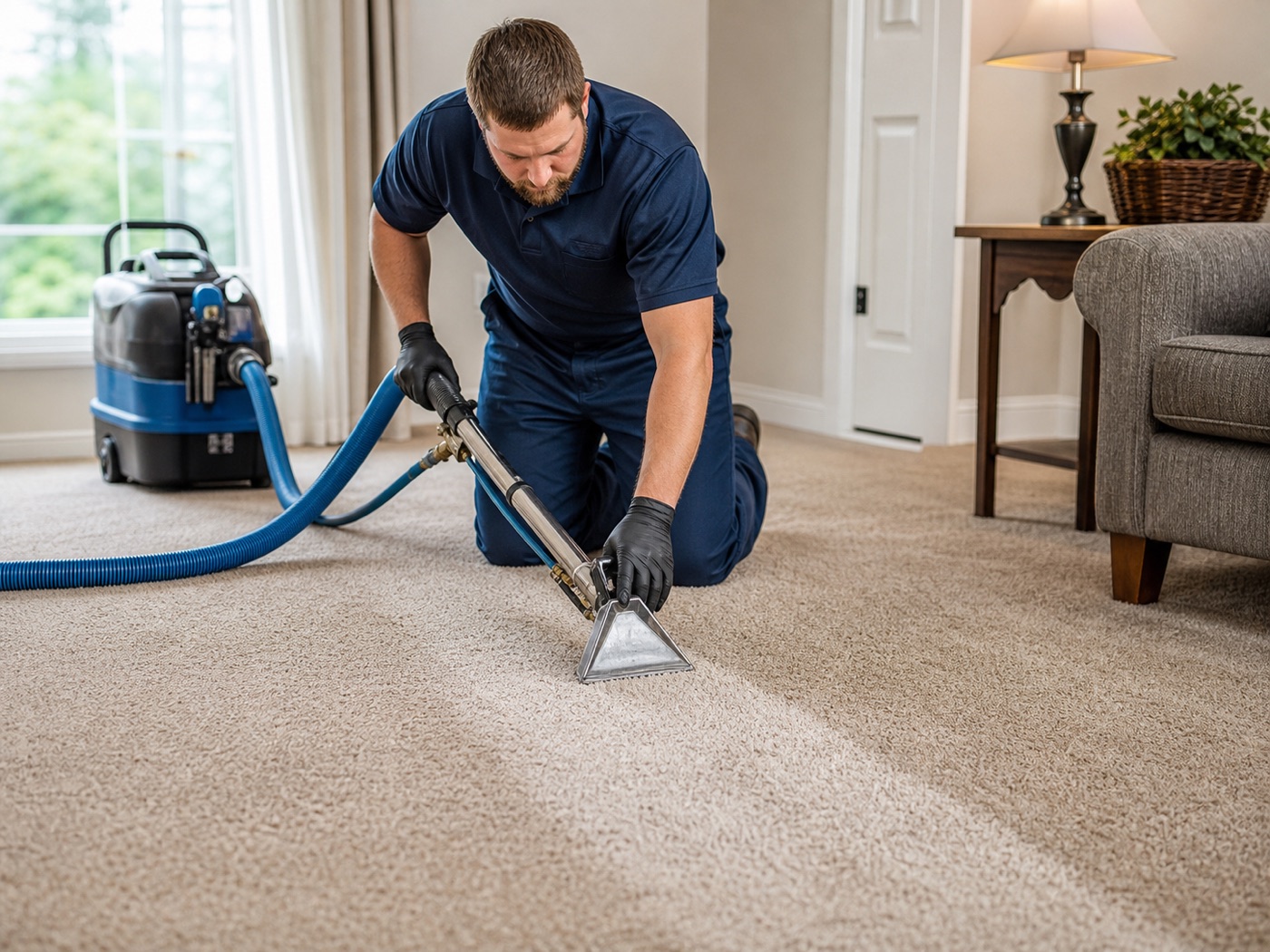
For households that clean carpet on a seasonal schedule already, timing one of those cleanings to land right after the first few weeks of heating season — after the bulk of the startup dust release has happened but before it has had months to compound with everything else winter brings — is an efficient use of an already-planned appointment.
It resets the carpet for the season ahead, right as the house transitions into the closed-windows stretch of the year where whatever is in the carpet stays there longer with less fresh air exchange to help dilute it. Households that make this a consistent annual habit tend to notice fewer allergy flare-ups and a generally fresher-feeling house through the coldest months, when everyone is spending the most time indoors anyway.
All City Carpet Cleaning And Building Solutions helps households across Virginia Beach, Norfolk, Chesapeake, Suffolk, Hampton, Portsmouth, and Smithfield time their fall cleaning around the heating season transition, with pricing published up front.
It is a small, predictable window on the calendar every single year, which makes it one of the easier seasonal habits to actually stick with once a household has done it once and noticed the difference.