Households replacing carpet ahead of a busy fall and winter — guests, holiday hosting, kids back in a full sports and school schedule — tend to shop primarily on look and price, which is understandable but leaves out the two factors that determine how well the carpet actually survives the next several years: fiber type and color.
Two carpets that look nearly identical on a showroom sample can behave in completely different ways after a year of real traffic, and understanding the difference before buying saves a lot of frustration later.
Fiber Type Is the Real Variable
Nylon is the standard choice for heavy-traffic residential carpet, and for good reason. It resists crushing and matting better than the alternatives, holds its twist under repeated foot traffic, and responds predictably to professional cleaning cycle after cycle. Solution-dyed nylon, where color is added during fiber manufacturing rather than applied afterward, adds meaningfully better stain and fade resistance for a modest cost increase over standard nylon.
Polyester carpet has improved significantly in recent years and offers excellent stain resistance and a soft feel at a lower price point, but it does not hold up to heavy traffic as well as nylon over time — the fiber tends to crush and mat faster under sustained foot traffic, even though it resists staining better in the short term.
Triexta, a newer fiber category, splits the difference reasonably well, offering strong stain resistance closer to polyester with durability closer to nylon, though it is generally priced above both. For a household weighing options primarily on heavy-traffic durability, nylon remains the safer default; for one prioritizing stain resistance in a moderate-traffic area, polyester or triexta are reasonable choices.
Density Matters as Much as Fiber Type
A carpet's face weight and density — how much fiber is packed into each square inch and how tightly the tufts are set — affects durability at least as much as which fiber it is made from, and it is easy to overlook on a showroom floor where samples are small and traffic patterns are not visible.
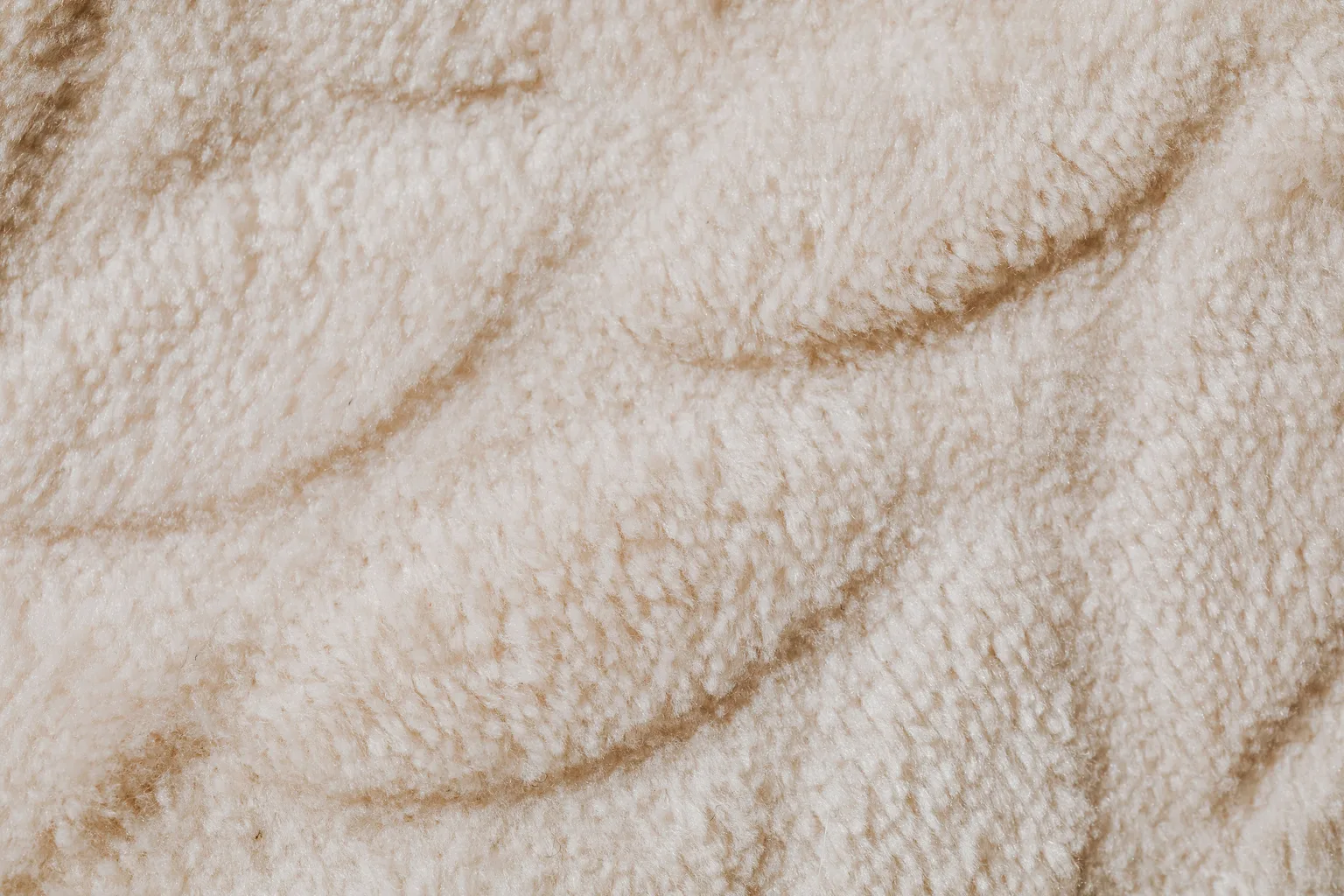
A dense, tightly tufted carpet resists matting because individual fibers support each other under pressure. A low-density carpet, even in a premium fiber, crushes faster because there is more space between tufts for them to bend and lean under foot traffic. The bend test — pressing a carpet sample into a curve and seeing how much backing shows through — is a quick, useful showroom check for density that most shoppers never think to do.
Color and Pattern Strategy for Hiding Real-World Soil
Very light, solid-colored carpet shows every spill and every trace of tracked-in soil immediately, which makes it a poor match for a heavy-traffic household despite how clean and bright it looks in a showroom. Very dark, solid-colored carpet has the opposite problem — it hides wet spills reasonably well but shows dust, lint, and pet hair constantly, which can make a dark carpet look surprisingly dingy between cleanings even when it is not actually dirty.
The sweet spot for most heavy-traffic homes is a mid-tone color with subtle variation built in — a twist, a fleck, or a heathered blend of two or three close shades rather than one flat, uniform color. That variation breaks up the visual field enough that everyday soil, foot traffic patterns, and pet hair blend into the existing texture instead of standing out against a flat background.
Households choosing carpet specifically for a family room or a room pets use heavily should weight this decision even more heavily toward mid-tone, textured options, since that is exactly the room where the gap between a well-chosen and poorly-chosen color shows up fastest.
Padding Is Not an Afterthought
Buyers routinely treat padding as a minor add-on decided after the carpet itself, when in reality padding quality affects both comfort and how well the carpet above it survives heavy traffic over the years.
A thin or low-density pad allows the carpet to compress all the way to the subfloor with every footstep, which accelerates matting regardless of how good the fiber above it is — the carpet is essentially absorbing impact it was not designed to take on its own. A denser, higher-quality pad shares that load and extends the life of even a mid-range carpet meaningfully.
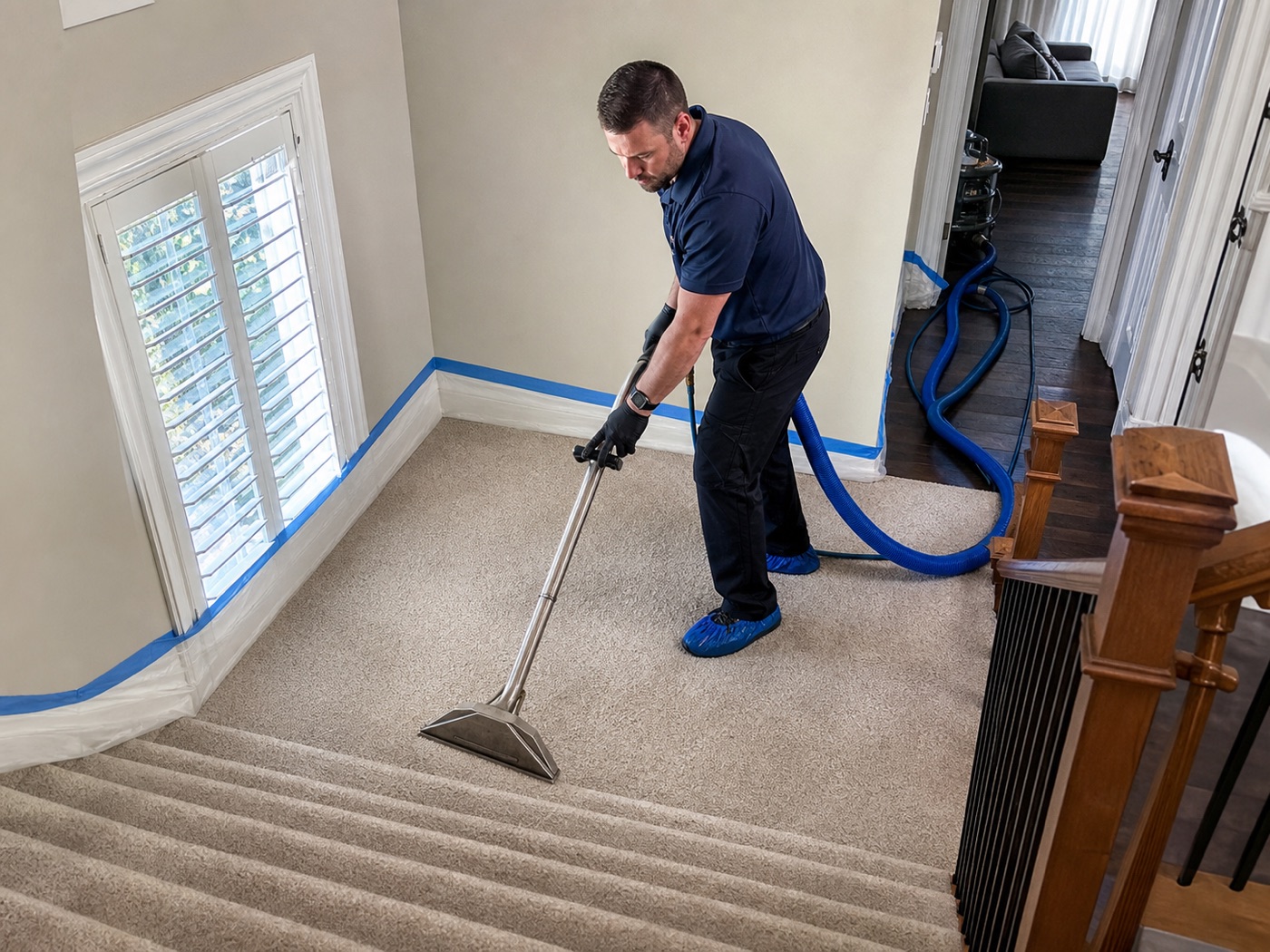
For stairs specifically, pad quality matters even more than in open rooms, since stairs already take concentrated wear on the nose of each tread — pairing worn or thin pad with that concentrated traffic accelerates the problem noticeably.
Room-by-Room Fiber Decisions
Households replacing carpet often treat it as a single whole-house decision, but the right fiber and color choice genuinely varies by room, and it is worth breaking the decision down that way rather than picking one carpet for everywhere.
A family room or a room pets spend most of their time in deserves the highest-durability nylon and the most soil-hiding color strategy in the house, since it is going to take the most punishment. A formal living room or a guest bedroom that sees occasional light use can reasonably use a softer, lower-durability fiber, since the tradeoff between comfort and wear resistance shifts when traffic is genuinely lighter. Stairs and hallways, given how disproportionately they wear regardless of room type, deserve the same heavy-traffic specification as the busiest room in the house.
This room-by-room approach also helps manage budget, since it concentrates spending on the areas where a premium fiber actually pays for itself in extended life, rather than spreading an even budget across rooms with very different traffic realities and effectively overpaying for durability nobody in the house will ever put to the test.
What a Cleaner Can Tell You Before You Buy
A professional cleaner who has serviced a wide range of carpet types across hundreds of homes has a genuinely useful perspective that most carpet retailers do not: firsthand knowledge of which fibers and constructions actually hold up over years of real cleanings, not just how they perform on a showroom sample or a manufacturer's lab test.
It is worth asking directly before a purchase, particularly for a household that has had a frustrating experience with a previous carpet matting, staining, or wearing faster than expected. That kind of practical field knowledge often surfaces details a showroom sales conversation does not, since a salesperson's incentive is closing the sale rather than steering a buyer toward whichever option will genuinely hold up best in that specific household.
Budgeting for the Whole System, Not Just the Carpet
A household weighing a carpet budget is best served thinking about fiber, density, color, and padding as one connected system rather than four separate line-item decisions made independently against a fixed total budget.
A slightly lower-priced but well-chosen mid-tone nylon carpet paired with a good pad often outperforms a more expensive carpet paired with builder-grade padding to save money, and it typically costs about the same in total. The savings from cutting corners on padding rarely show up as savings once the carpet needs replacing years earlier than it should have, which is the same lesson that shows up repeatedly across every category of home maintenance where a cheaper upfront choice quietly shortens the life of everything built on top of it.
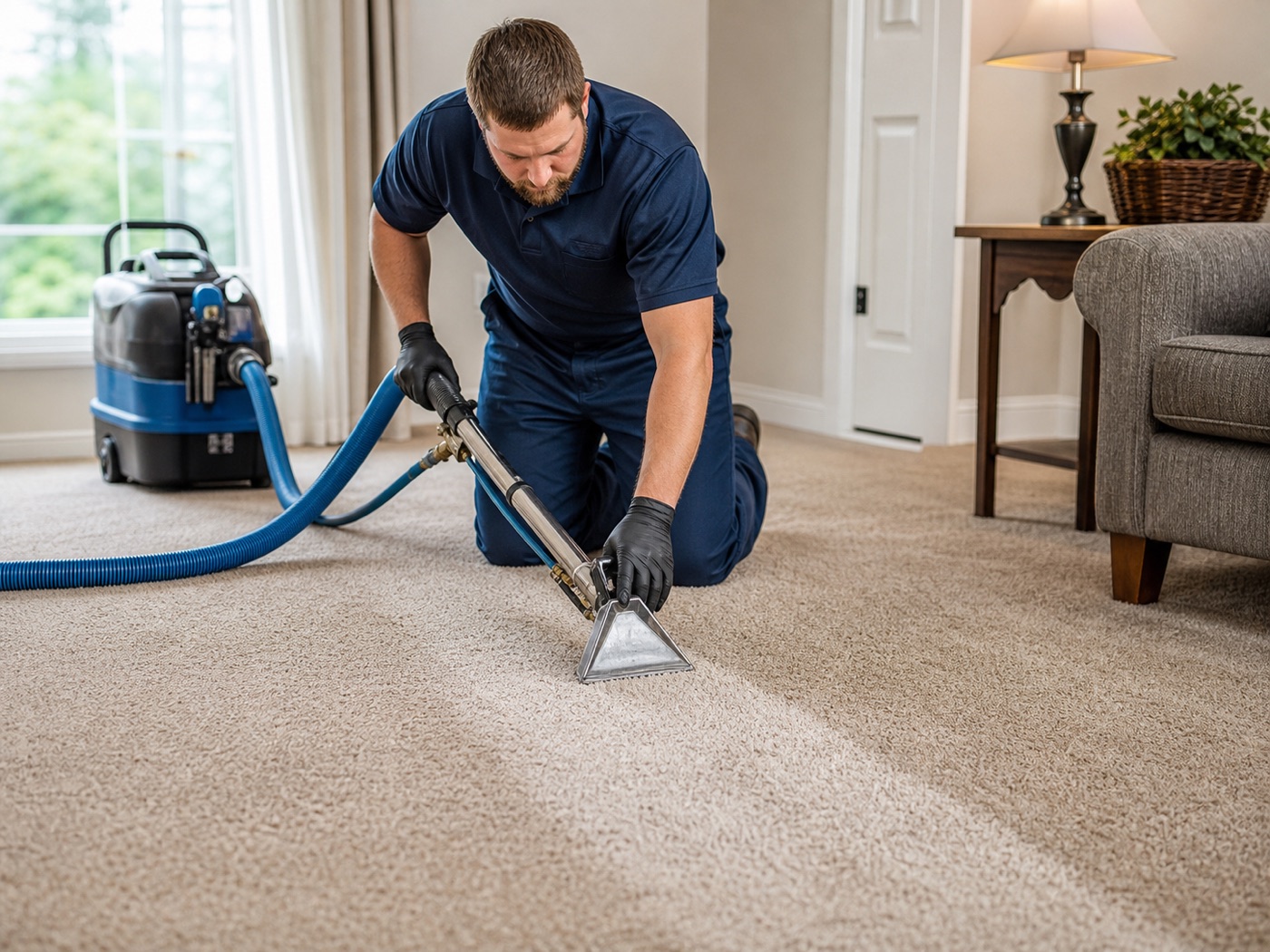
Whatever carpet a household ultimately chooses, keeping up with regular professional cleaning is what protects that investment long-term, regardless of how well it was chosen on day one — even the best fiber and pad combination eventually shows premature wear without a consistent maintenance schedule behind it.
All City Carpet Cleaning And Building Solutions helps homeowners across Virginia Beach, Norfolk, Chesapeake, Suffolk, Hampton, Portsmouth, and Smithfield get the most life out of whatever carpet they choose, with pricing published for the ongoing maintenance side of that investment.
That combination of an informed choice up front and a consistent maintenance plan afterward is what actually determines whether new carpet still looks respectable in year eight or is already showing its age by year three.